

The council have decided that it is now safe for people to visit the Tarn again after the recent bad weather and flooding. It is still very slippery and they have posted notices warning about the dangers of being too close to the edge of the Lake.
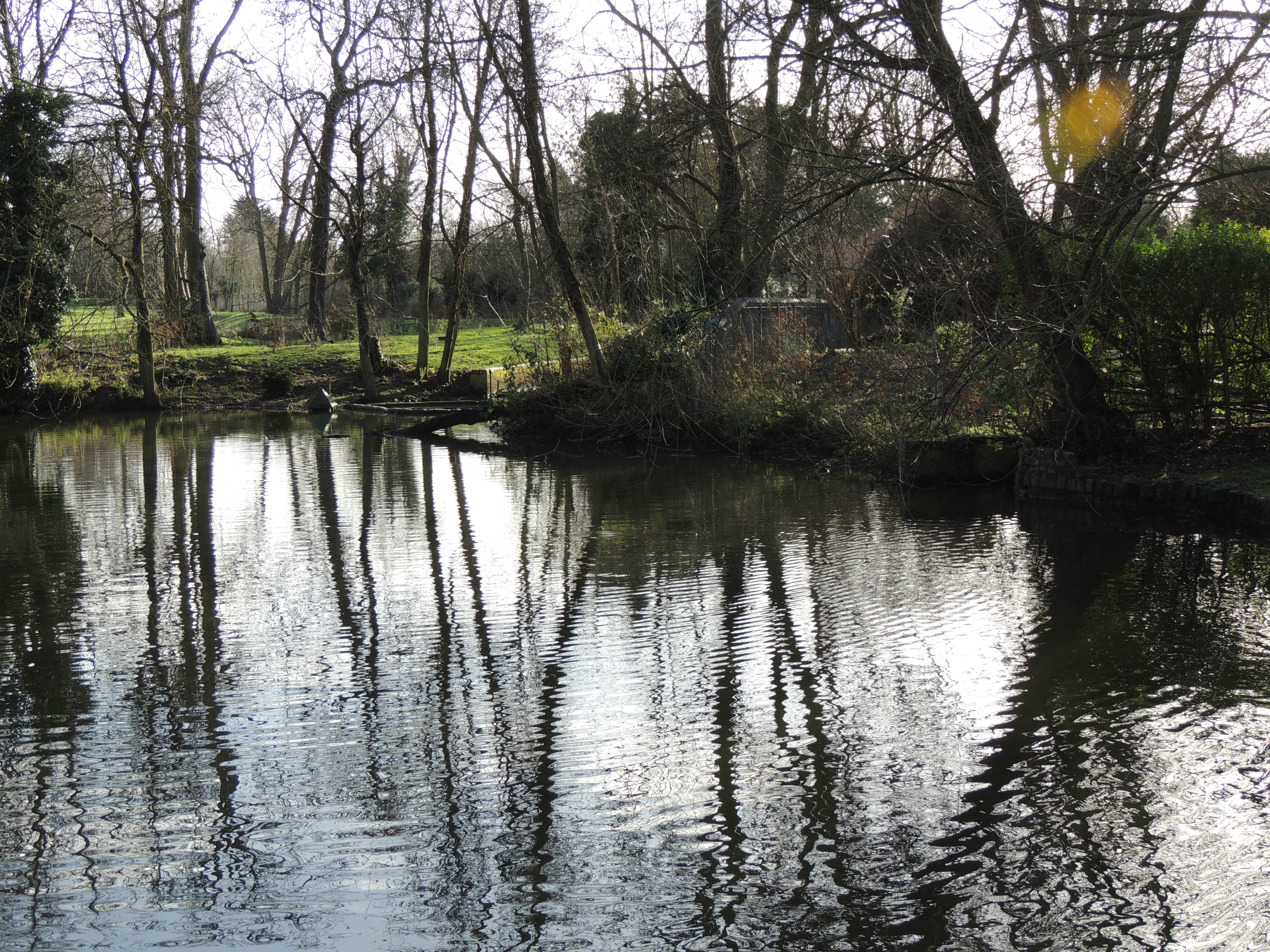
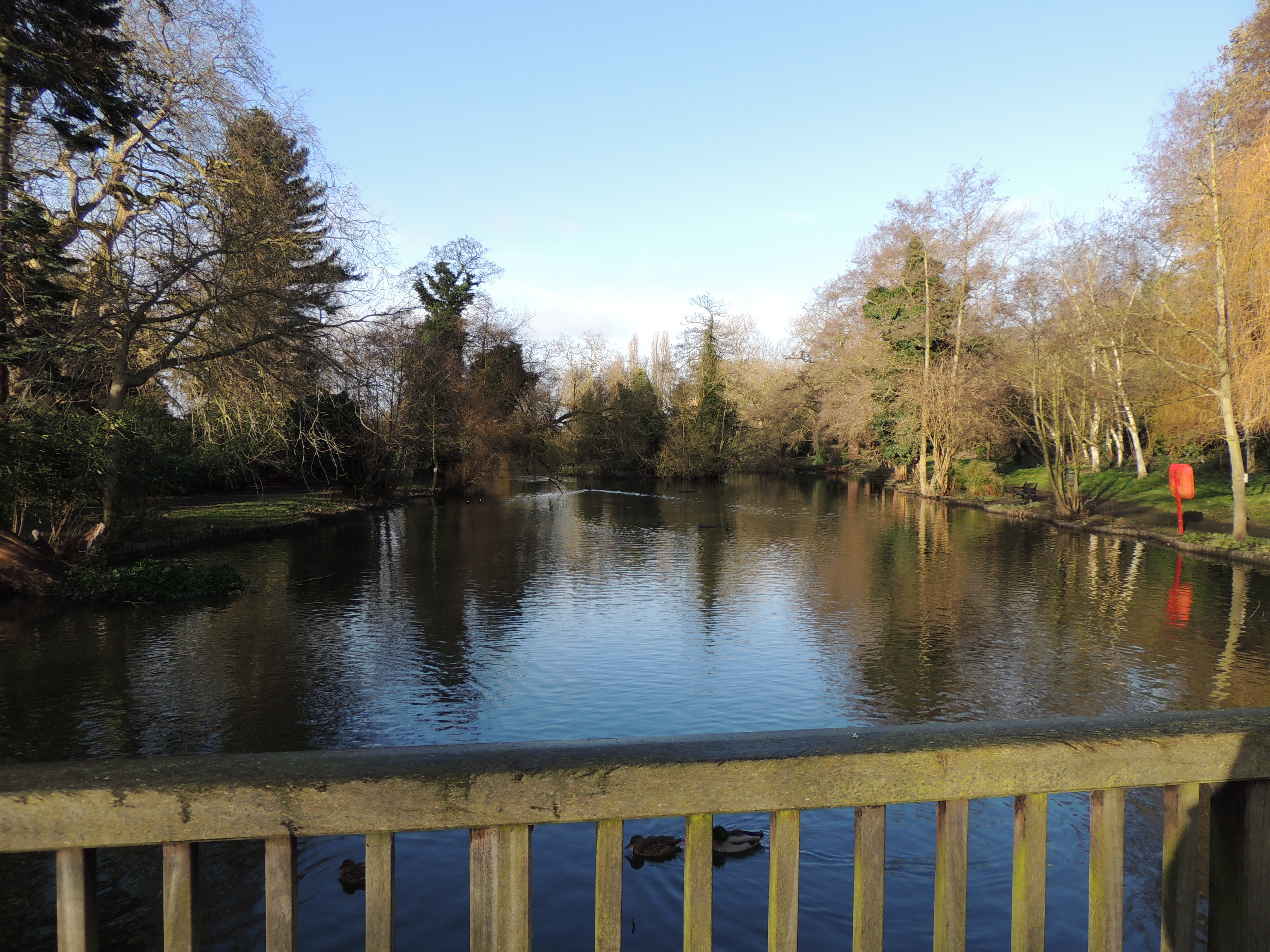
It was fairly quiet on my first visit of 2014 with only a few birds present. It will take a few visits to judge if the weather has affected the populations here. It was good to be able to get back and take stock of this important area in my patch.
However some species had already turned their minds to the coming spring. This Ring-necked Parakeet inspecting a prospective nest hole

The female Blackcap continues to put in appearances at the feeder but it is now 6 weeks since I last saw the Male, so he may not have survived the bad weather. It is only in recent years that this warbler has begun to winter in the UK in increasing numbers and so may be more vulnerable to extremes in weather.

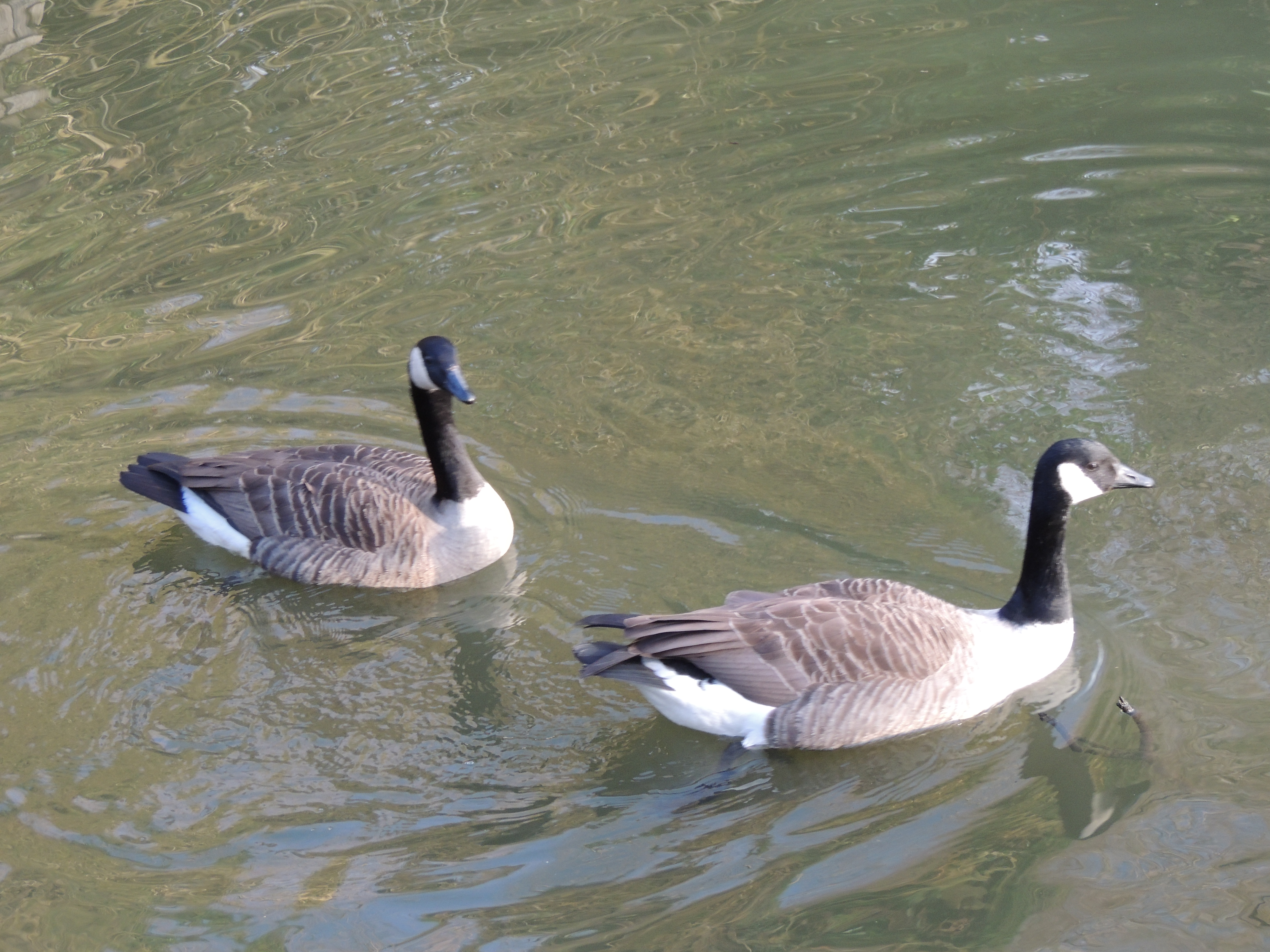
Canada Goose [sp] (Branta canadensis)
Mallard [sp] (Anas platyrhynchos)<
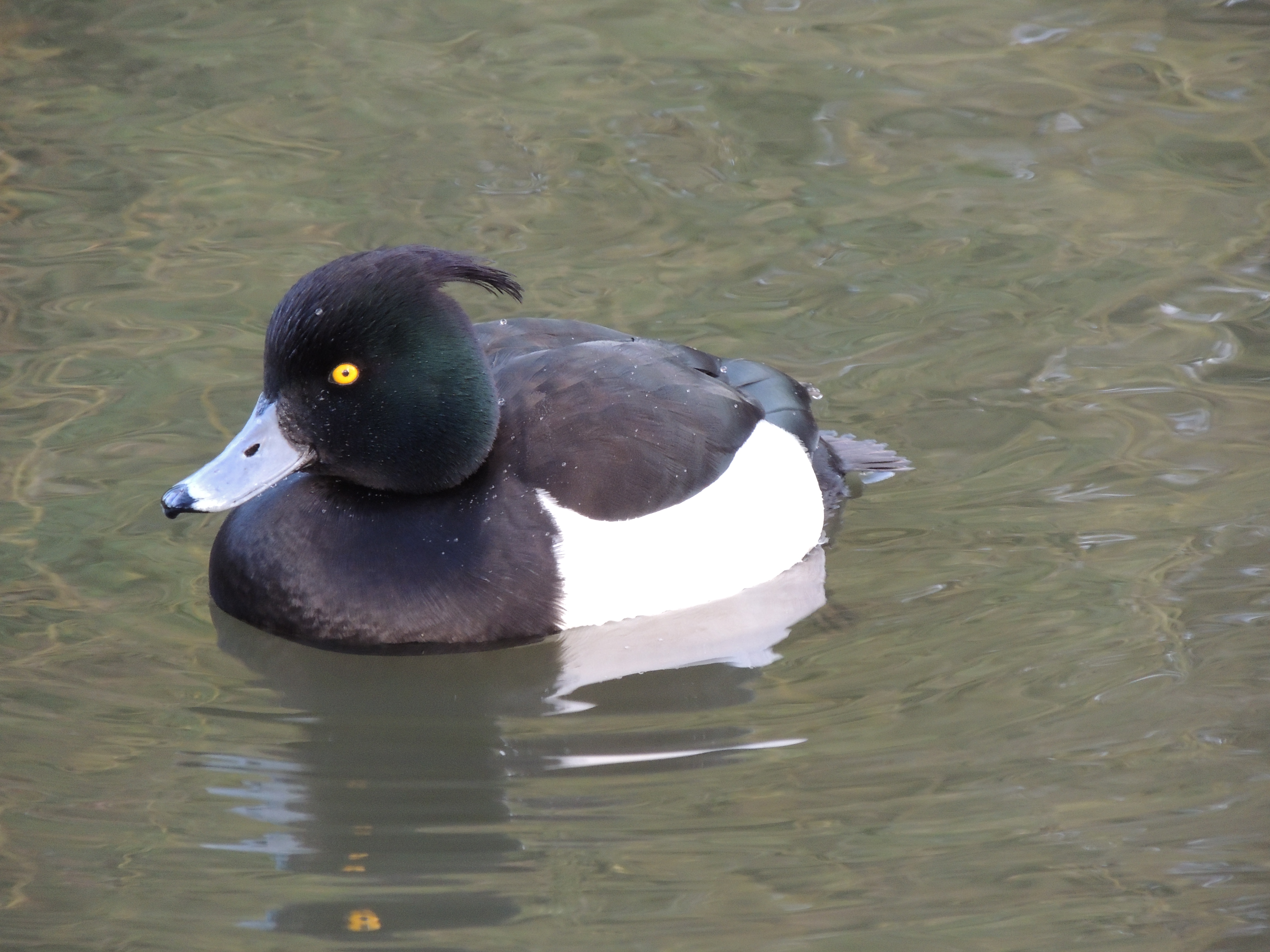
Tufted Duck (Aythya fuligula)
Common Moorhen [sp] (Gallinula chloropus)
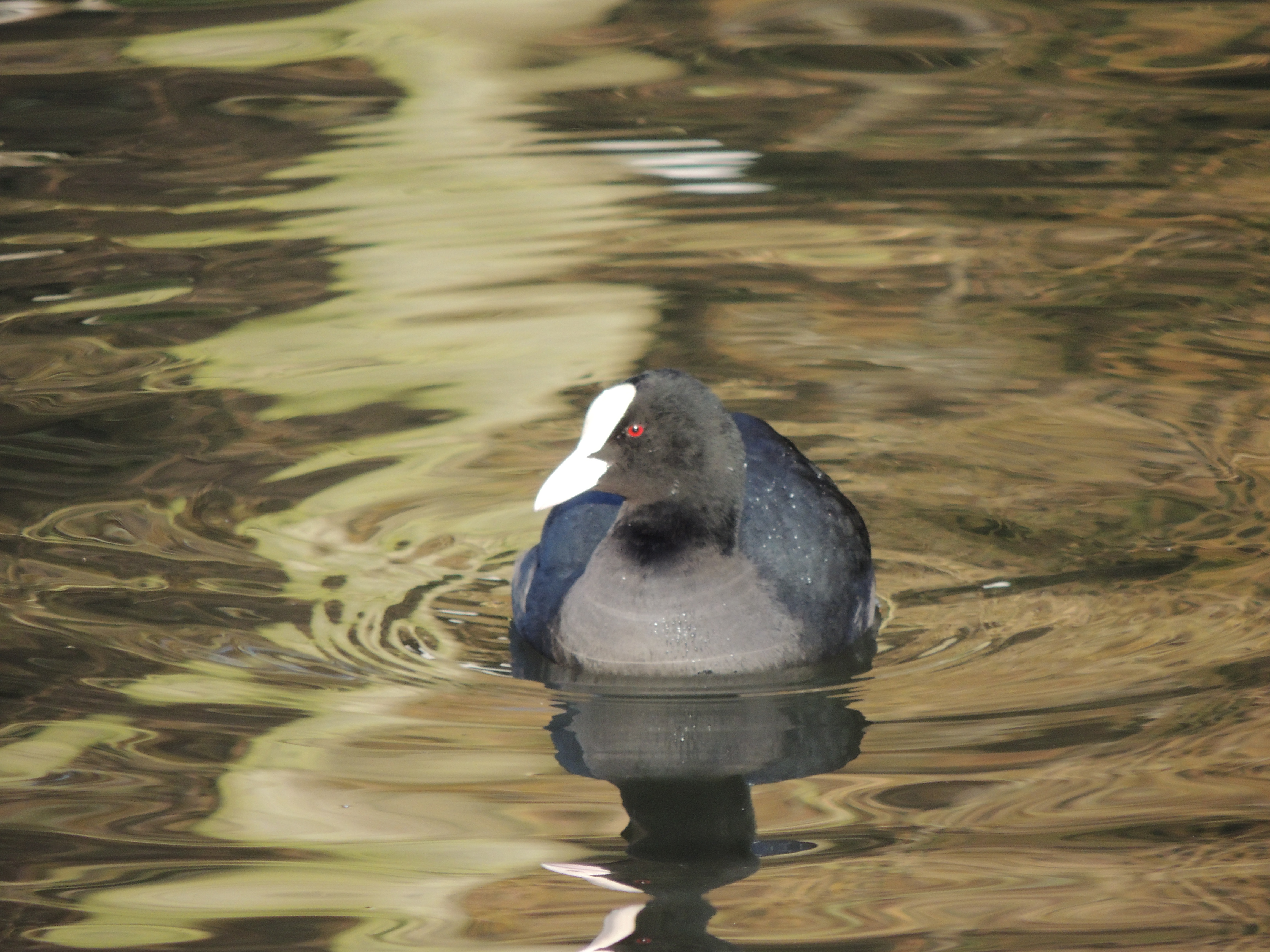
Eurasian Coot [sp] (Fulica atra)
Black-headed Gull (Chroicocephalus ridibundus)
Common Pigeon [sp] (Columba livia)
Common Wood Pigeon [sp] (Columba palumbus)
Rose-ringed Parakeet [sp] (Psittacula krameri)
Eurasian Magpie [sp] (Pica pica)
Western Jackdaw [sp] (Coloeus monedula)
Carrion Crow [sp] (Corvus corone)
Great Tit [sp] (Parus major)
Eurasian Blue Tit [sp] (Cyanistes caeruleus)
Eurasian Blackcap [sp] (Sylvia atricapilla)
European Robin [sp] (Erithacus rubecula)

 Pete's Favourite Things