


It is unclear when it started to develop but by 200 AD a substantial civilian settlement had developed around the legionary base. By the fourth century the military function of Corbridge had declined and many forts and bases were abandoned, but places such as Carlisle and Corbridge continued as civilian settlements. After the Romans left at the beginning of the fifth century the use of urban settlements began to decline as in the cultural vacuum that followed people returned to an agricultural rural based economy.
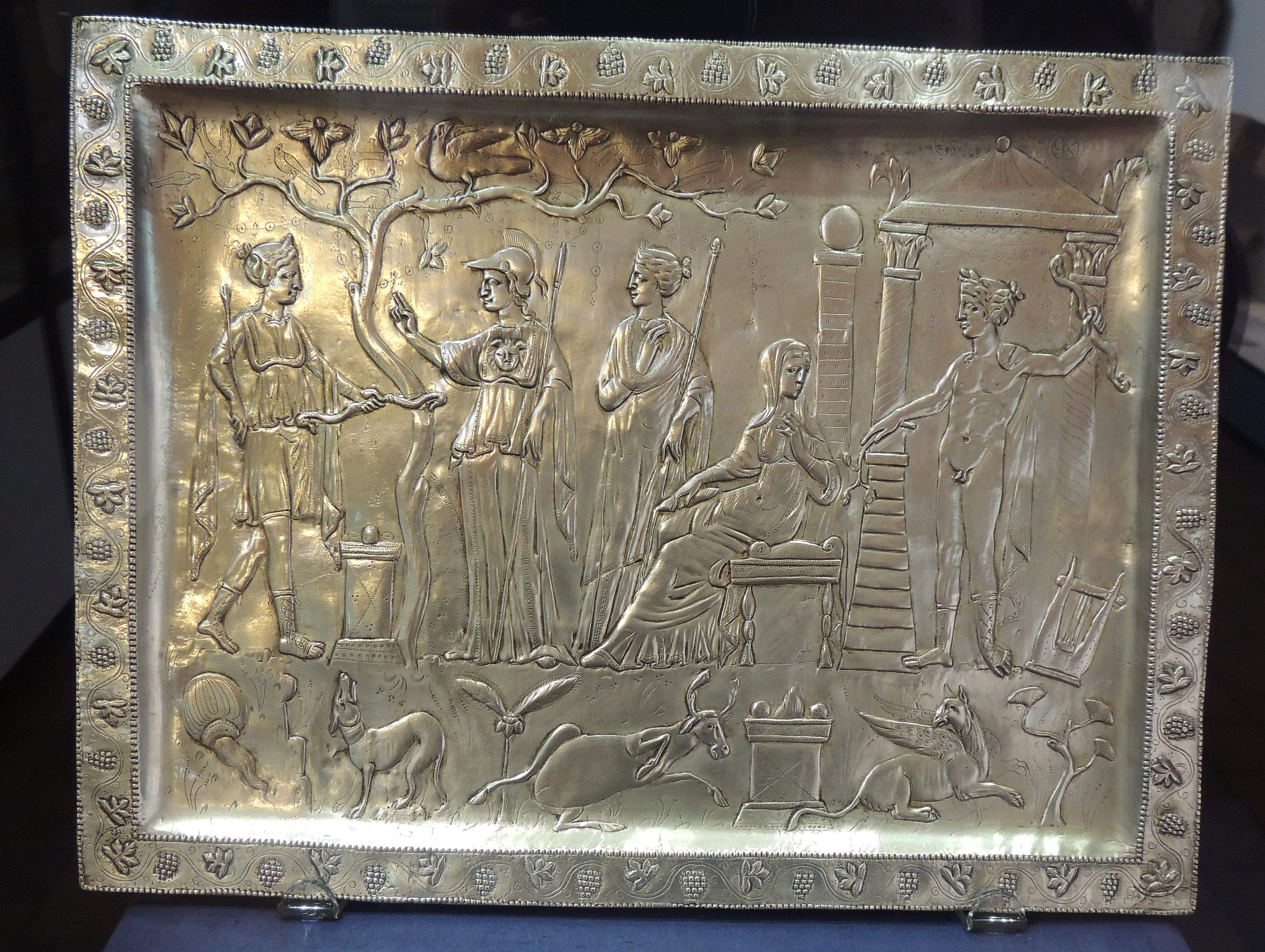


The later Saxon and subsequent medieval settlement was founded a mile east of the Roman town. There are records which show that the Roman site was known. Stone was used in later buildings including Hexham Abbey and a record shows that King John came to the site in 1201 on a ‘treasure hunting’ trip although it also reports that he found nothing but stone. More scientific records were made in the 16th and 18th centuries. The first proper excavations took place in 1906-14 initially under the be famous archaeologist, Leonard Wooley. Major excavations took place from 1947-74 and revealed much of what is visible today. A further excavation took place in 1980 before the building of the new Museum on the site and in recent years further excavations have continued to reveal new parts of the site.

 Pete's Favourite Things