
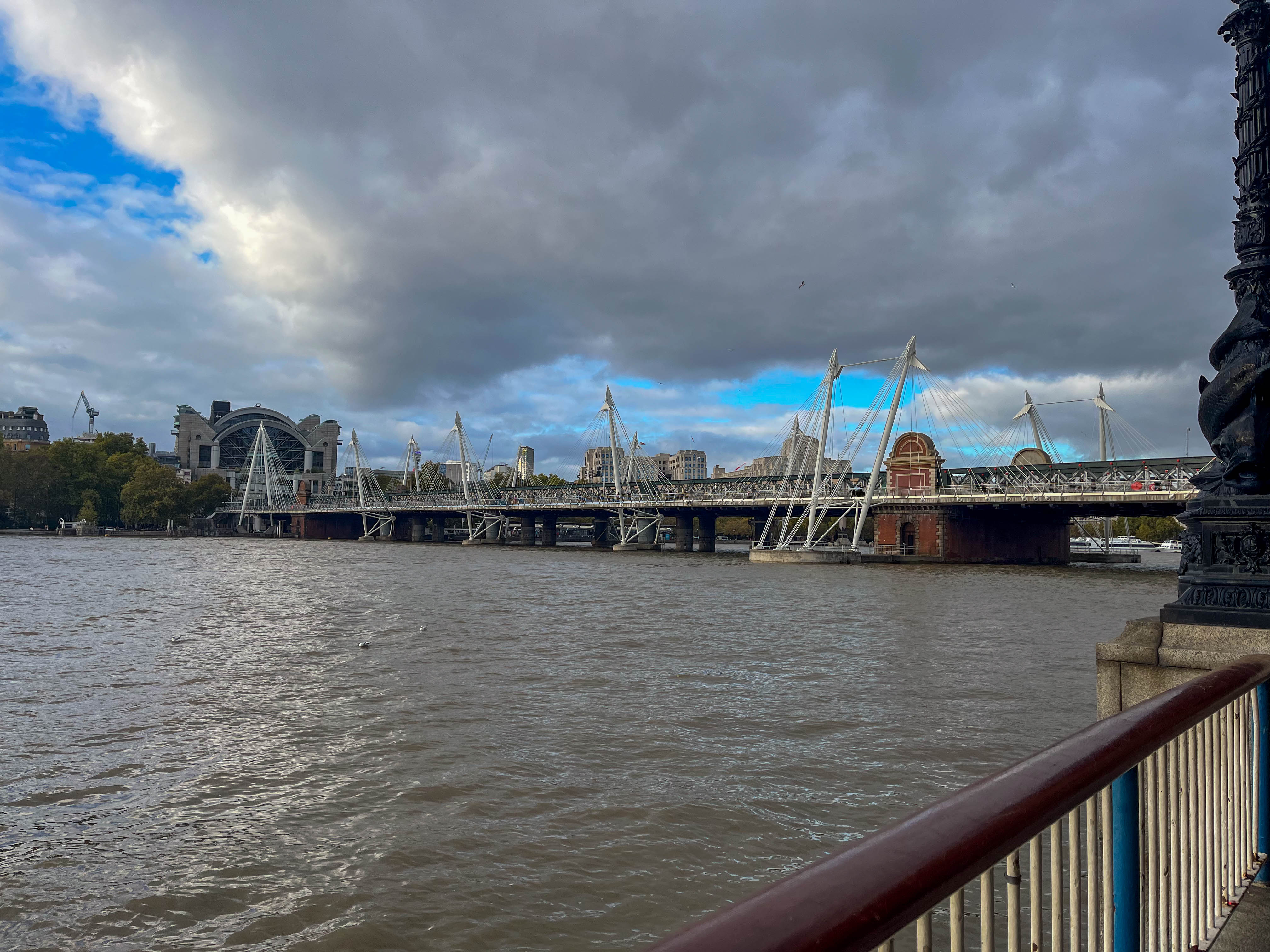
Continuing my walk along the Southbank, I start today at Hungerford Bridge.
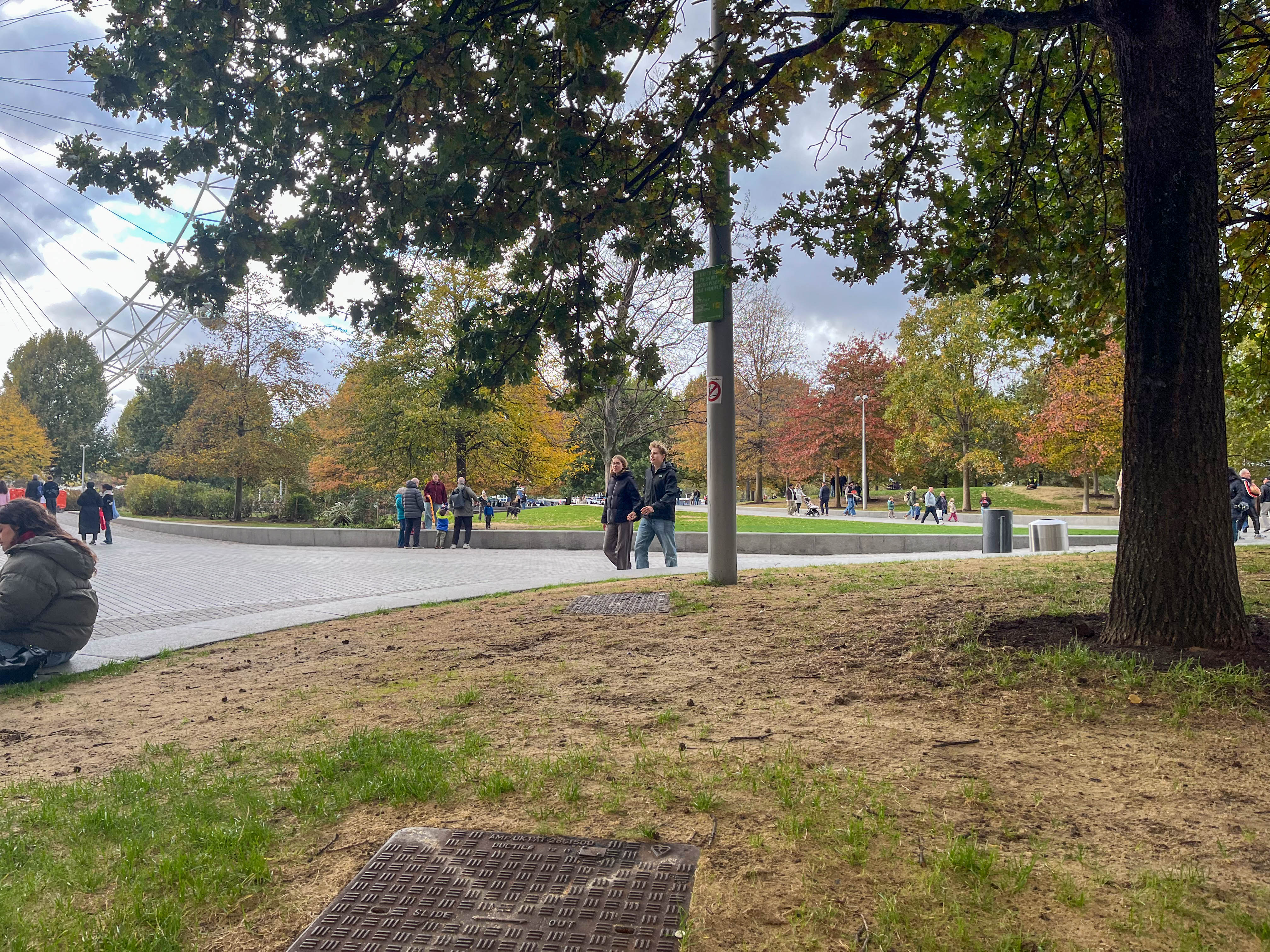
I soon come into Jubilee Gardens, a small park alongside the river. This was the site for the Festival of Britain’s Dome of Discovery in 1951. Once the festival was over it was used as a car park, before being transformed into a small park. It was renamed Jubilee Gardens and opened in 1977 by Queen Elizbeth II as pert of her Jubilee celebrations that year.
Next to the park and the river is the London Eye
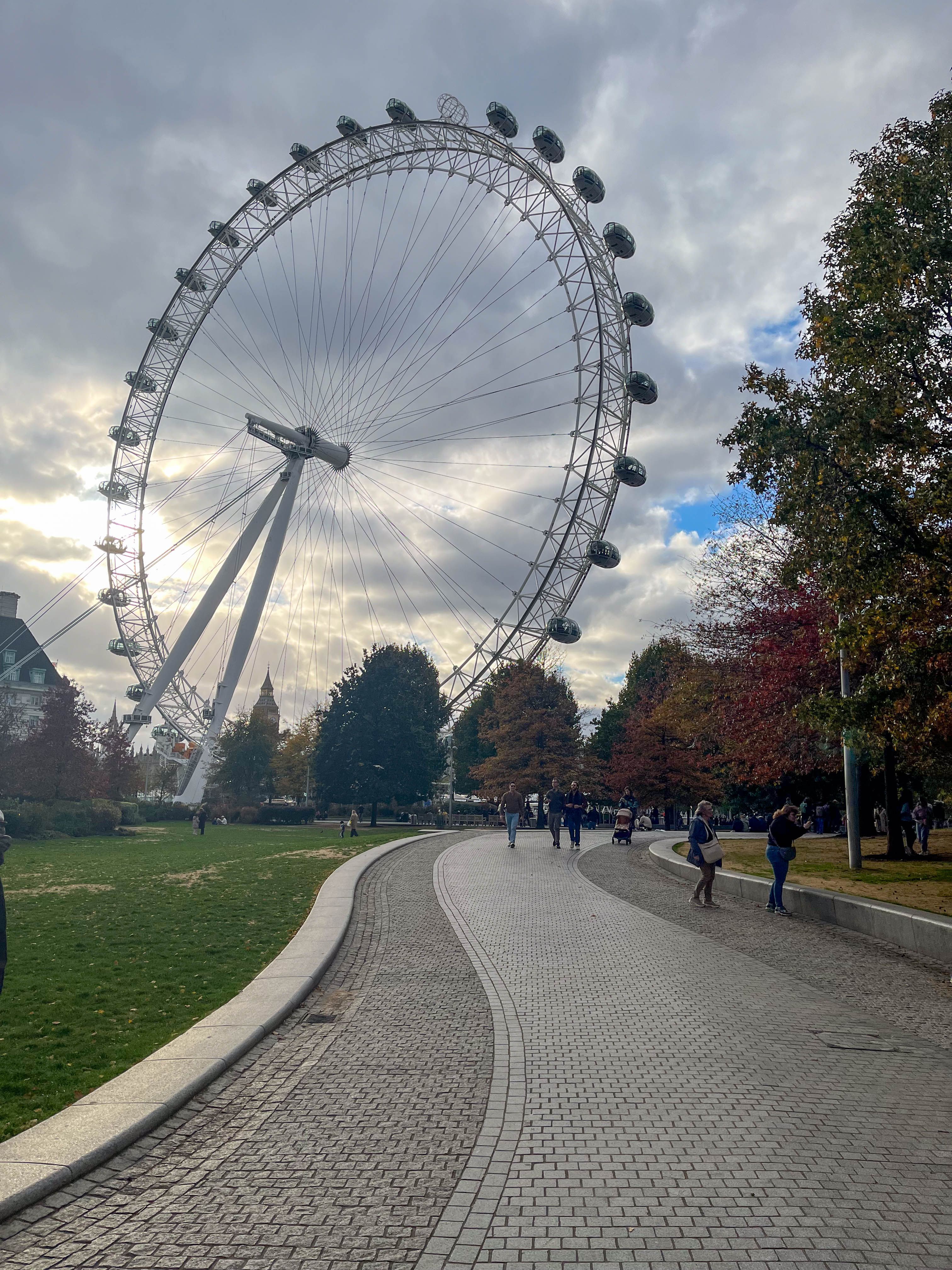
It opened to the public in 2000 and was called the Millennium Wheel. At that time it was the worlds largest Ferris Wheel. It was originally meant to be there for only 5 years, but it proved so popular that in 2001 a permanent license was granted. It has 32 passenger capsules, each of which holds up to 25 people. The wheel rotates at 26cm per second, meaning that one complete revolution takes about 30 minutes.
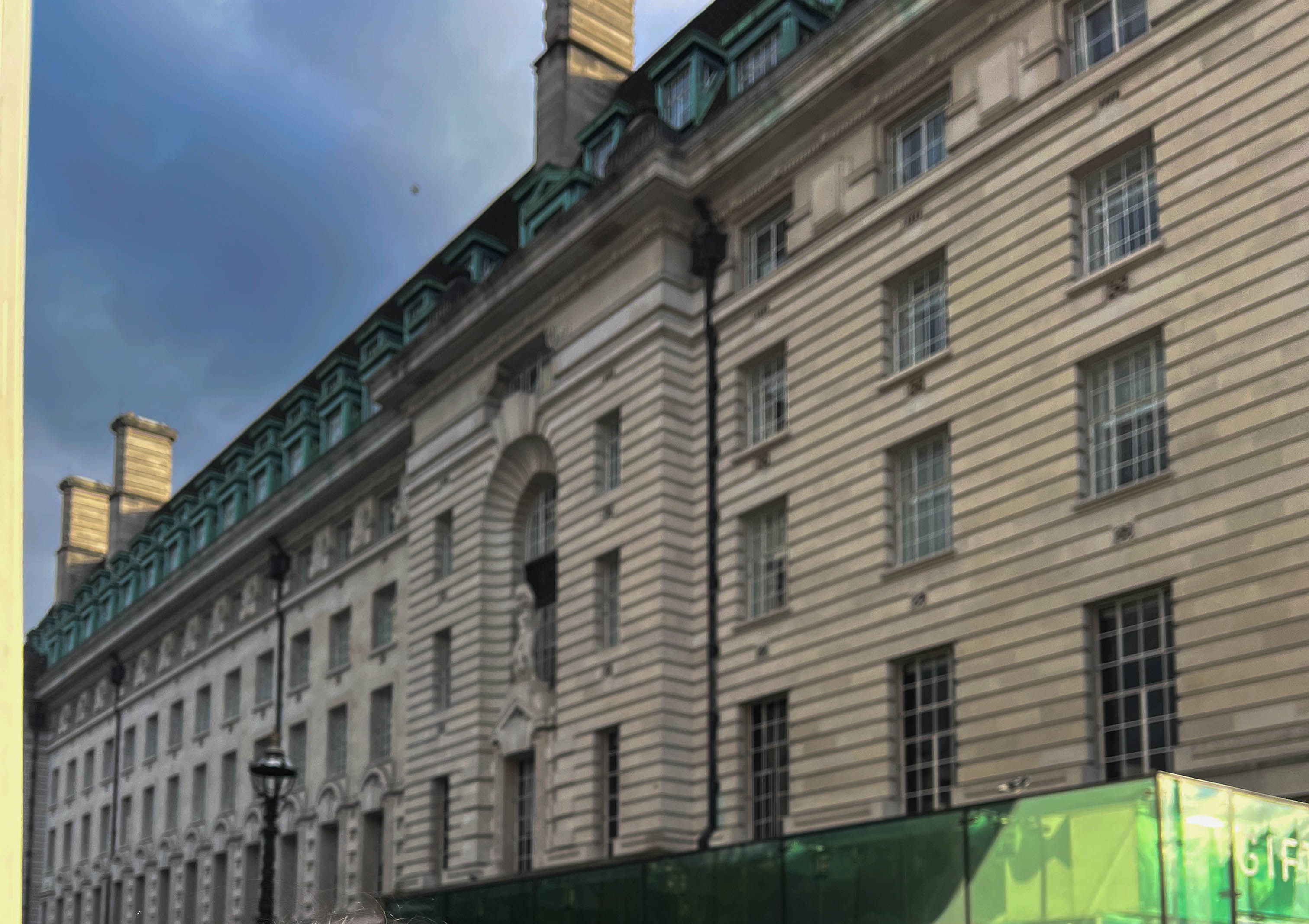
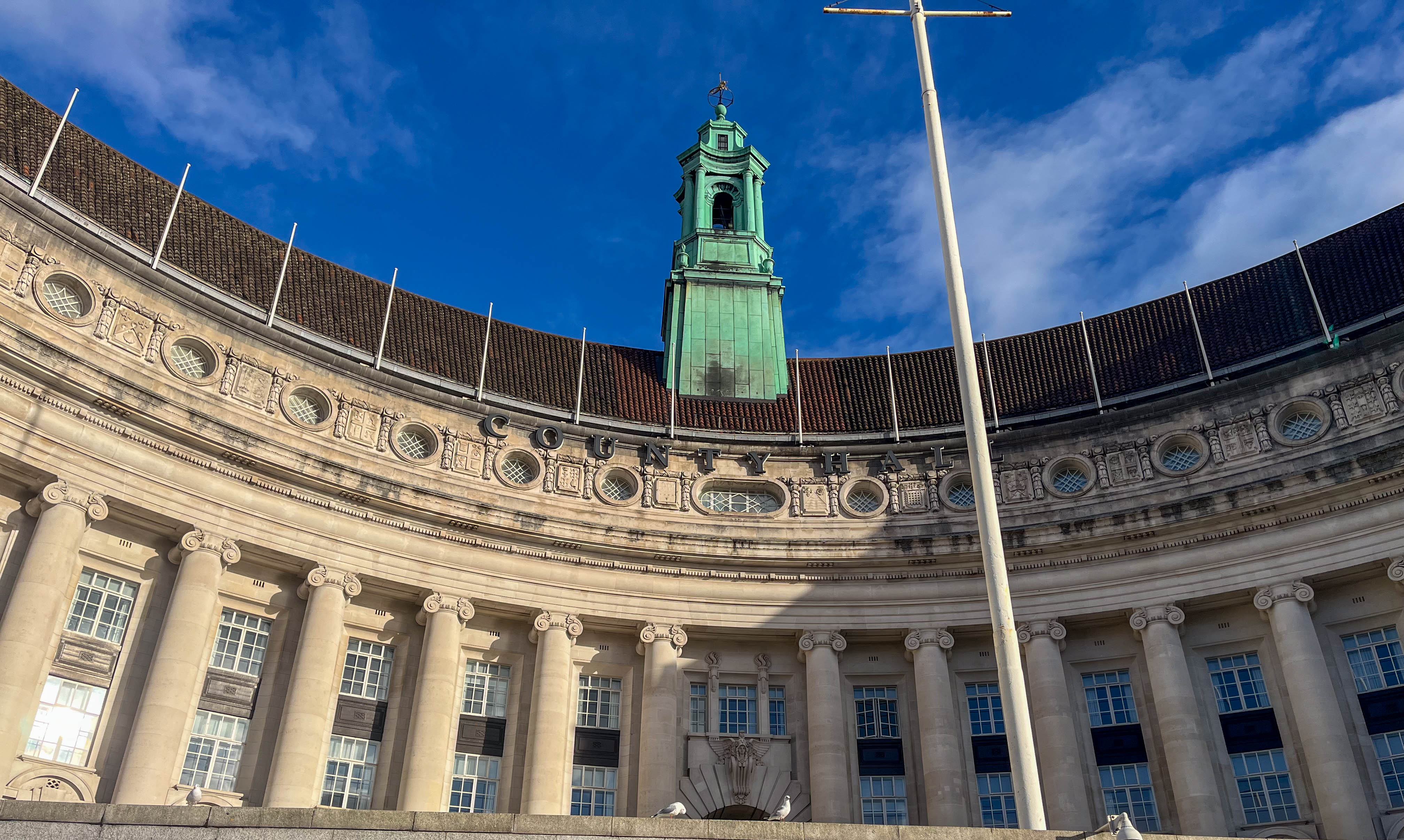
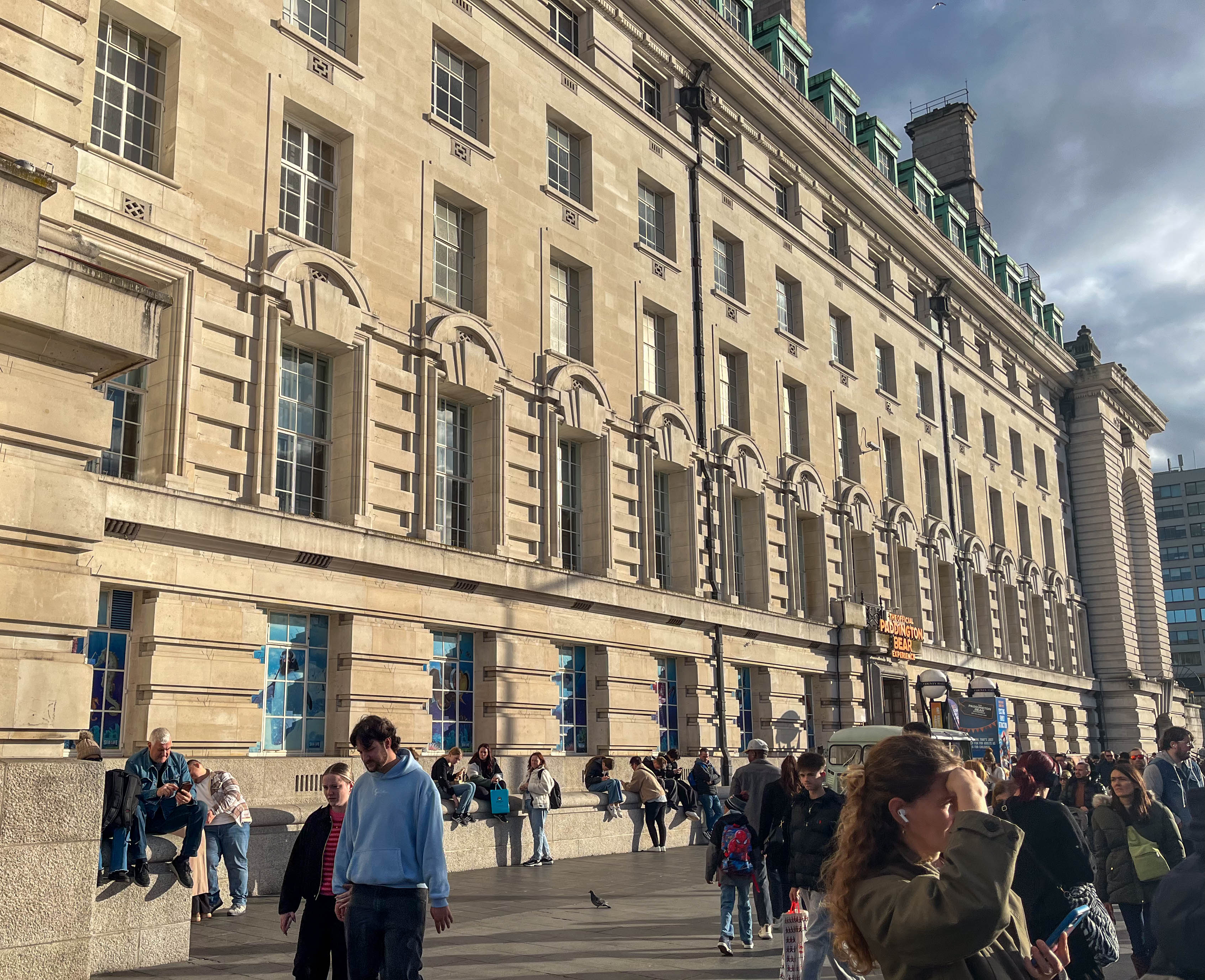
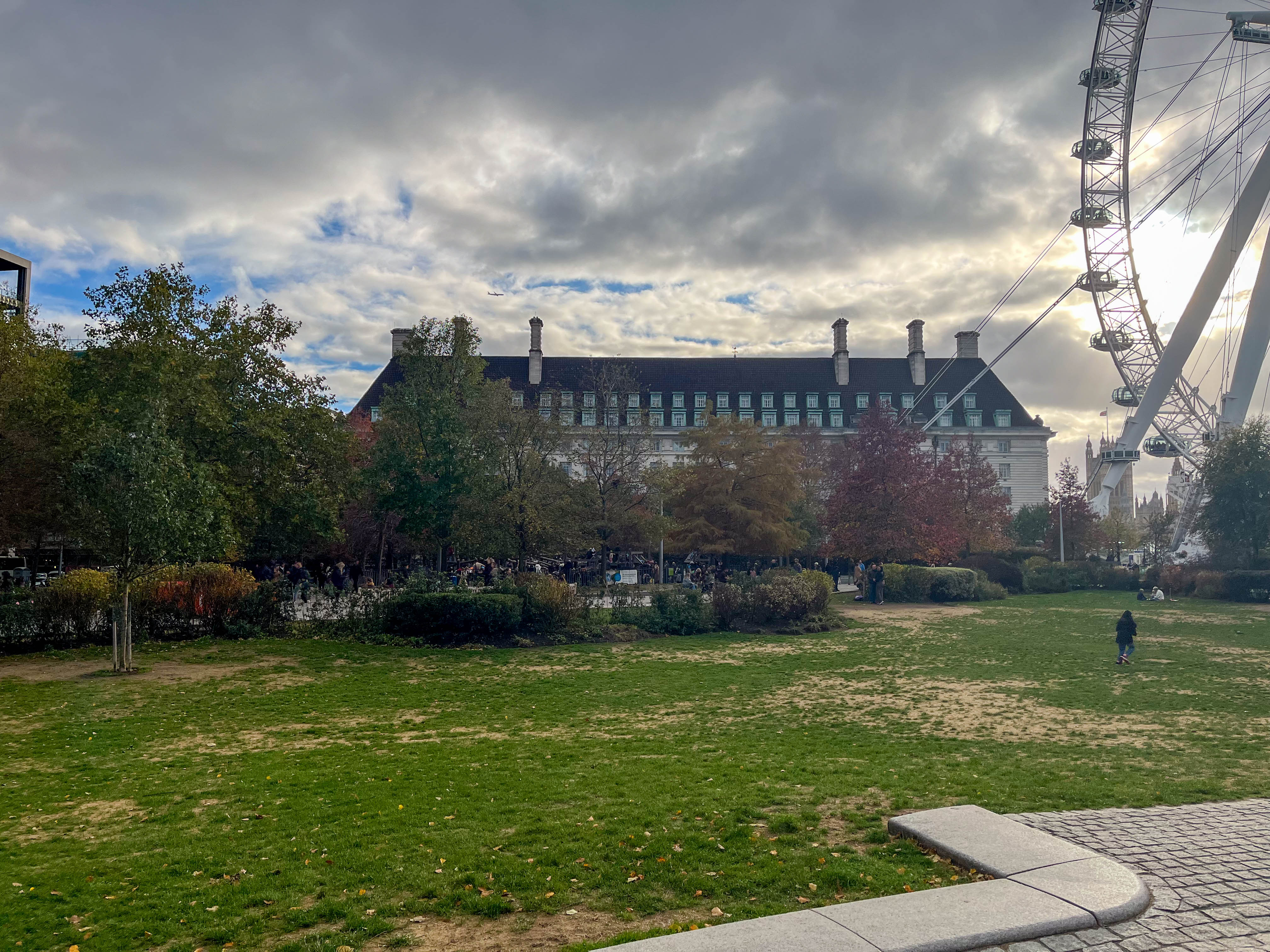
Moving on I come to the Old County Hall building. This was the home of the London County Council and then the Greater London Council. It was opened in 1922 and was enlarged between 1936 and 1939. When the GLC was abolished in 1986 it became redundant and the building was sold in 1990. It is now the home to a number of tourist attractions including the London Sea Life Centre, the London Dungeon and Shrek’s Adventure. There are two hotels based within the building and it also contains a conference centre, meeting and exhibition facilities.
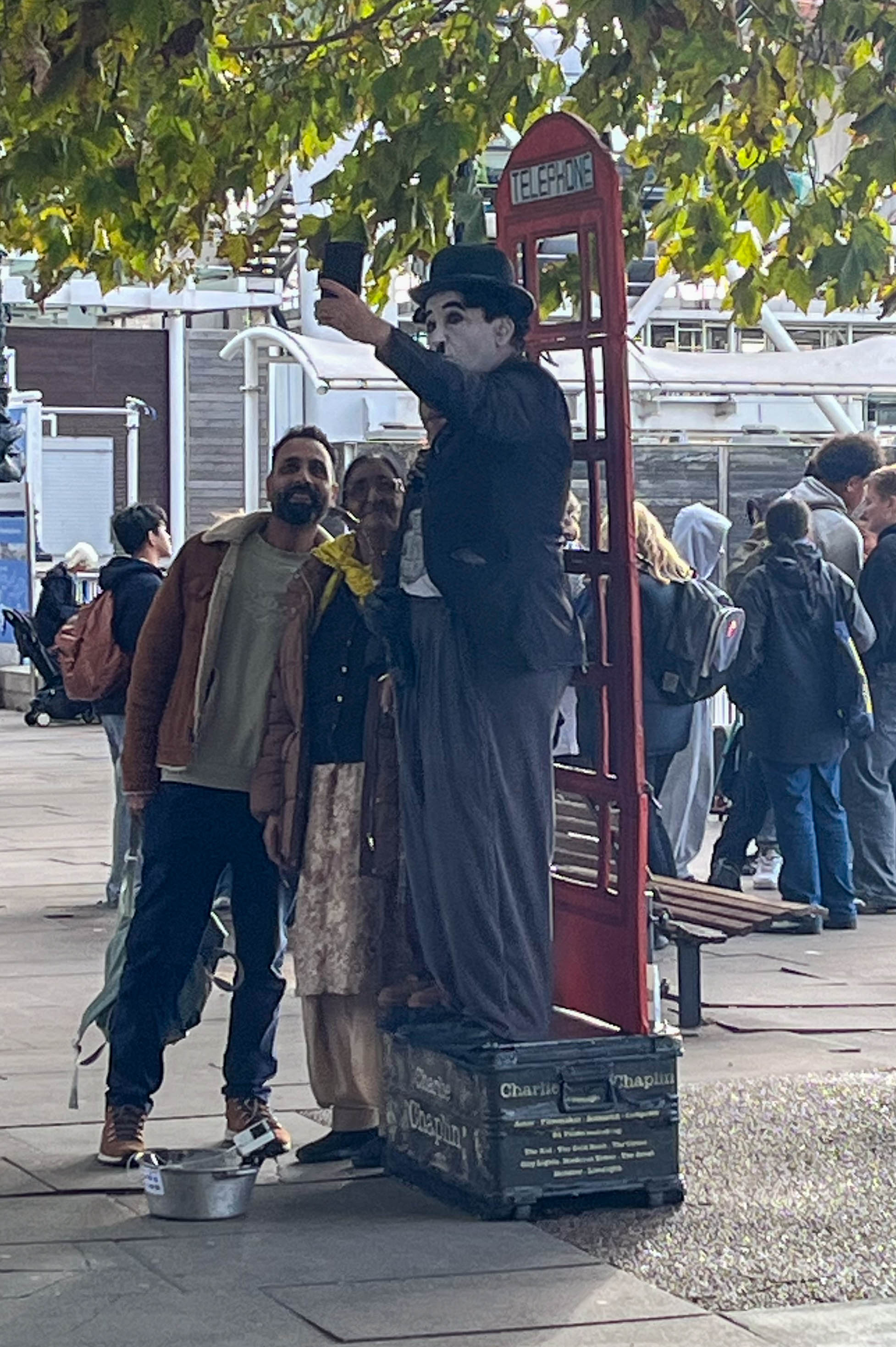
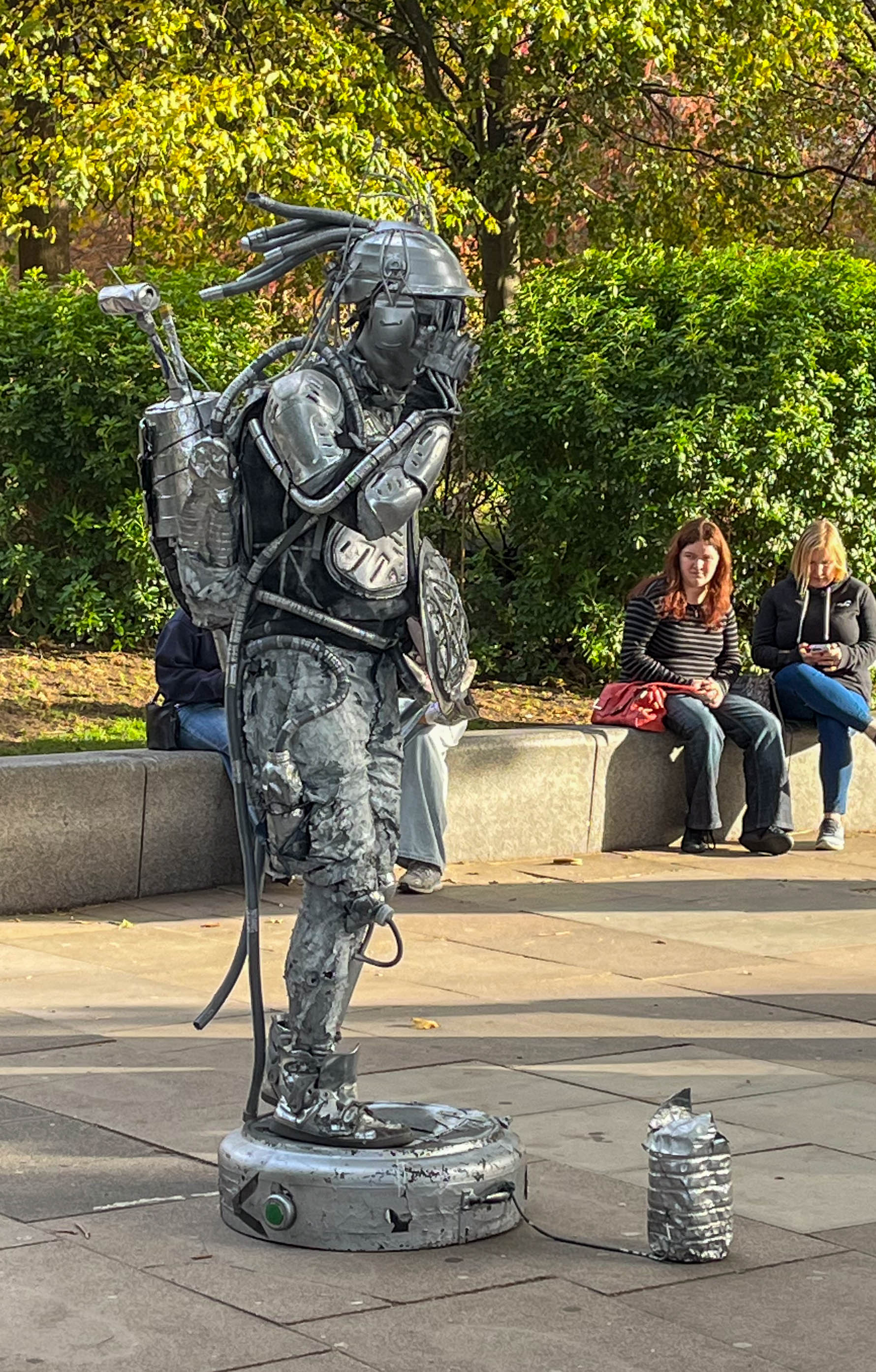
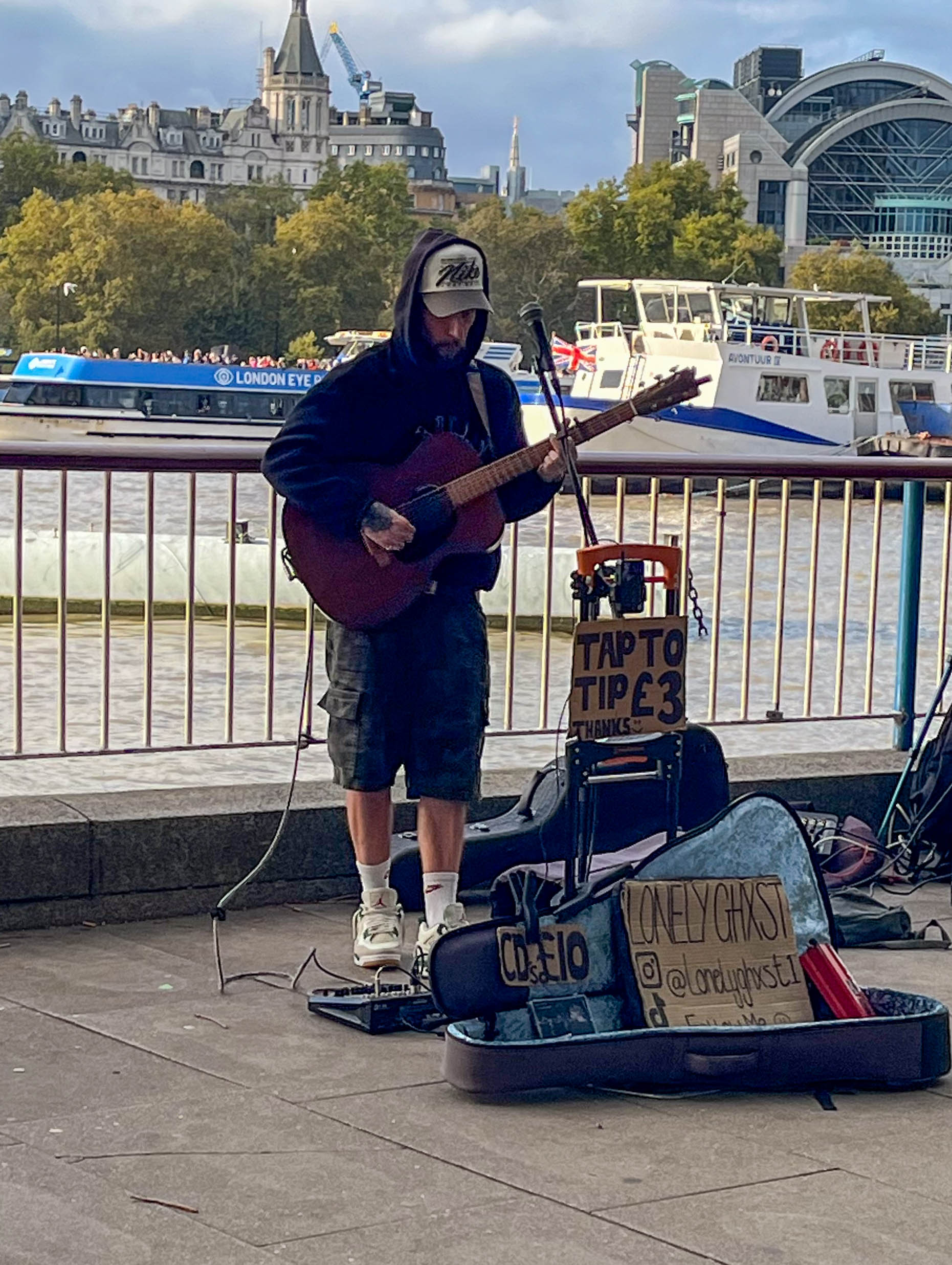
This part of the Southbank is an area for street performers.
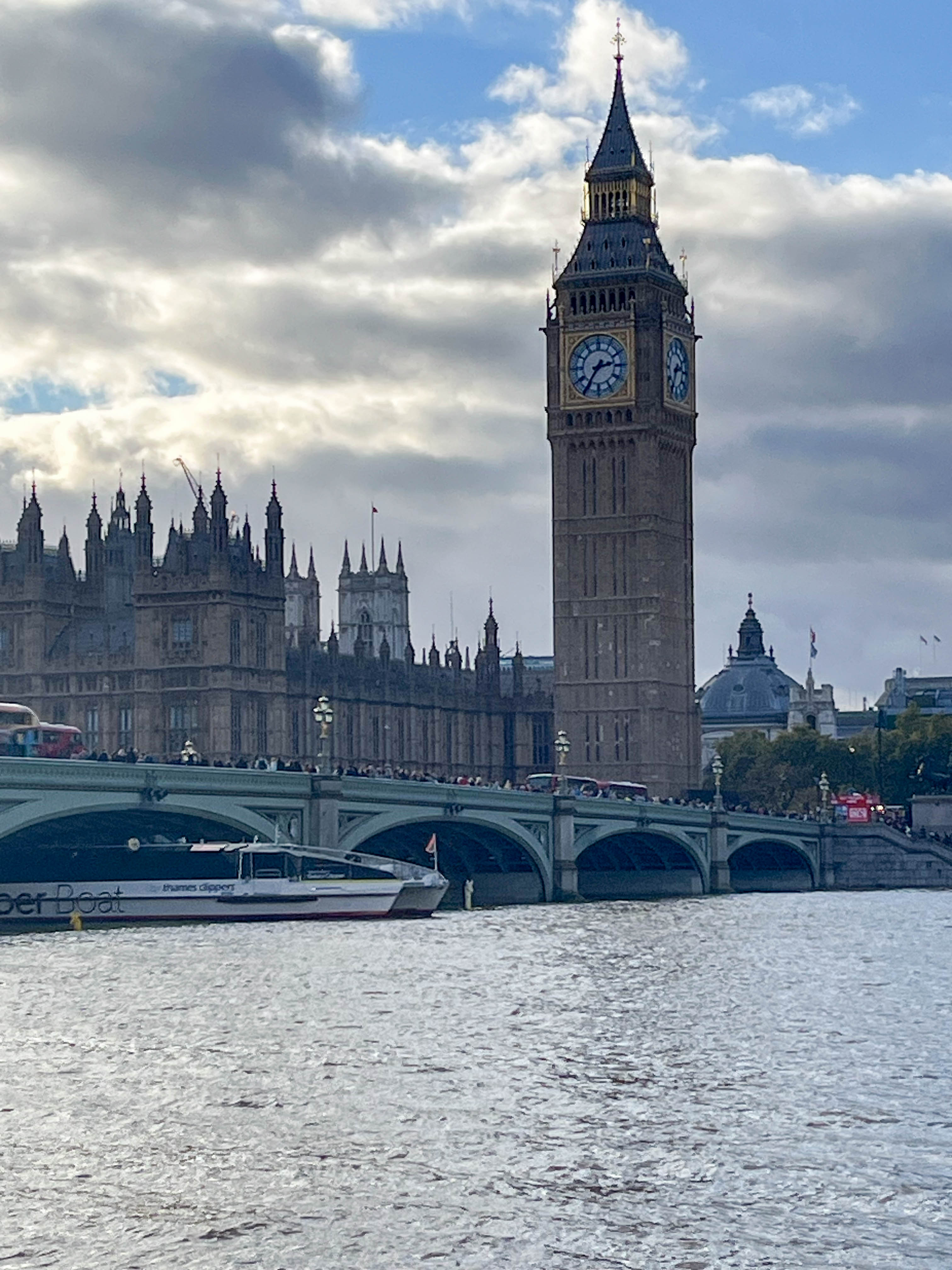
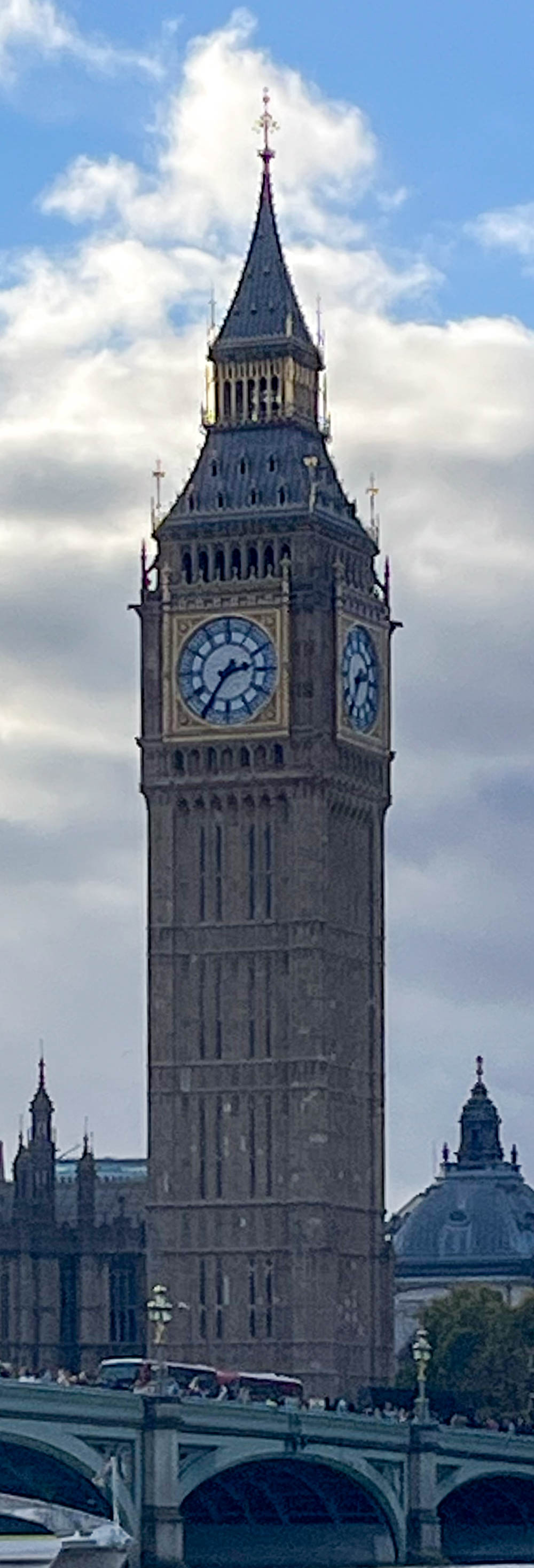
On the opposite bank of the river are the Houses of Parliament
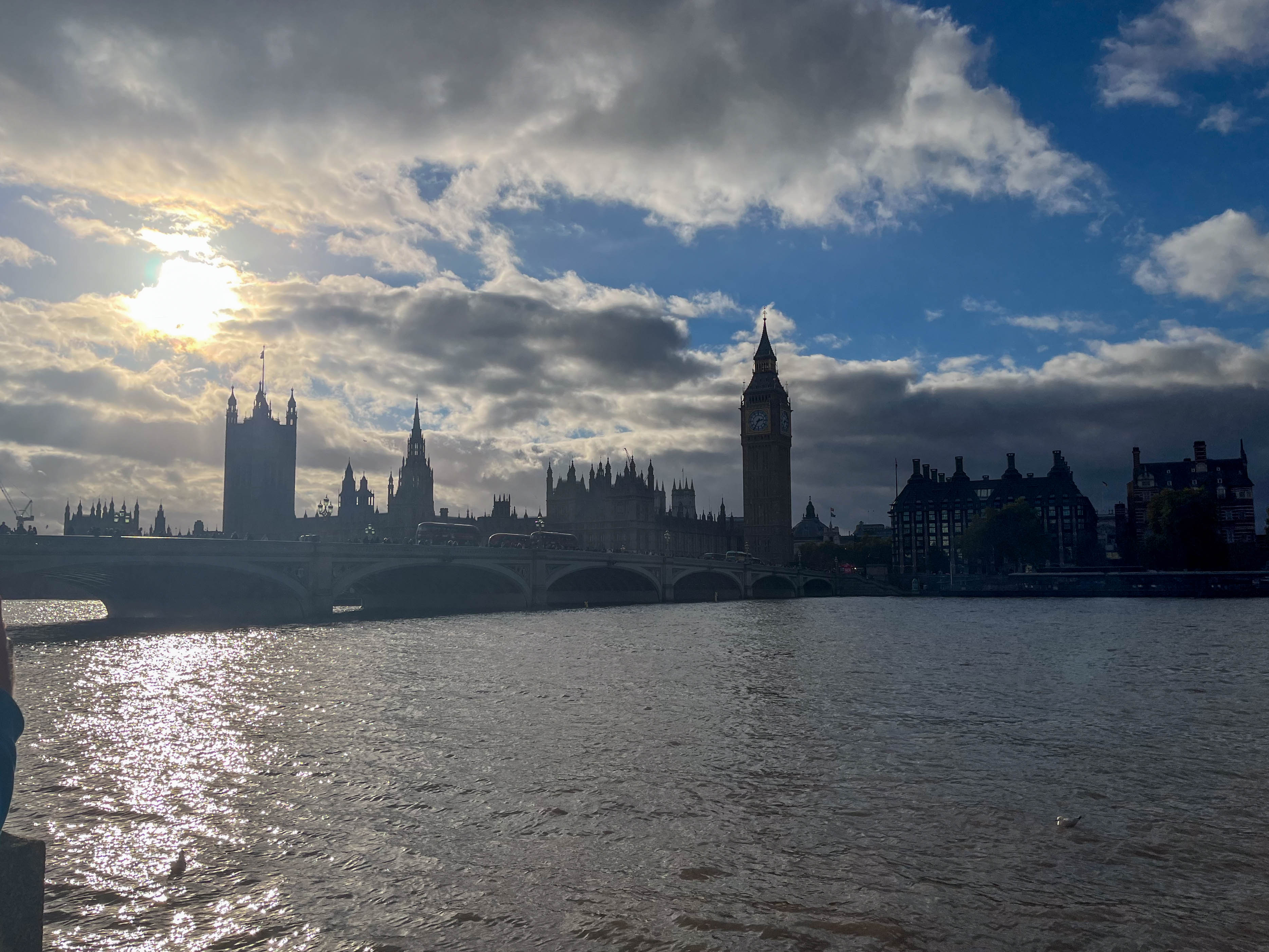
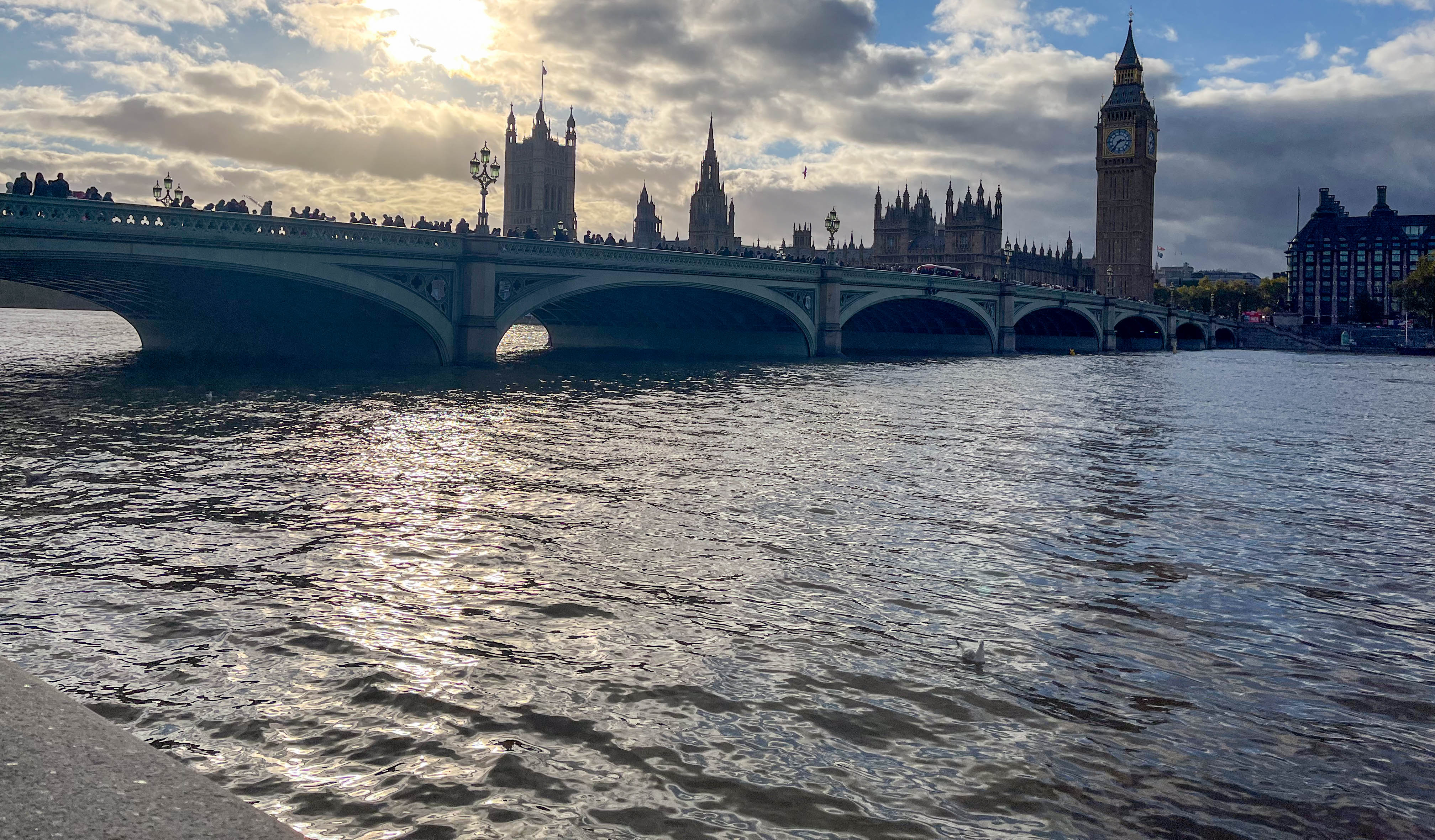
Crossing under Westminster bridge I come to the National COVID memorial wall.
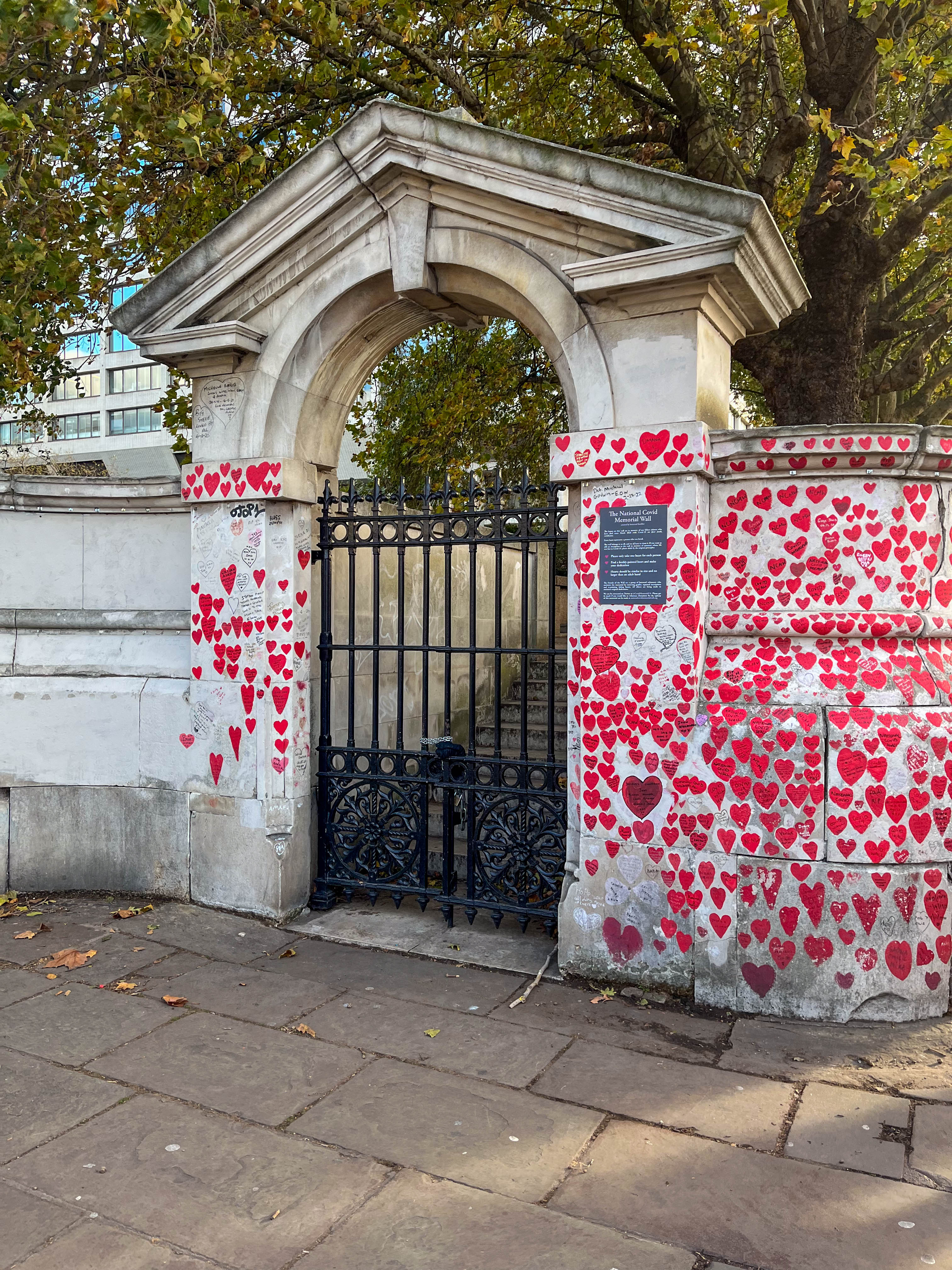
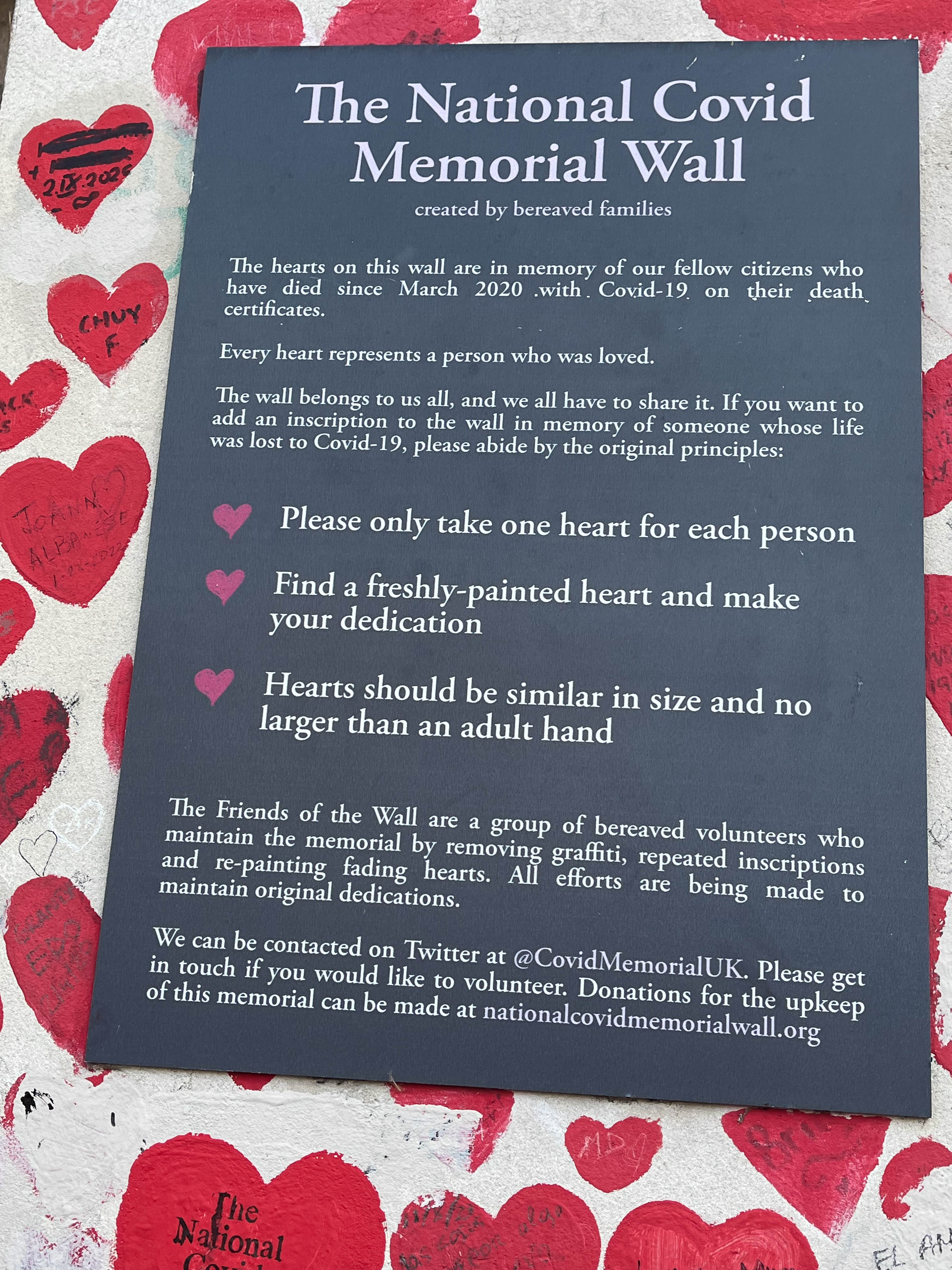
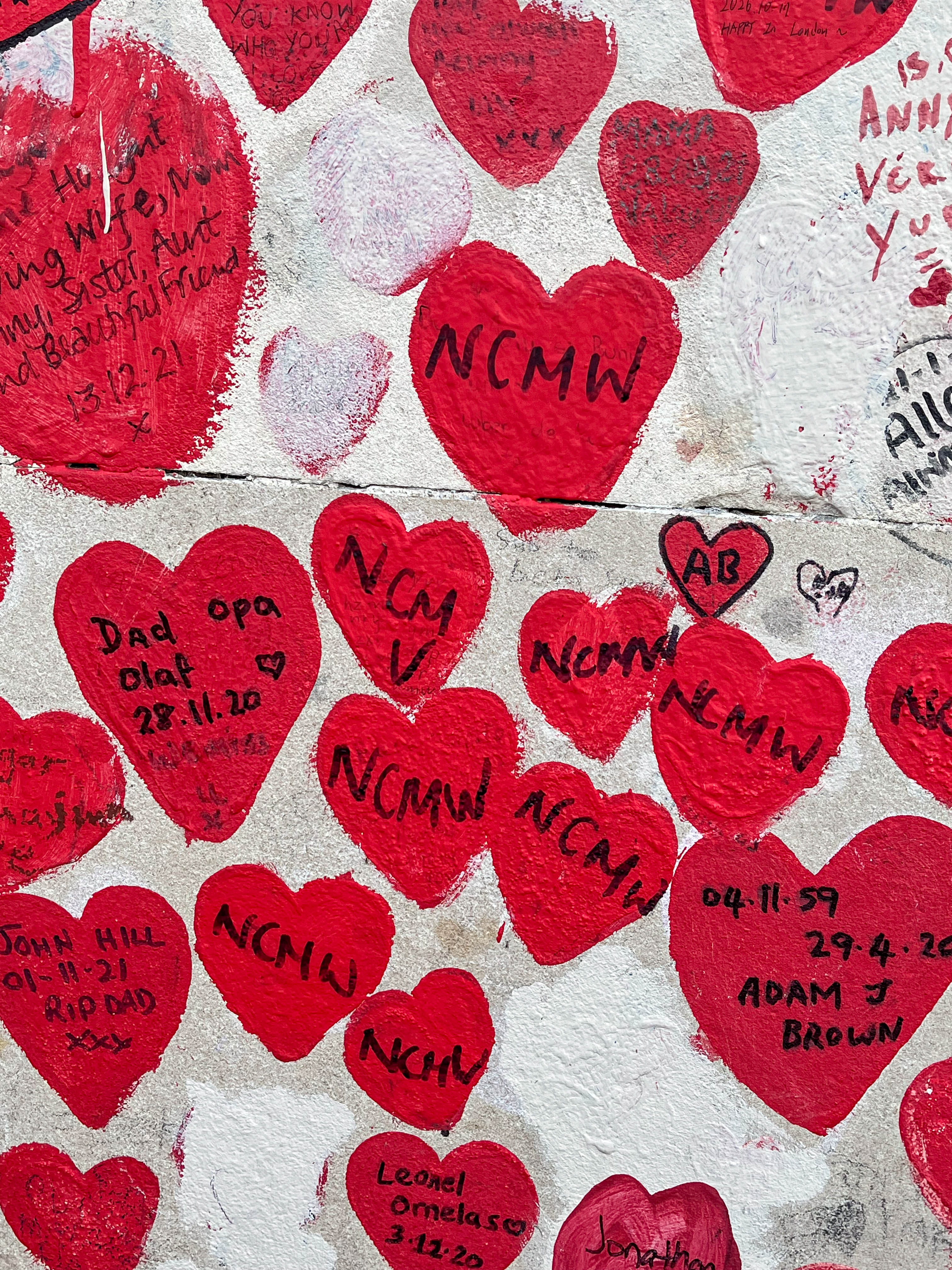
Created in 2021 it is a memorial to all those lost in the UK due to the COVID pandemic. It was officially recognised as a permanent memorial in 2025, providing ‘a space for reflection, remembrance and grieving’ . It stretches for 500m on the edge of the site of St Thomas’ hospital opposite the Houses of Parliament. It is estimated that more 250,000 people are represented and new memorials are still be added to it.
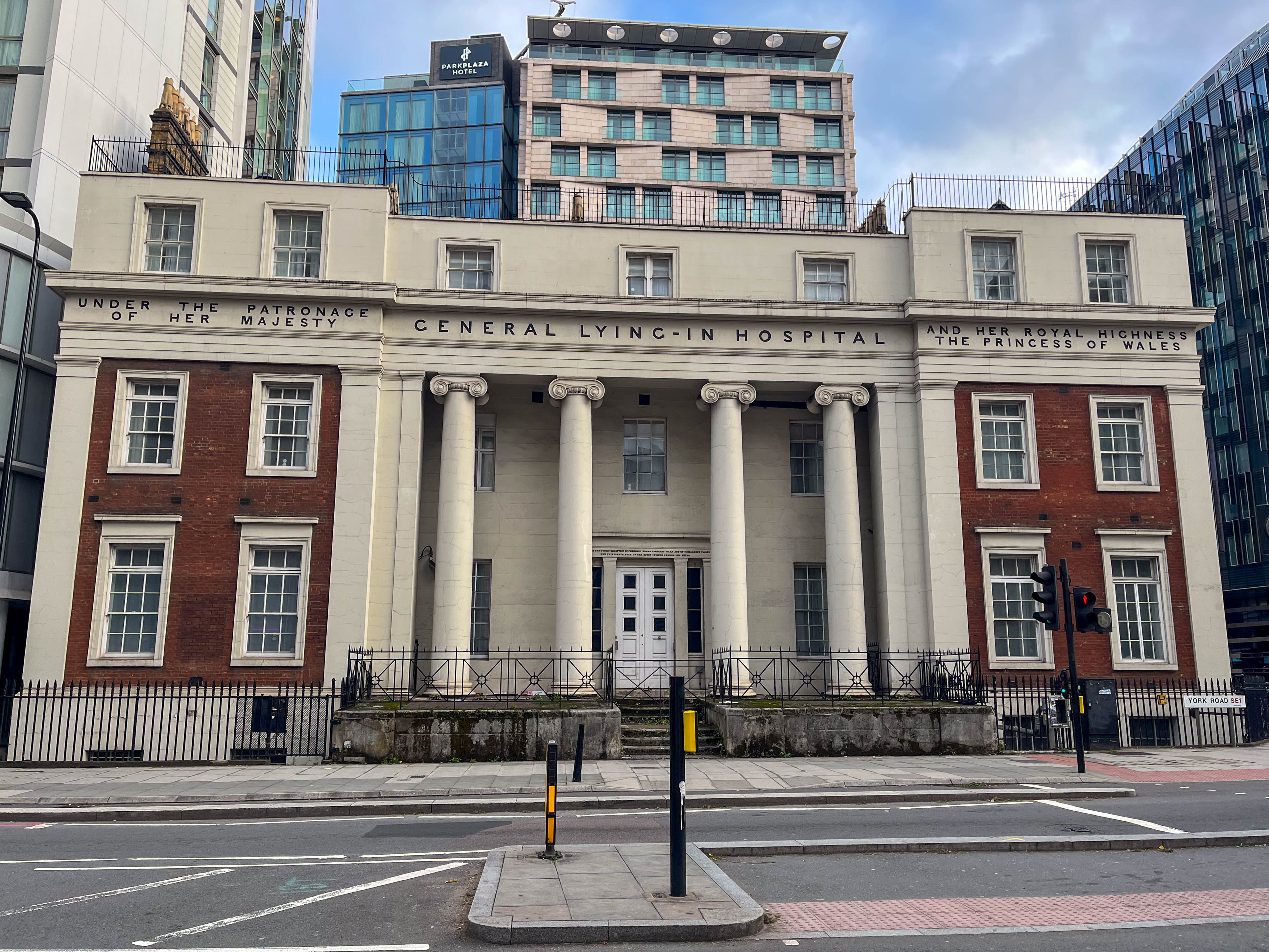
Leaving the modern buildings of St Thomas’ Hospital I come to the General Lying-in Hospital, one of the first specialist maternity hospitals in the UK. It opened in 1767 and moved to this site in 1828. In 1830 it was granted a royal charter. A school for midwives was opened in 1879, the same year that Joseph Lister was appointed a surgeon at the hospital. After a period at St Albans during the second world war, the hospital returned to the site in 1946 as the maternity unit of nearby St Thomas’ Hospital. It was closed in 1971 when maternity facilities were moved to the new hospital buildings. It remained unused for some years but was refurbished in 2003 and in 2013 it became part of the hotel located next door.


