

-
The Shannon Naval Brigade memorial
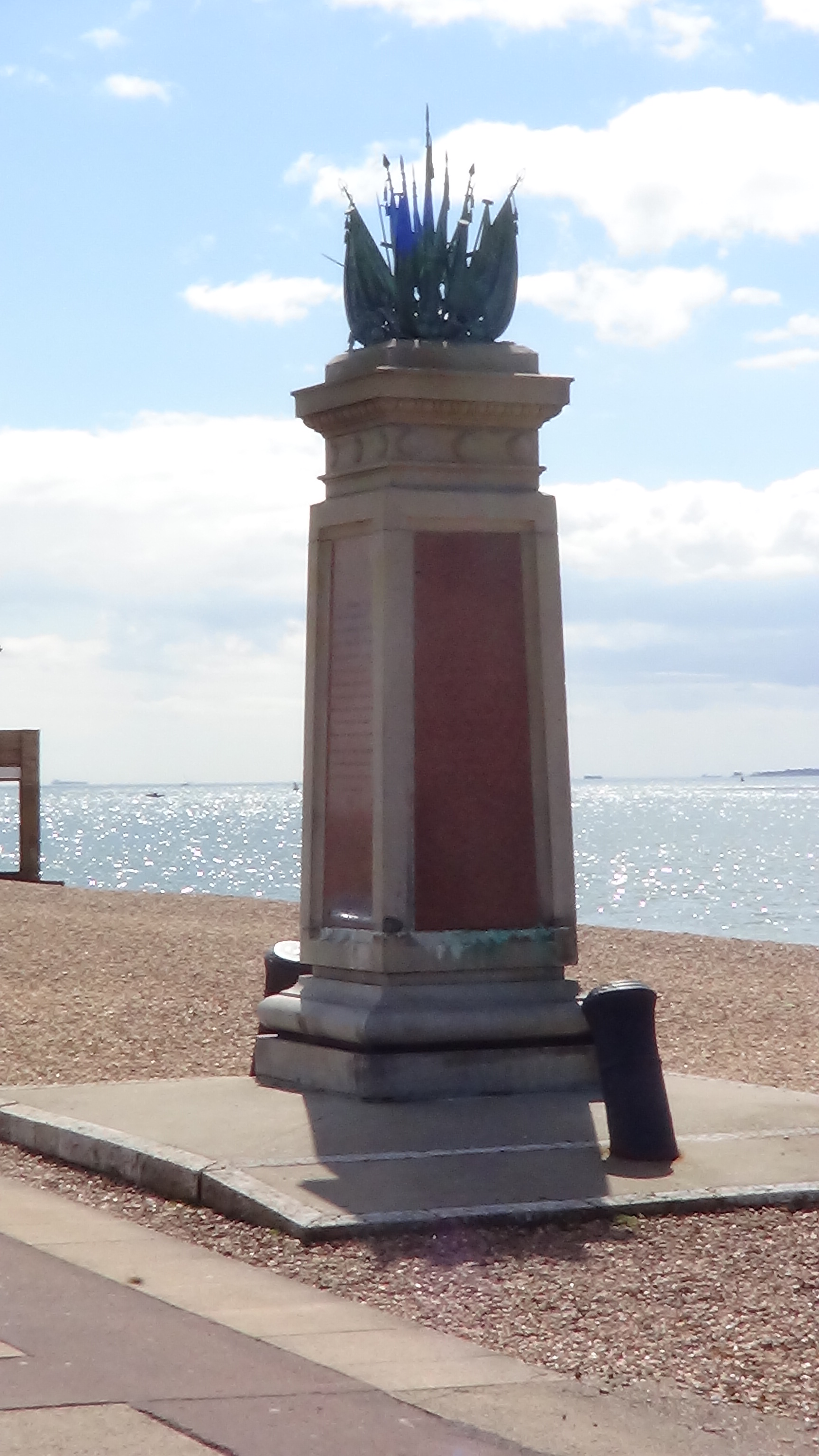
During the 19th century it was not uncommon for ships crews to be detailed to land duties. The Shannon Naval Brigade consisting of 23 officers, 54 Marines and 329 seamen left their ship in Calcutta in August 1857 under the command of Capt William Peel. They took with them 6 8 inch guns and travel to India’s North West province. In October of that year they took part in the Battle of Kedjiva and the following month fought in the relief of Lucknow. In January of the following year they took part in the Battle of Kallee-Nuddee and in March were involved in the recapture of Lucknow. Captain Peel died of smallpox the following month and eventually in August 1858, a year after they had left, the Shannon Naval Brigade returned to their ship in Calcutta. During their year on land they were awarded five Victoria crosses – four during the relief of Lucknow in 1857 and one during its recapture the following year. The monument which stands on Southsea Esplanade was raised by the officers and crew of HMS Shannon in memory of Capt Peel and the men who died during the India campaign. The metal sculpture on top is made from gunmetal taken from a gun captured by the brigade at Lucknow
-
The Portsmouth Naval Monument

This monument was built after the First World War and extended after the Second World War to commemorate the naval officers and ratings who died at sea after sailing from the Port of Portsmouth and who were buried at sea. It is one of a number of similar memorials at Plymouth, Chatham, Liverpool and at Tower Hill in London. The memorial at Portsmouth as 24,588 names on it

 Pete's Favourite Things