

A break in the bad weather and a bright morning greets us for the first trip outside London this year. Our destination is the North Norfolk Coast and in particular the RSPB’s reserve at Titchwell. This coast suffered particularly badly from the pre-Christmas storms and so it is uncertain what we will find.
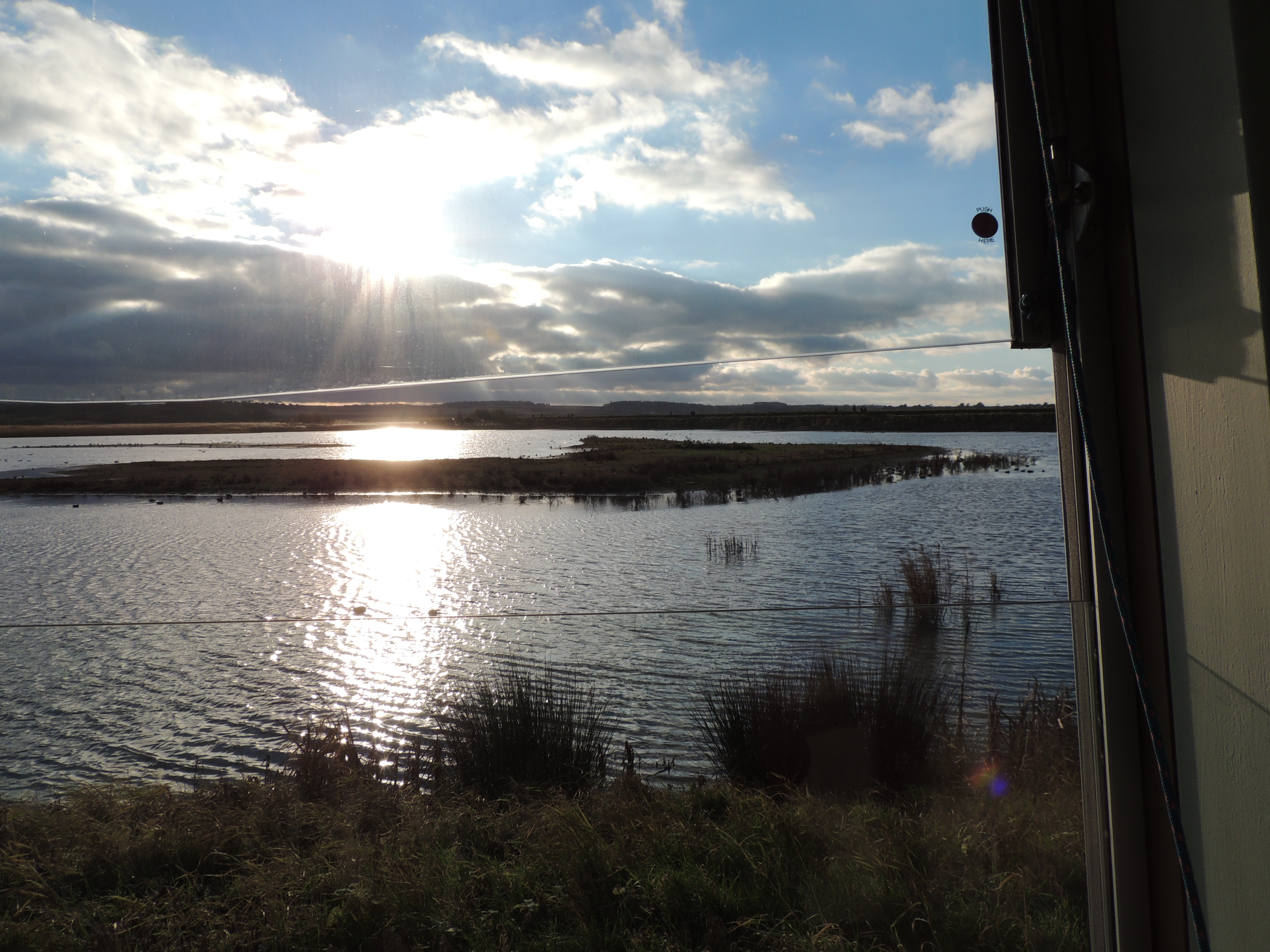
The RSPB reserve at Titchwell is unique in that it lies either side of a raised path leading from the car park to the beach. Along either side of this path are arranged areas of reed bed, freshwater marsh, salt water marsh and of course the beach at the far end. So within a distance of 1.5 km you are able to experience a number of different wildlife habitats.


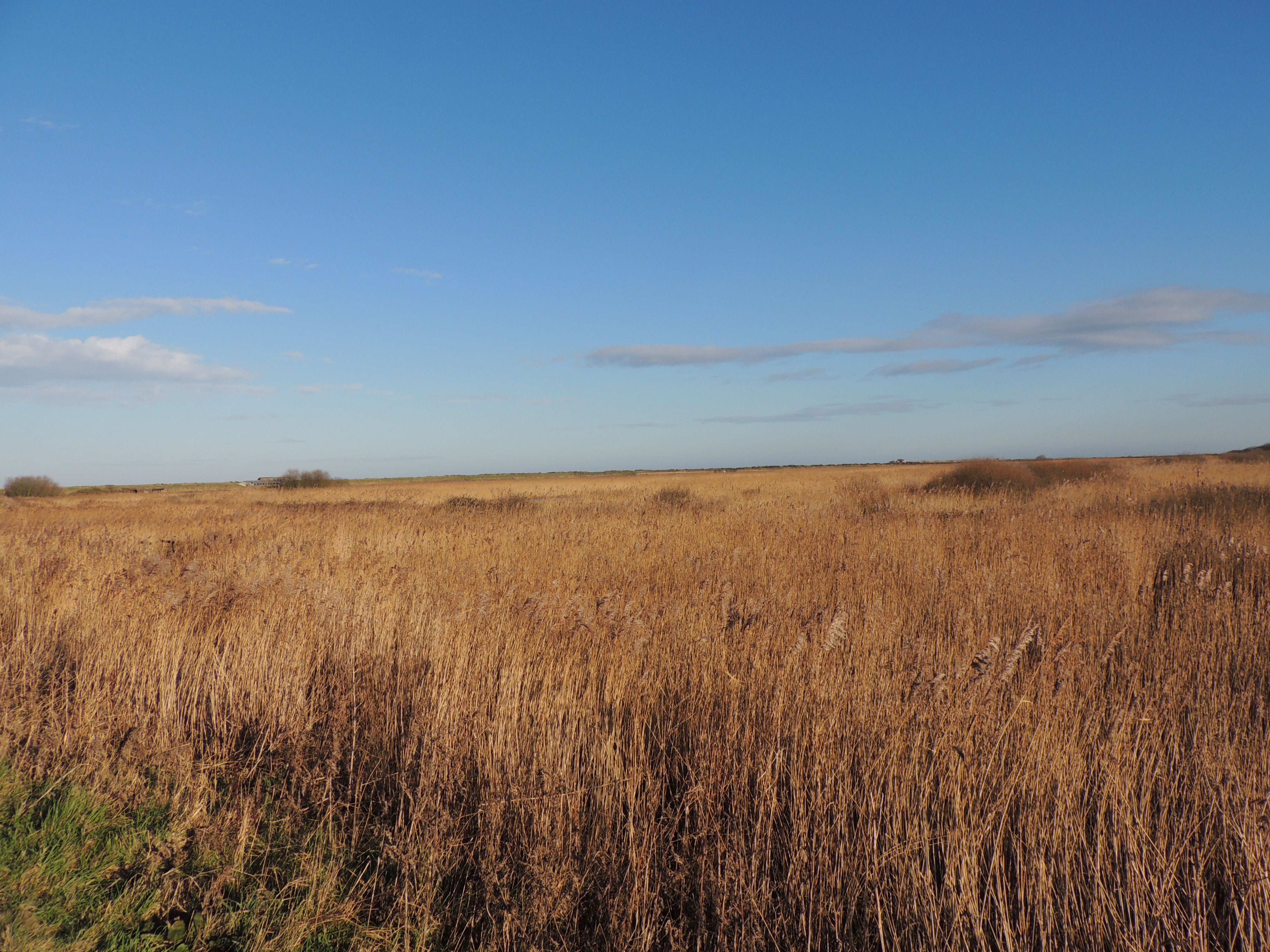
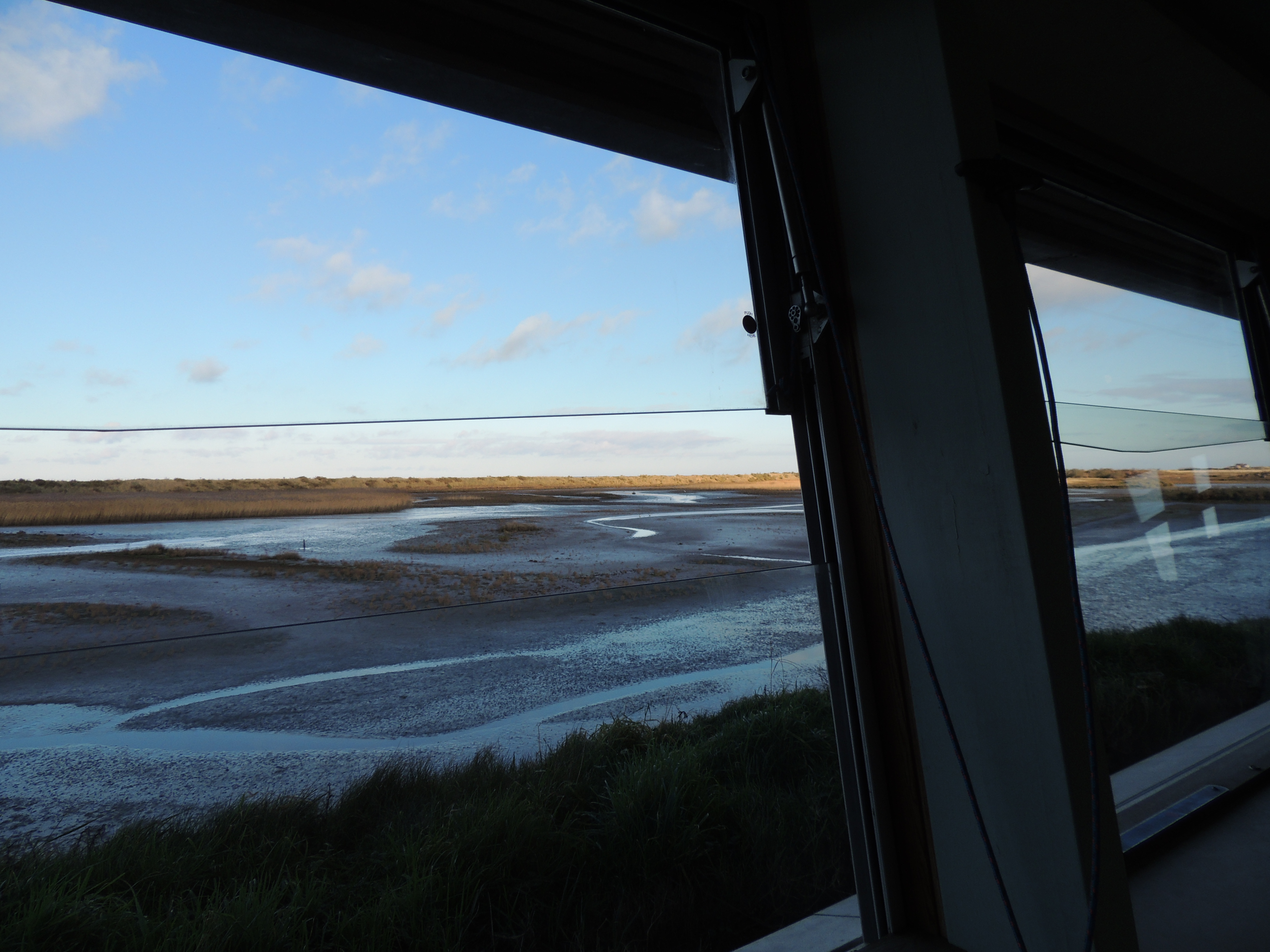
The good birds start at the visitors centre where a Brambling is seen on the feeders. This winter visitor is becoming increasingly uncommon and so this is a good bird to catch up with early on. A Marsh harrier is seen over the reedbed. This was to be the only one seen during the day – their numbers on the coastal reserves fell dramatically during the storms and have not yet recovered. I hope it is only that the birds have moved to less storm affected inland roosts.

Brambling
Photo by Segey Yeliseev (http://www.flickr.com/photos/yeliseev/)
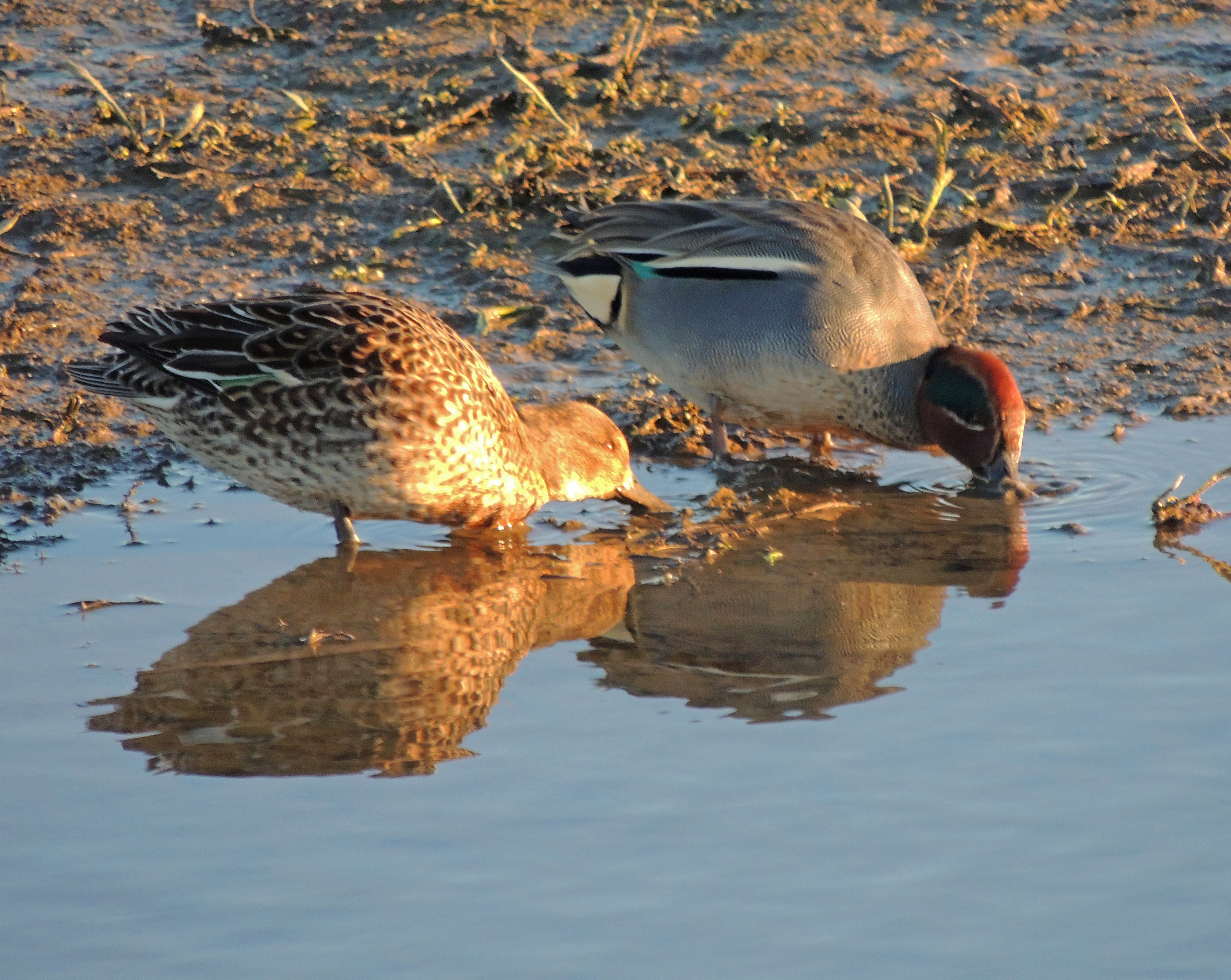
The freshwater marsh has plenty of wading birds including Ruffe and Golden Plover along with a large number of Teal and a few Northern Shoveler.


The Saltwater marsh affords close views of Redshank and Black-tailed Godwits.


Watching from the beach I saw Red-throated Diver and Common Scoter on the sea. All too soon its time to return to London, but its been a good days birdwatching with excellent numbers of many species and some great close views. Leaving Titchwell at dusk we travel back along the coast and are treated to the sight of skeins of Pink-footed Geese flying into roost in the fields around Hunstanton.
Common Pheasant [sp] (Phasianus colchicus)
Pink-footed Goose (Anser brachyrhynchus)
Greylag Goose [sp] (Anser anser)
Brant Goose [sp] (Branta bernicla)
Mute Swan (Cygnus olor)
Common Shelduck (Tadorna tadorna)
Eurasian Wigeon (Anas penelope)
Mallard [sp] (Anas platyrhynchos)
Northern Shoveler (Anas clypeata)
Eurasian Teal [sp] (Anas crecca)
Tufted Duck (Aythya fuligula)
Common Scoter (Melanitta nigra)
Common Goldeneye [sp] (Bucephala clangula)
Red-throated Loon (Gavia stellata)
Little Grebe [sp] (Tachybaptus ruficollis)
Little Egret [sp] (Egretta garzetta)
Great Cormorant [sp] (Phalacrocorax carbo)
Western Marsh Harrier [sp] (Circus aeruginosus)
Common Kestrel [sp] (Falco tinnunculus)
Common Moorhen [sp] (Gallinula chloropus)
Eurasian Coot [sp] (Fulica atra)
Eurasian Oystercatcher [sp] (Haematopus ostralegus)
Pied Avocet (Recurvirostra avosetta)
Northern Lapwing (Vanellus vanellus)
European Golden Plover (Pluvialis apricaria)
Common Snipe [sp] (Gallinago gallinago)
Black-tailed Godwit [sp] (Limosa limosa)
Eurasian Curlew [sp] (Numenius arquata)
Common Redshank [sp] (Tringa totanus)
Ruddy Turnstone [sp] (Arenaria interpres)
Dunlin [sp] (Calidris alpina)
Ruff (Philomachus pugnax)
Black-headed Gull (Chroicocephalus ridibundus)
European Herring Gull [sp] (Larus argentatus)
Common Wood Pigeon [sp] (Columba palumbus)
Eurasian Collared Dove [sp] (Streptopelia decaocto)
Eurasian Magpie [sp] (Pica pica)
Carrion Crow [sp] (Corvus corone)
Great Tit [sp] (Parus major)
Eurasian Blue Tit [sp] (Cyanistes caeruleus)
Eurasian Skylark [sp] (Alauda arvensis)
Long-tailed Tit [sp] (Aegithalos caudatus)
Common Starling [sp] (Sturnus vulgaris)
Common Blackbird [sp] (Turdus merula)
European Robin [sp] (Erithacus rubecula)
Meadow Pipit [sp] (Anthus pratensis)
Common Chaffinch [sp] (Fringilla coelebs)
Brambling (Fringilla montifringilla)
European Goldfinch [sp] (Carduelis carduelis)

 Pete's Favourite Things