

By the middle of the 19th century it was becoming evident that the British Museum collection was outgrowing its home in Bloomsbury. It was therefore decided to create a new museum to exhibit the natural history component of the collection. The site chosen was the site of the 1862 exhibition building in South Kensington (this had been labelled as one of the ugliest buildings ever built). Ironically, the architect chosen to design the new museum was the same one as had designed the 1862 building. However, shortly afterwards he died and was replaced by Alfred Waterhouse, who designed the building, which stands today and is reckoned by many to be one of the most attractive buildings in London.
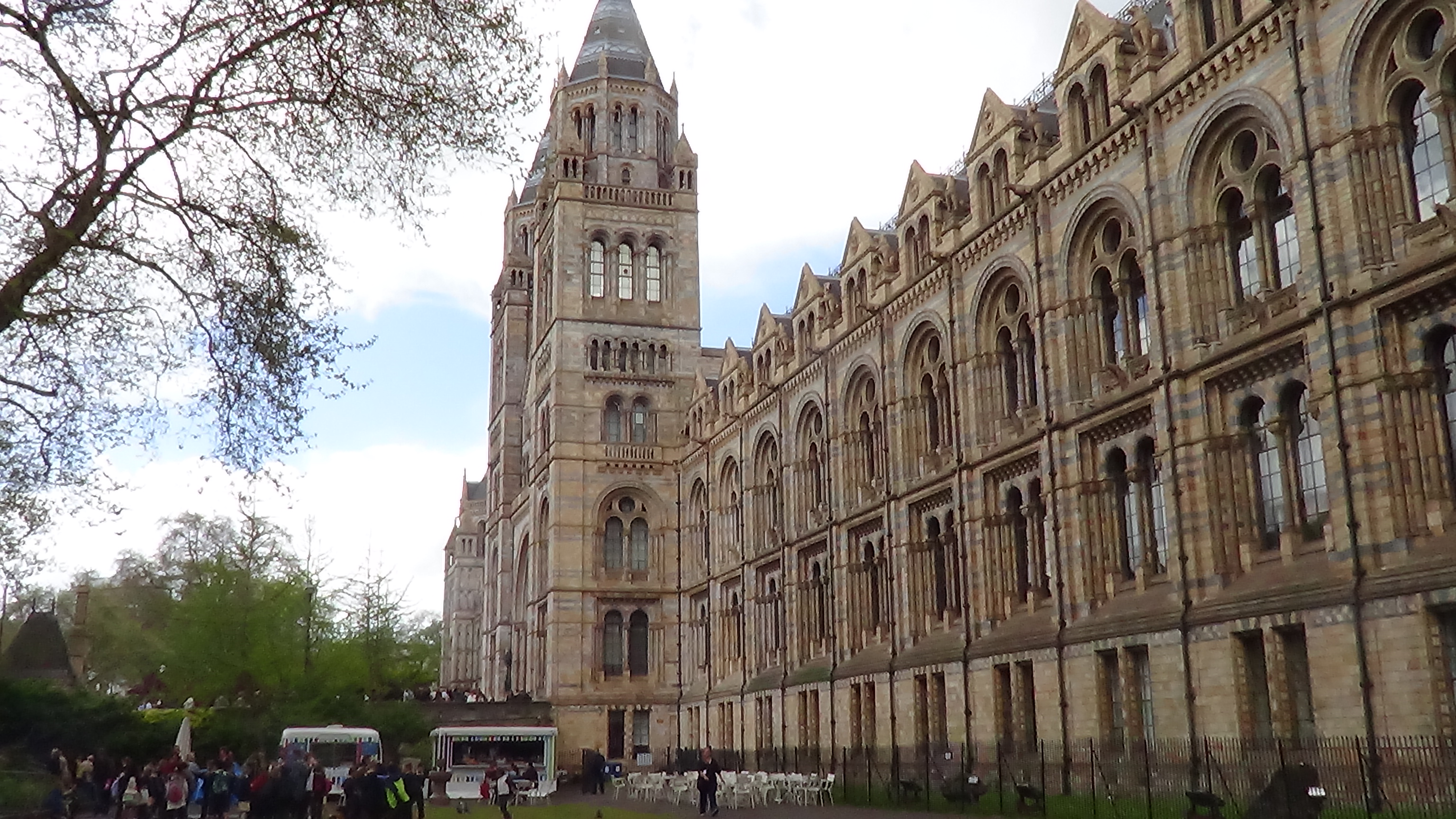
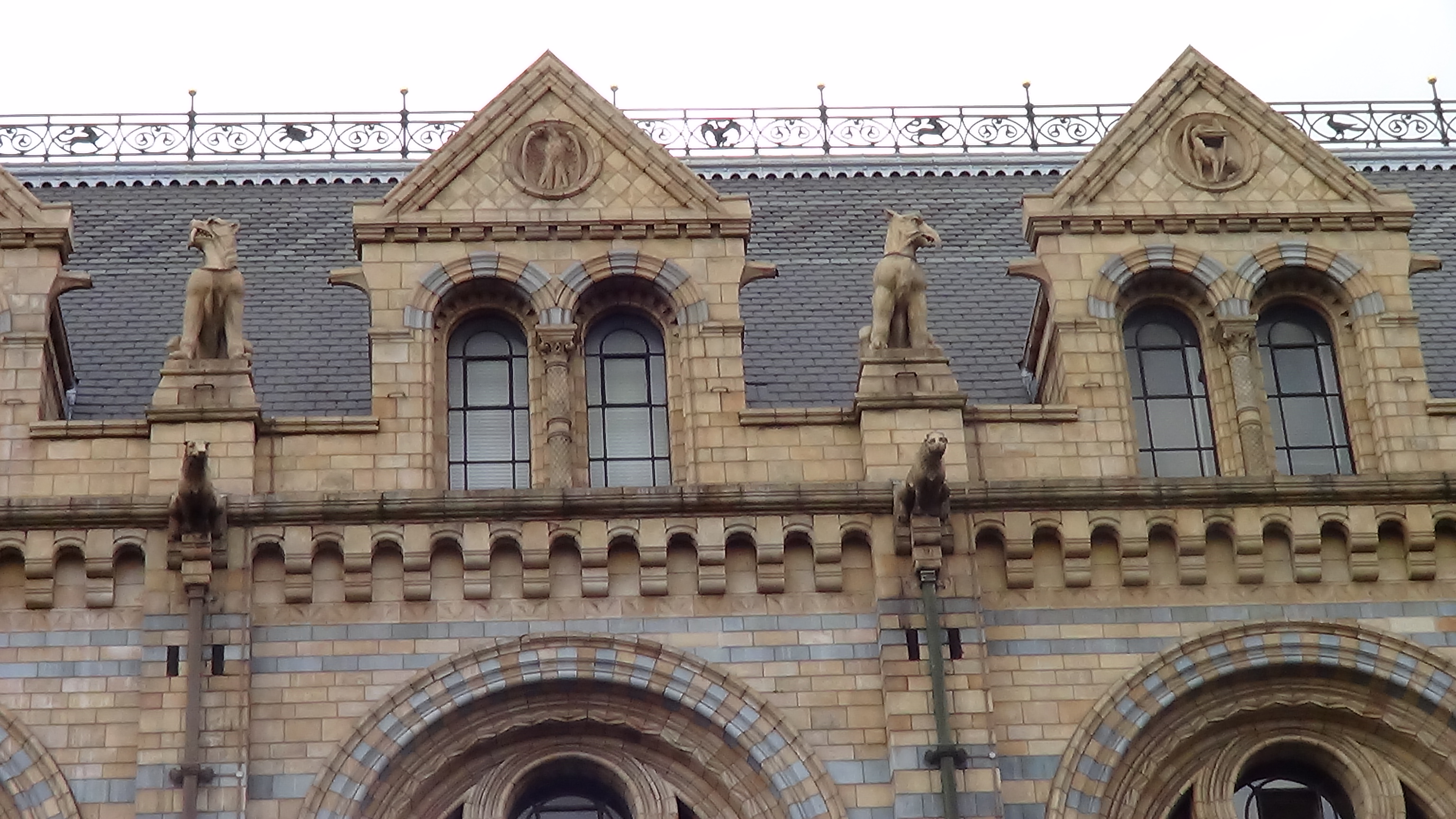
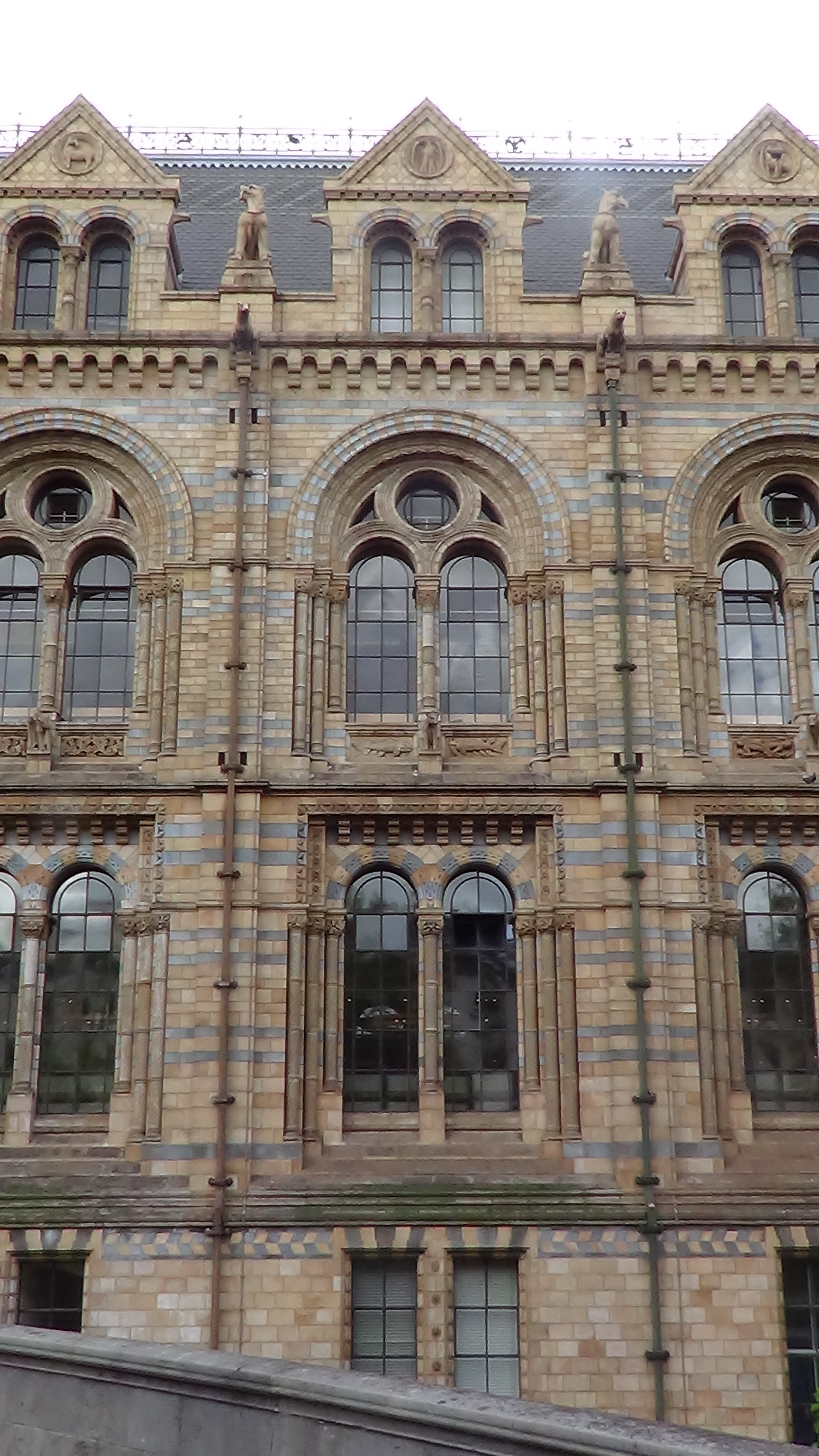


Photo by Jancsi (http://www.flickr.com/photos/26831835@N00/)
The museum opened to the public in April 1881.

 Pete's Favourite Things
Great post!
This museum began at the time when science, esp natural history, was moving from the realm of amateur to professional. I’m enjoying a biography of Beatrix Potter just now (‘The Extraordinary Life of a Victorian Genius’) which describes her rejection by the scientists of the late 19th century. She submitted a paper about fungal reproduction to the newly formed Linnean Society. They declined to publish it, partly no doubt because she was female, but also because she was an amateur. One who just happened to be right about the science she described.
Somewhat ironic really as the great collections (eg British Museum) owed so much to the activities of the gentleman collectors eg Sloane. You may well be right about it being about her being female. If I recall correctly Mary Anning, the Dorset fossil collector, also had similar problems. Many of her finds are now displayed in the Natural History Museum.
If I get a chance to revisit that museum (which I loved in childhood, but that was many years ago) I’ll look for Anning’s collection. I hope she got an apology, even if posthumously. Potter got an apology from the Linnean Society, and (I think) something like Honorary Membership, about a century after her death. I blogged about her http://argylesock.wordpress.com/2013/01/18/beatrix-potter-the-naturalist-and-farmer/
I cant find that she was awarded any official recognition by the scientific community either during her life or afterwards, although in 2010 (some 160 years after her death) she was included by the Royal Society in a list of the 10 women in history who have contributed most to science. There is a good museum in Lyme Regis in Dorset which tells the story of Mary Anning, her brother and the other fossil collectors and paleontologists of the Dorset coast.