![Fertile Crescent (By 92bari (Own work) [CC BY-SA 3.0 (http://creativecommons.org/licenses/by-sa/3.0)], via Wikimedia Commons)](https://petesfavouritethings.blog/wp-content/uploads/2016/01/256px-fertile_crescent_map_it.png)
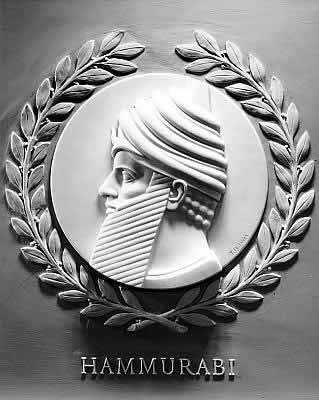
Hammurabi came to the throne of the city of Babylon in 1792 BCE and spent the next 40 years consolidating and expanding the territory held by the Babylonians. During this time Babylon emerges as the predominant city in the southern area of Mesopotamia. When Hammurabi came to the throne in Babylon, the areas we have come to know, as Babylonia and Assyria was probably controlled by two rival Kings, Rim-Sin, King of Larsa in the South and Shamshi-Adad, King of Assur in the north. There have been suggestions that initially Hammurabi came to power as a client king of the latter. In these extremely volatile times, no King could avoid being quickly drawn into regional conflicts. Records of Hammurabi’s early years mentioned a number of campaigns against his powerful neighbours, although the records are rather ambiguous about the outcome. Nevertheless these years honed his military, political and diplomatic skills. It seems that he also spent these early years consolidating his rule in Babylon and paying great attention to internal developments such as the digging of canals and the fortification of his cities. Then in just five years from 1776 to 1771 he established control over southern Mesopotamia, Elam, Larsa and formed them into the Babylonian Empire. In addition he had controlling interests in lands further afield such as in Mari, the Mediterranean coastal states and the Levant. Following these campaigns he added a new title ‘the King who made the four quarters of the Earth obedient’.
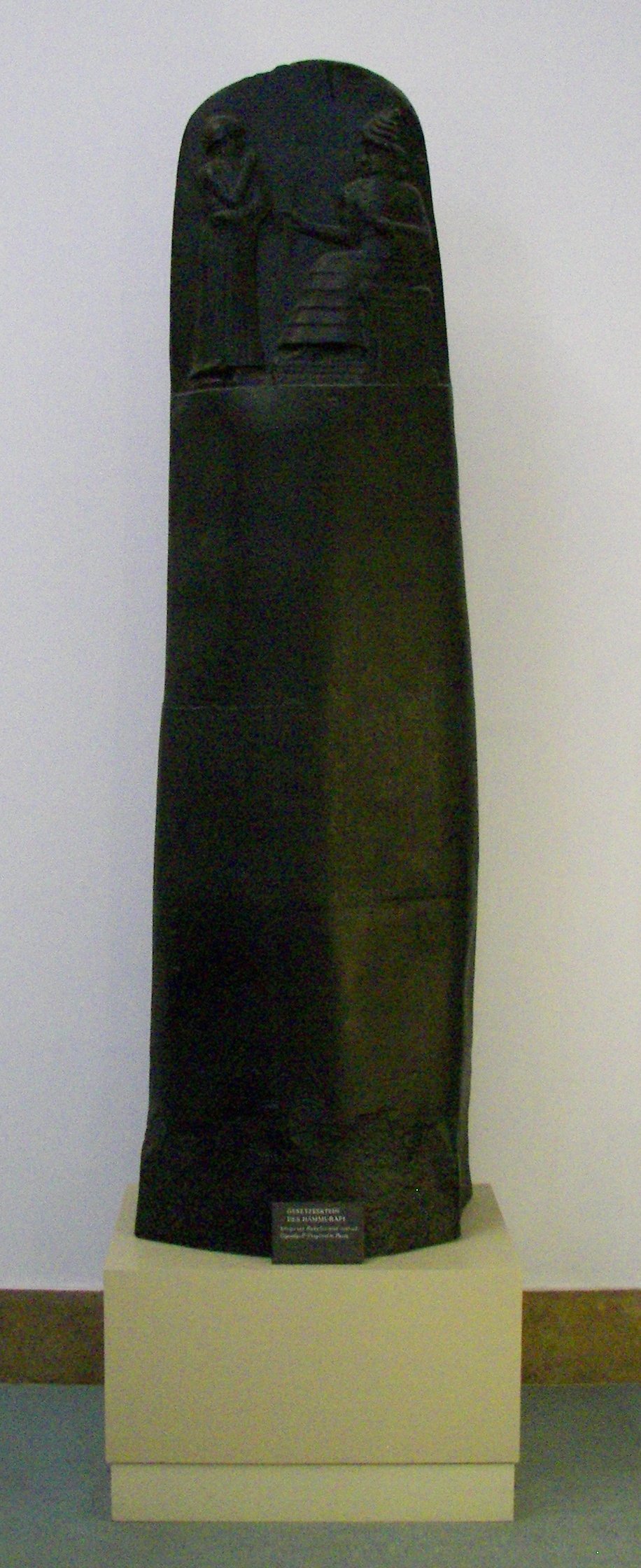
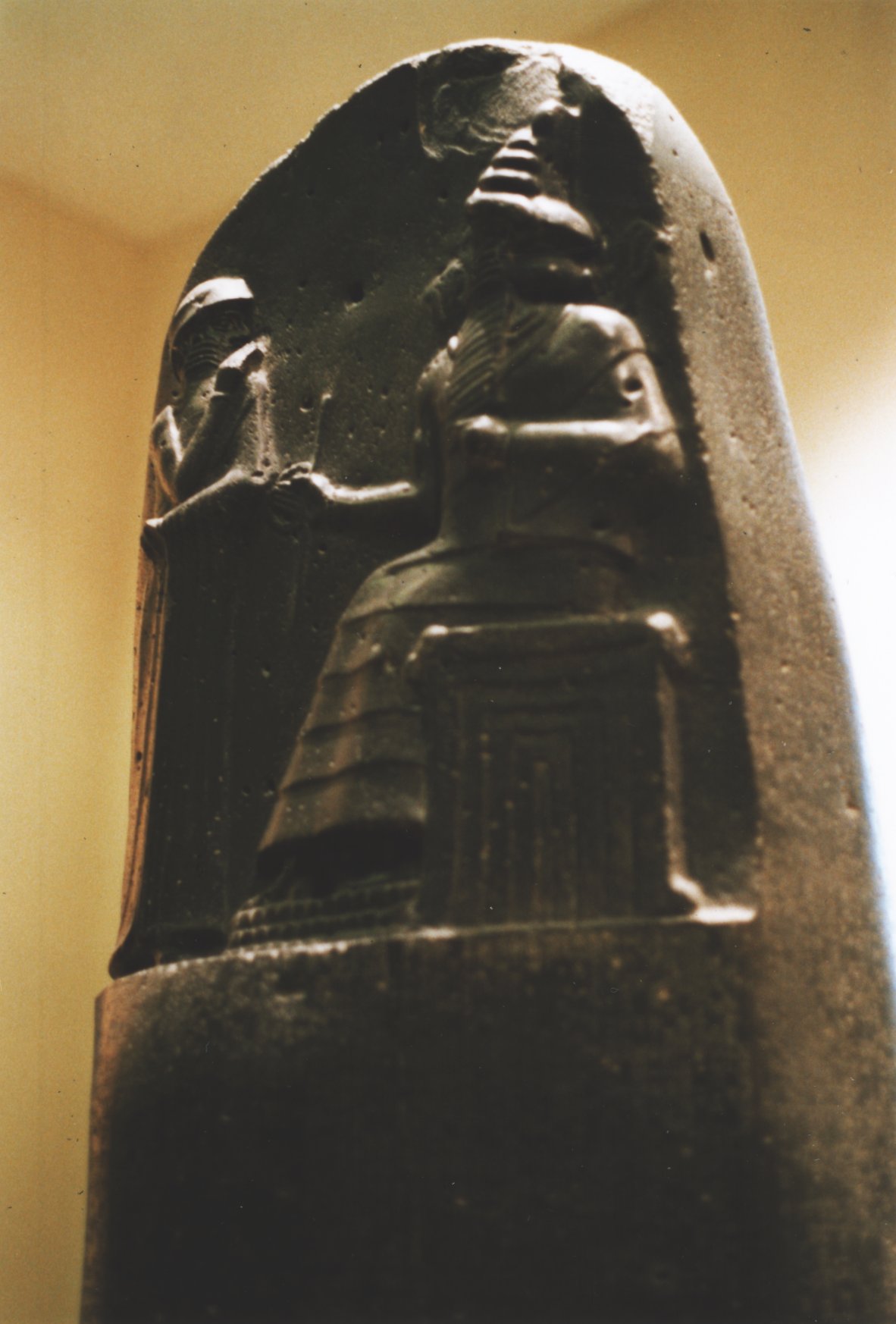
One thing we are clear about in Hammurabi’s Empire is that it is extremely well administered as attested by the documents that have been left behind. Hammurabi also enacted significant military reforms based around a standing army backed up by a reserve. Hammurabi is probably most famous for his law code, a subject which is worthy of an article in itself. The code comprised of 282 laws, based on pre-existing Sumerian law code, thought to have originated around 2000 BCE and the law code of Lipith-Ishtar, King of Isen from around 1900 BCE.