
Having been away from home for over 2 weeks, it was with some anticipation that I did the local patch walk on 6 July. So much can change from day to day, let alone over 3 weeks.
In the gardens, I first noticed some Hoverflies on a bush. They were well marked and I didn’t recognise them as species I had previously recorded so I took some photos and later identified them as Marmalade Hoverfly, actually one of the commonest species of Hoverfly in the UK.


Suddenly my attention was drawn to a large dragonfly as it flew across the grass and landed on a tree. It was a Southern Hawker (Aeshna Cyanea). Having identified it, I moved in to get a photo but took one step too near and it was gone.

Moving on through the gardens, I was delighted to find the first Common Carder Bees of the year.
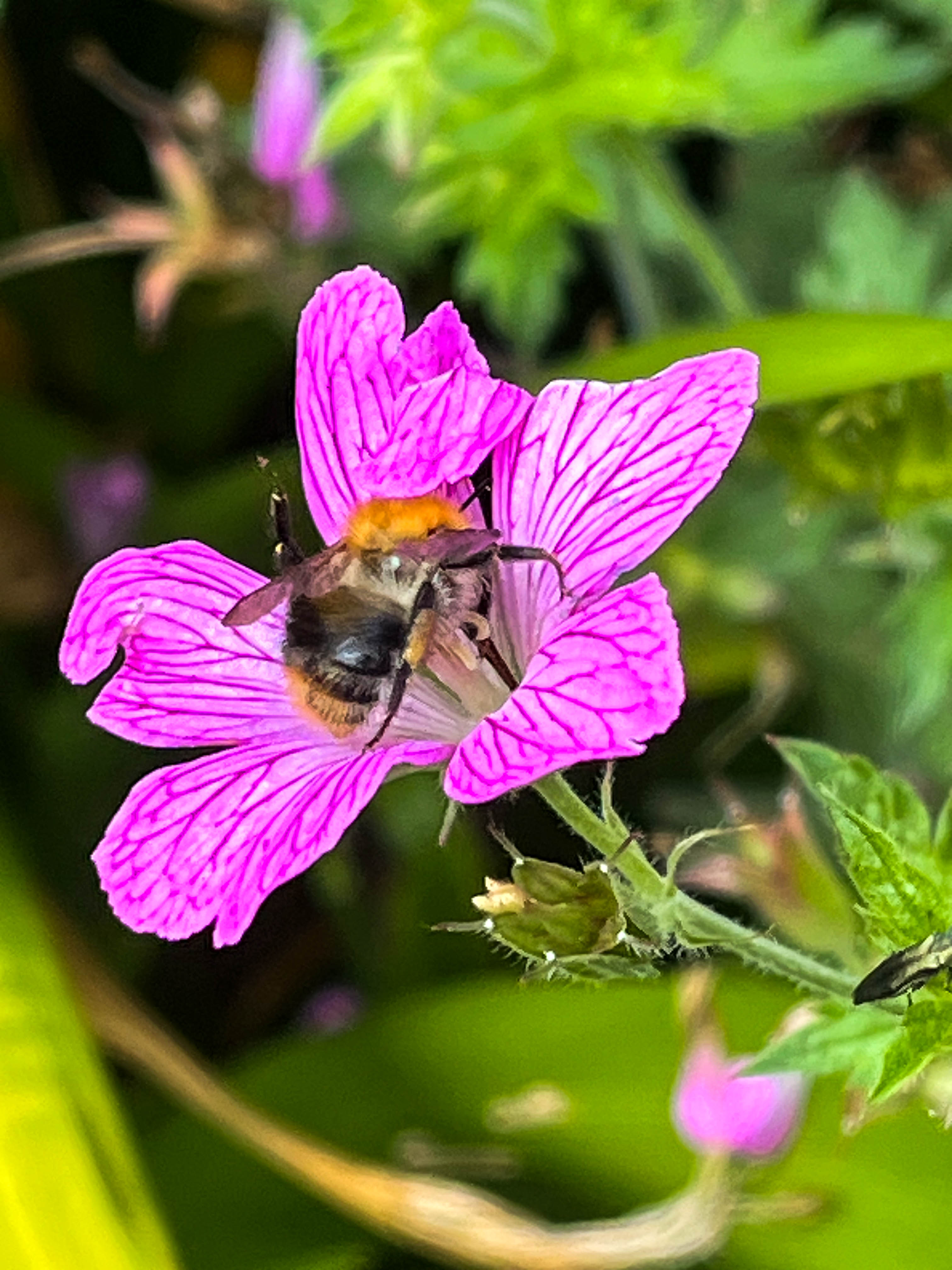
It was noticeable how much less bird song there was compared to 3 weeks ago. Butterflies were sparse with just a handful of Meadow Browns and a Small White.

Continuing my walk I came to the Tarn.
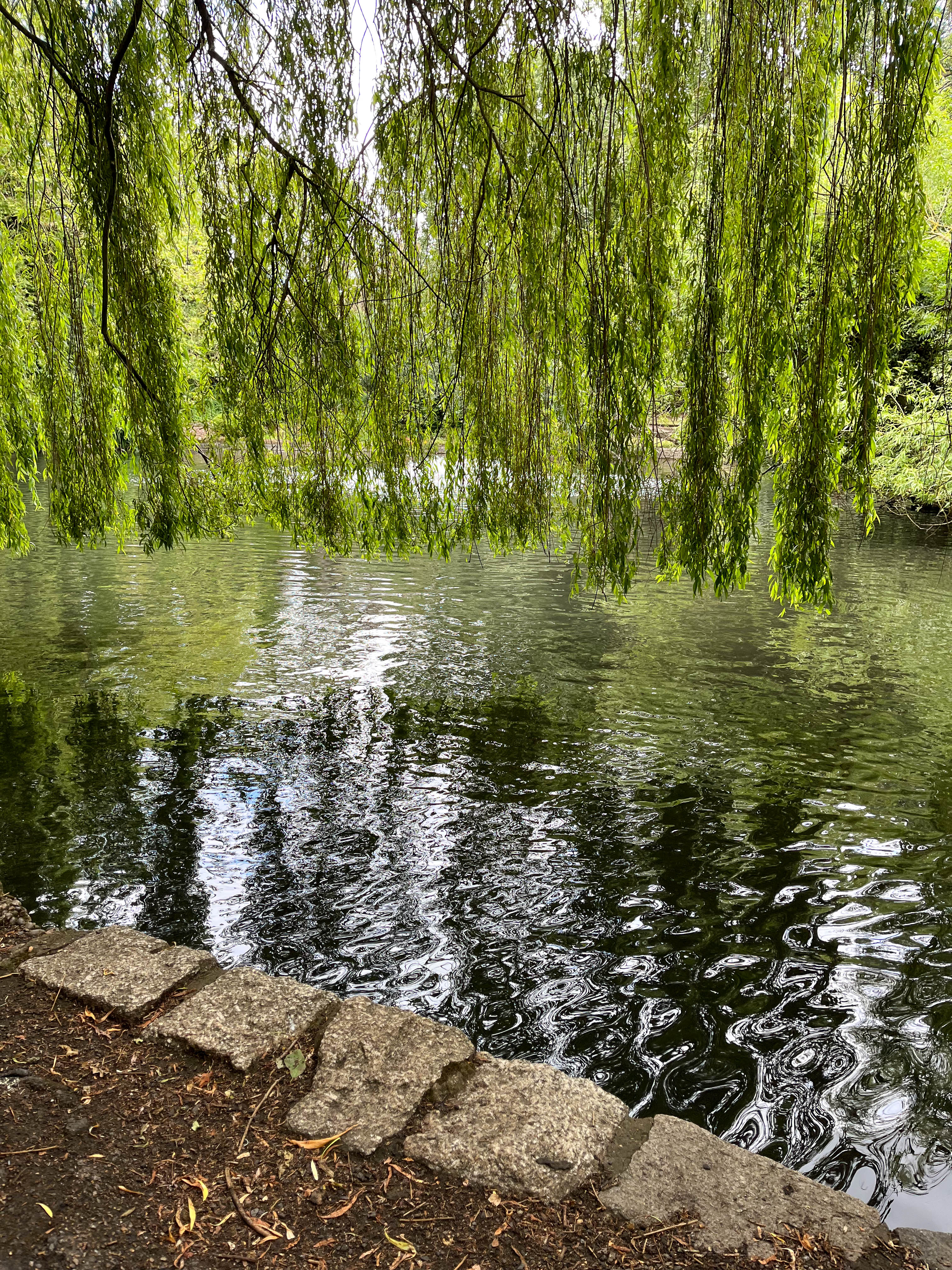
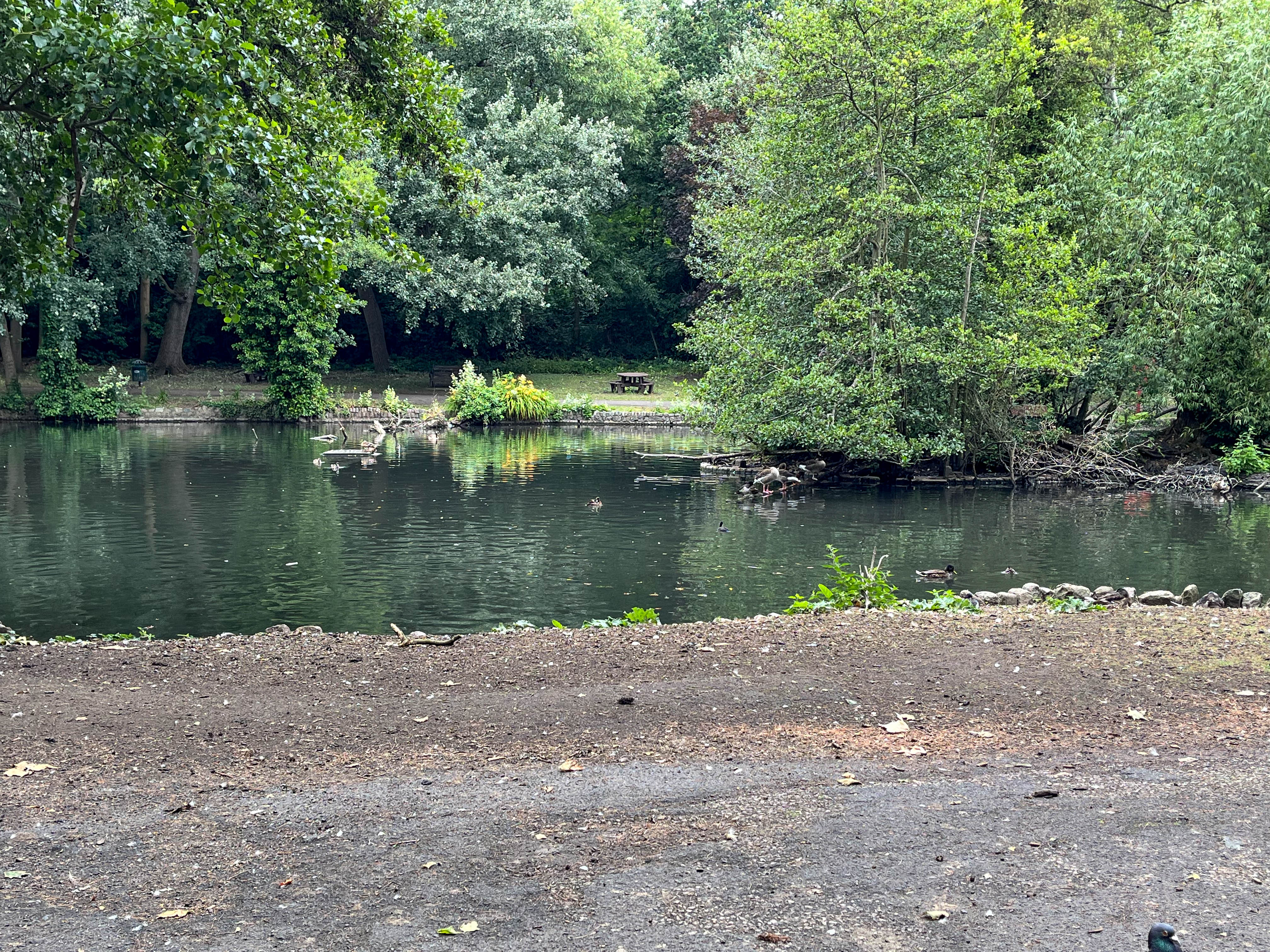
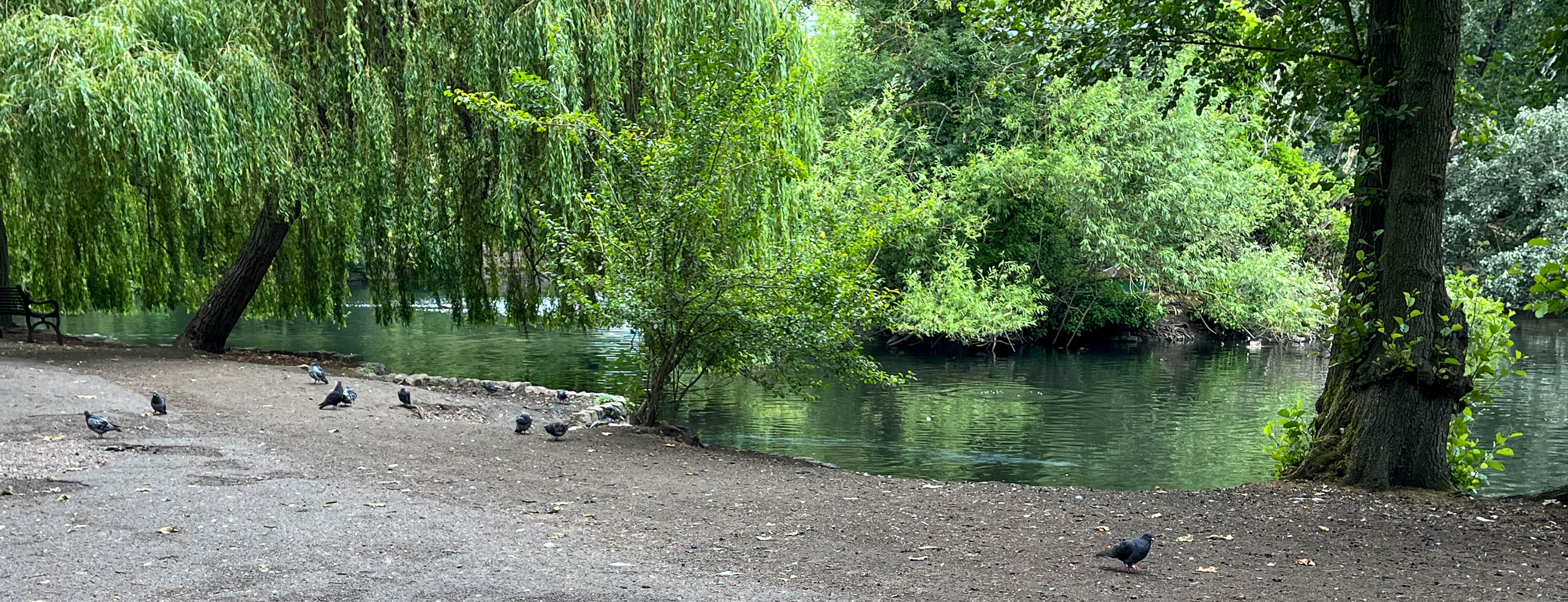
On the dragonfly pond, there were just two pairs of Azure damselflies, busily laying eggs.


I had hoped there might have been a Common Darter or an Emperor on the main lake, but there were none to be seen. As had been the case in the gardens, butterflies were hard to find with a few Meadow Browns and a Green-veined White.
The most intriguing record though was a Little Grebe. I recorded one back in April, they are common winter visitors but they don’t normally stay over the summer, so is it just one or is there another hiding in the overgrown area at the eastern end of the Tarn? If so have they bred this year? Will need to keep a lookout for young as the weeks go on.

So a lot has changed in the 3 weeks since I last walked the patch. What will the next 3 weeks bring?

 Pete's Favourite Things