
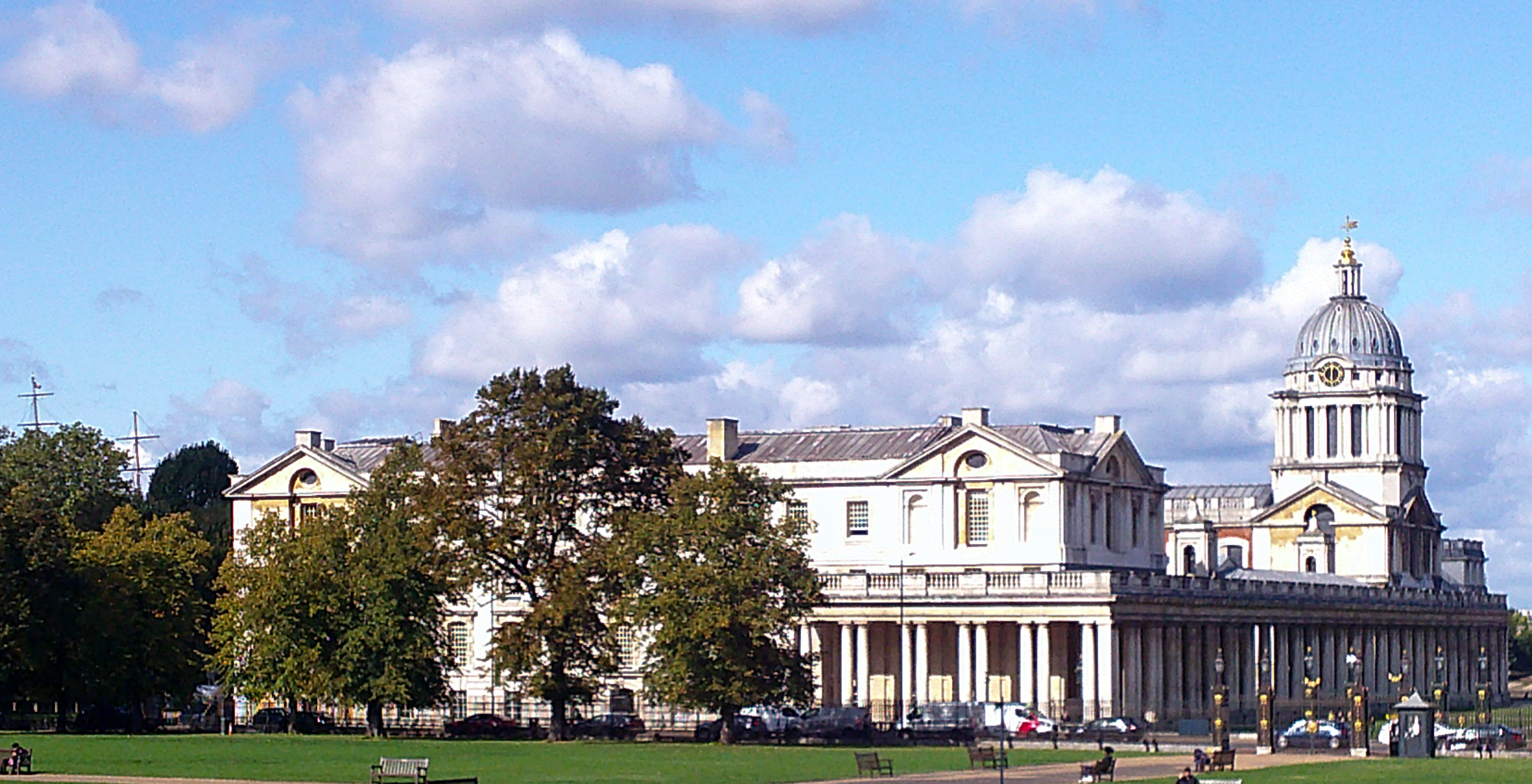
The first reference to a house on this site was when Humphrey Duke of Gloucester built a manor house in his hunting park at Greenwich around 1437-9. It was designed as a Pleasuance, a pleasure ground. By 1500 it had come into the hands of the royal family and King Henry VII decided to build a new house on the site. His son, Henry VIII expanded the palace building stables including a stud and an armoury mill. There was a tiltyard in the grounds with permanent grandstands for the visitors to enjoy the spectacle. In 1512, following a fire at the Palace of Westminster, Henry made Greenwich his main residence for the next 20 years until the new Whitehall Palace had been built.
Greenwich Palace’s next major occupation was during the reign of James I, when the palace was refurbished and became the home of his wife, Anne of Denmark and during this time many alterations and additions were made to the palace. Eventually, it passed to Charles, Prince of Wales. The Queen’s house was commissioned by Queen Anne but it was her successor Henrietta Maria, wife of Charles I, who really championed its building.
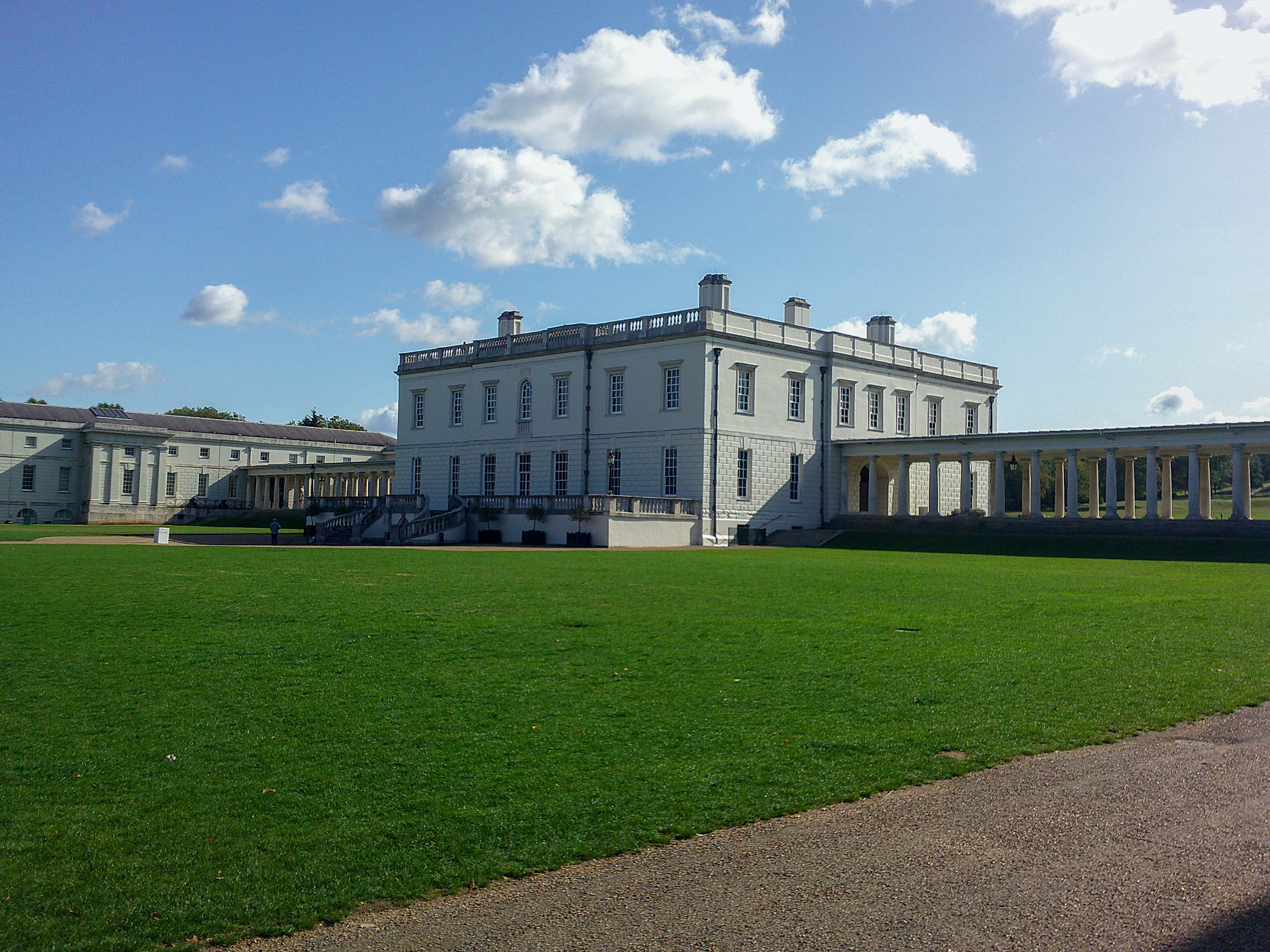
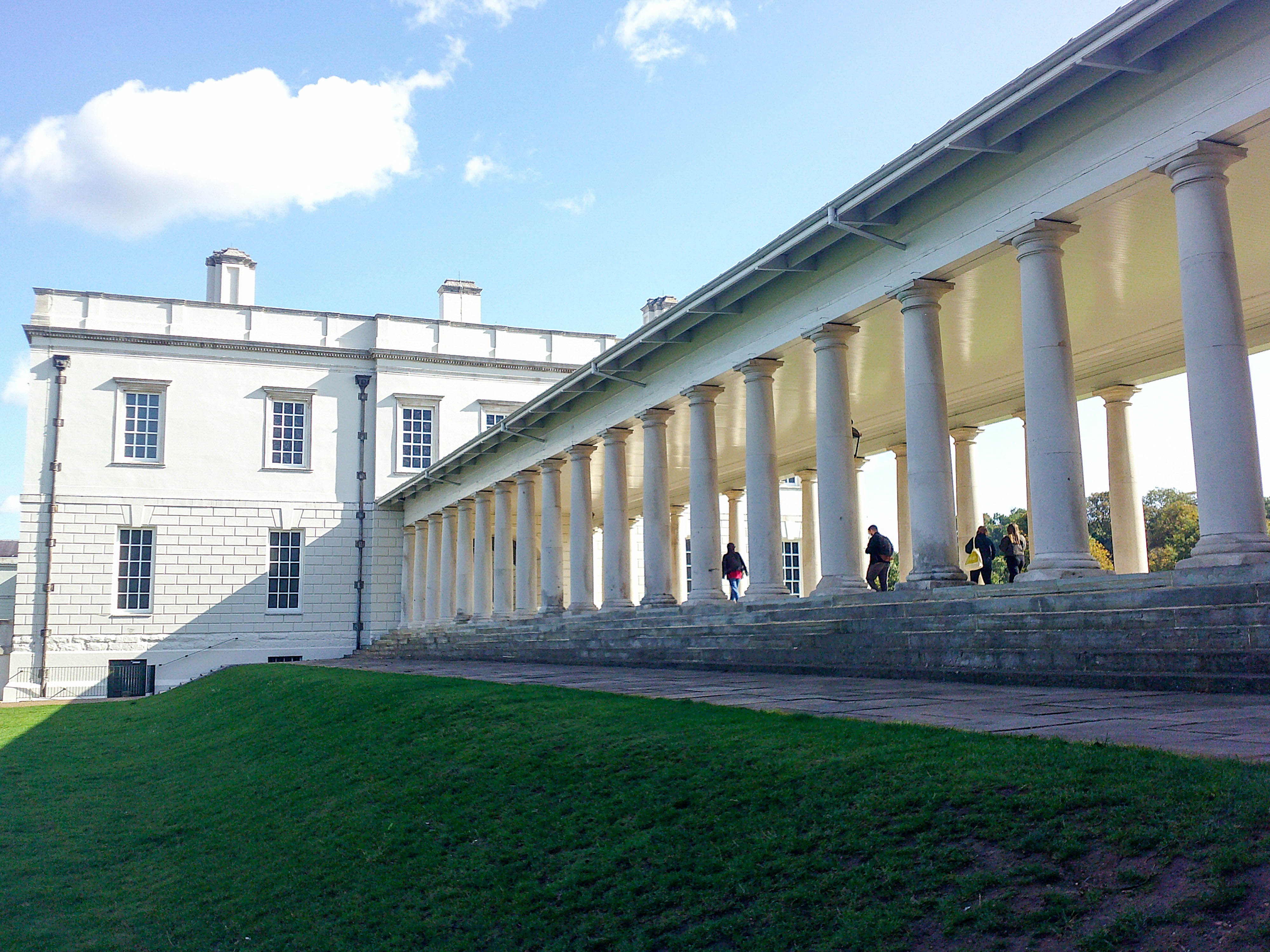
The Queen’s house is the only part of the original Tudor / Stuart palace that survived the Commonwealth period. King Charles II had grand plans to rebuild it but faced with financial problems he decided to concentrate on rebuilding Windsor Castle.
In 1690 Queen Mary gave part of the site for the building of a Seaman’s hospital. One stipulation was that the view of the river from Queens House was not to be obstructed and so there was a division in the hospital buildings that enabled the river could still be seen.
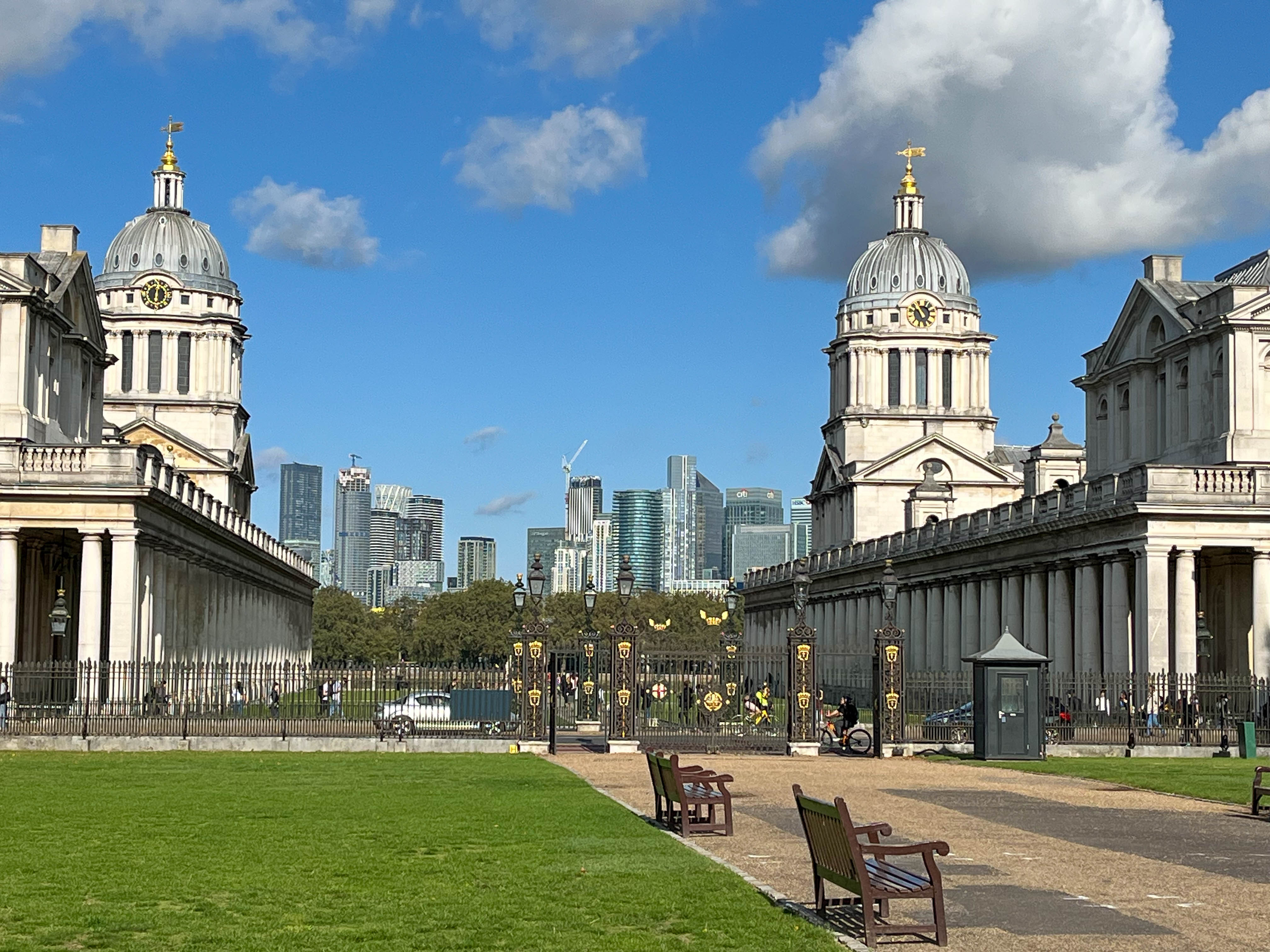
The northern part of the site, including the Queen’s House was given to the founding of the Royal Hospital School, an organisation providing education for the orphans of seafarers. It opened in 1712 and remained on the site until 1933 when it relocated to Holbrook in Suffolk.
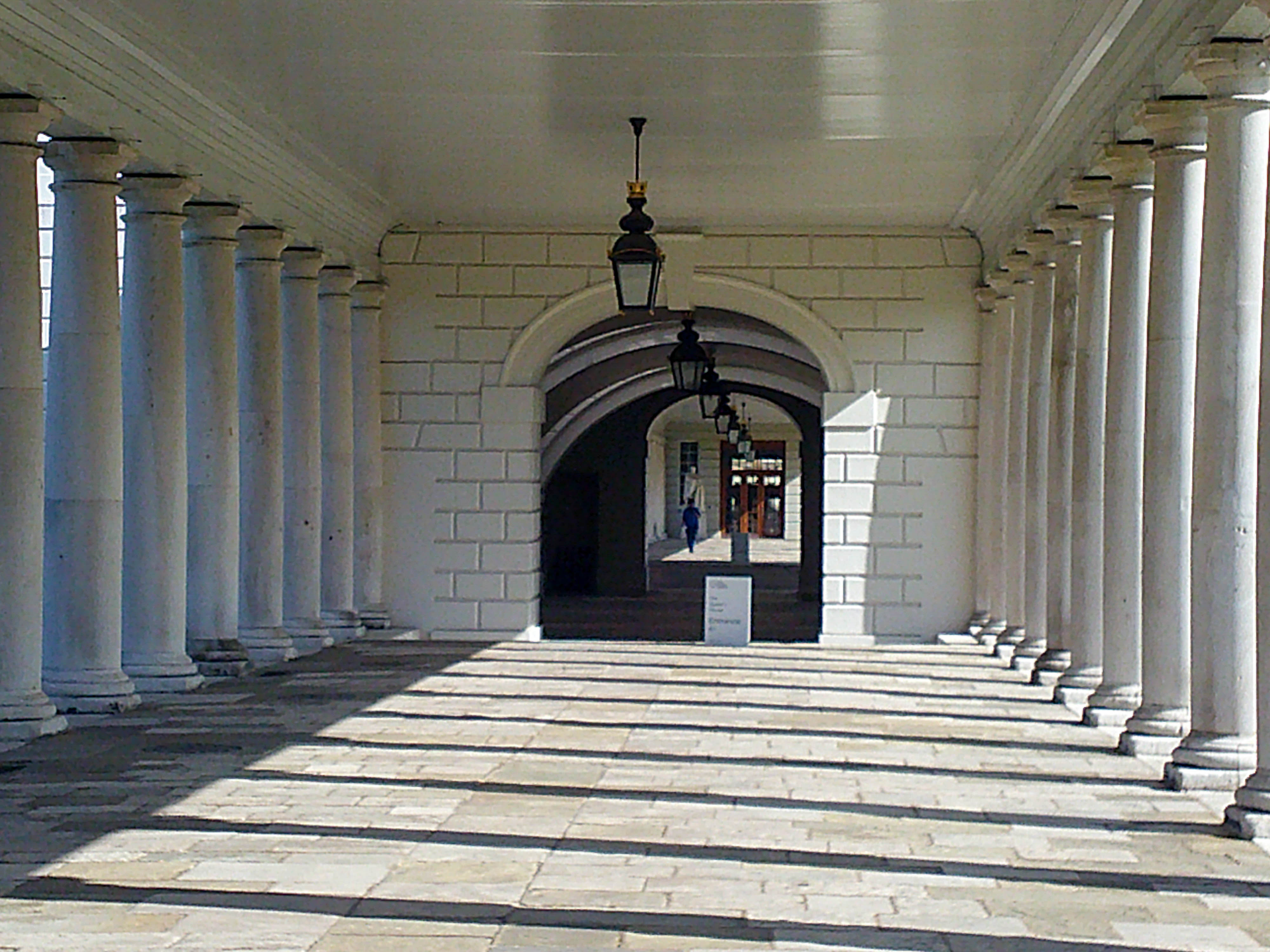
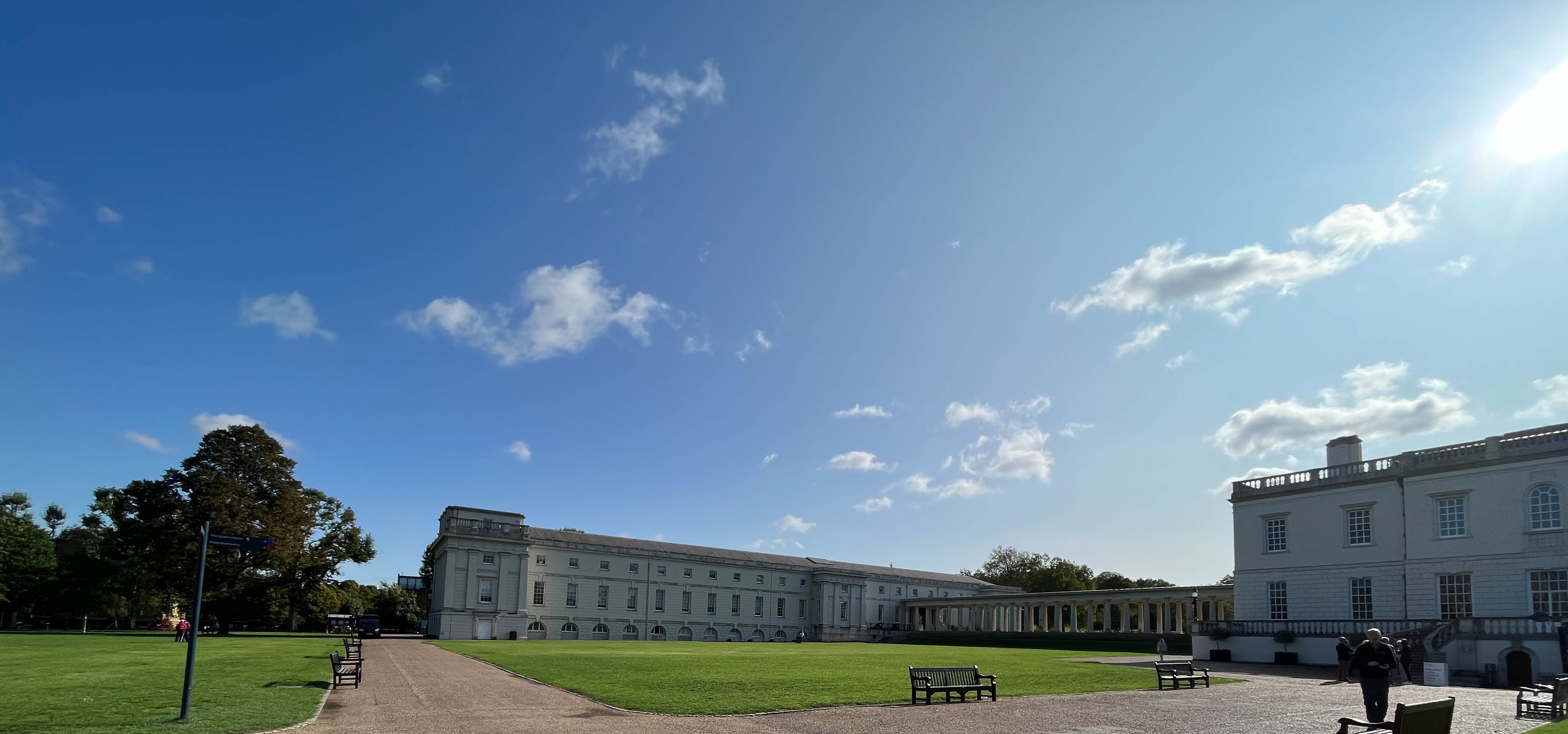
In the late 1800s, the hospital was converted into The Royal Naval College and remained so until 1998. In 2001, the college site was taken over by the University of Greenwich.
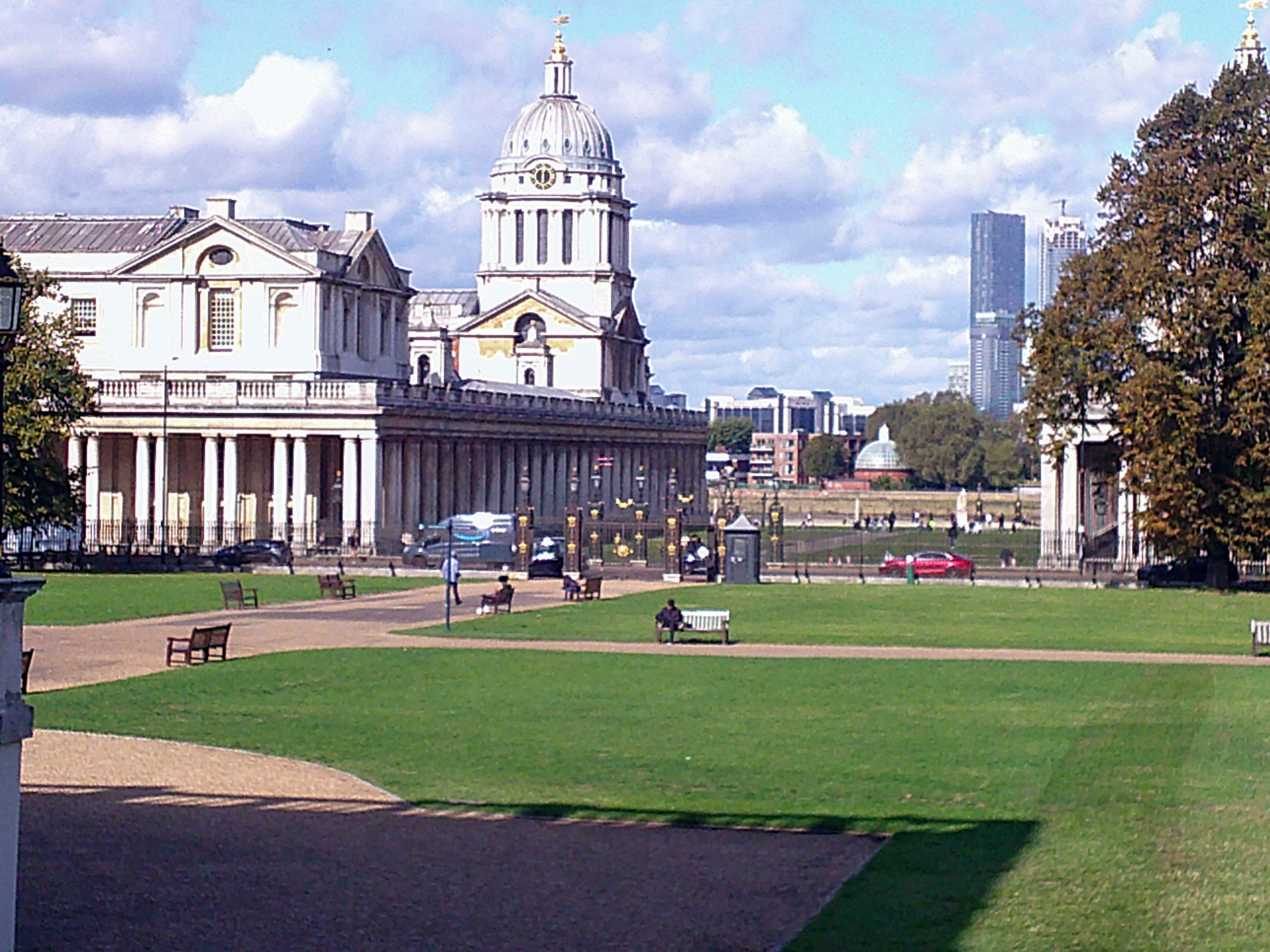
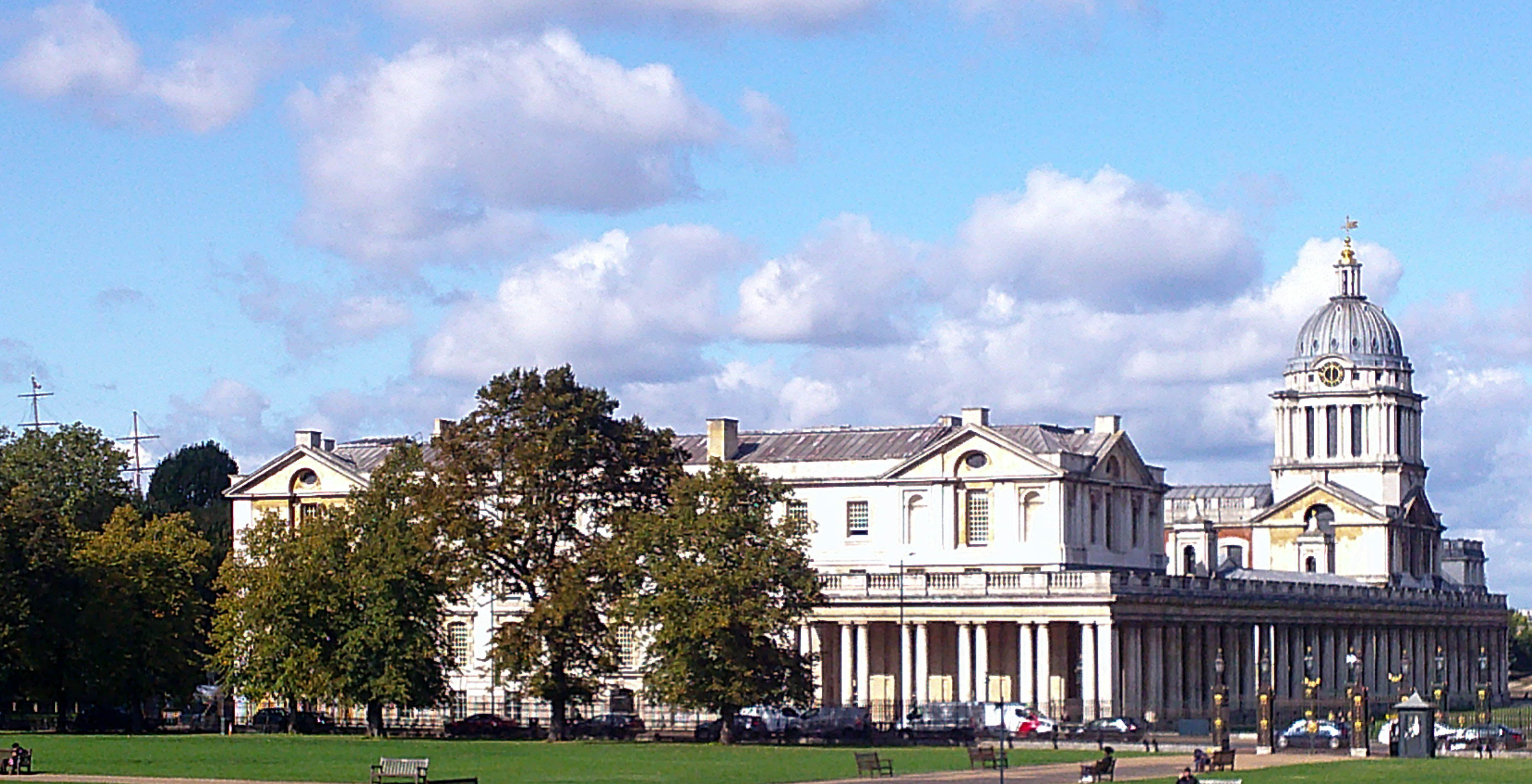
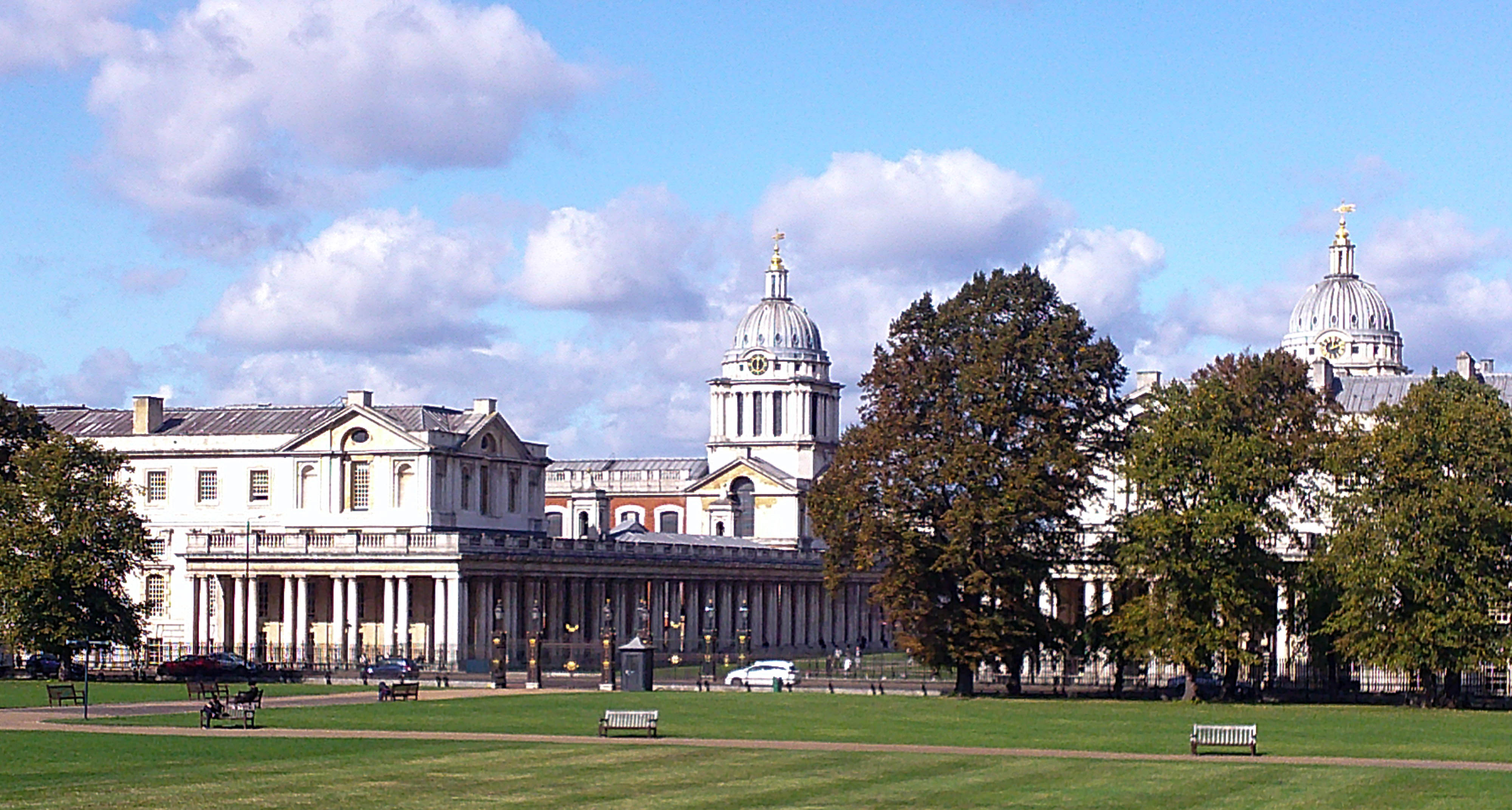
In 1933 when the school left Greenwich a plan was laid to use the school buildings to house a museum of nautical history. Sir James Caird, purchased a collection of 11000 maritime prints, ship models and other artefacts, which he donated to start the museum’s collection. The Museum opened 27 April 1937 as The National Maritime Museum.


