

A trip to Thursley NNR in Surrey today with the RSPB group. Thursley has some very good birds including Hobby, Woodlark and Dartford Warbler but it is also the countries best dragonfly site with a list of 26 species (although at least one of these no longer occurs there).
Arriving at the reserve I make a path straight to Moat Pond, a large lake on the site of the heath
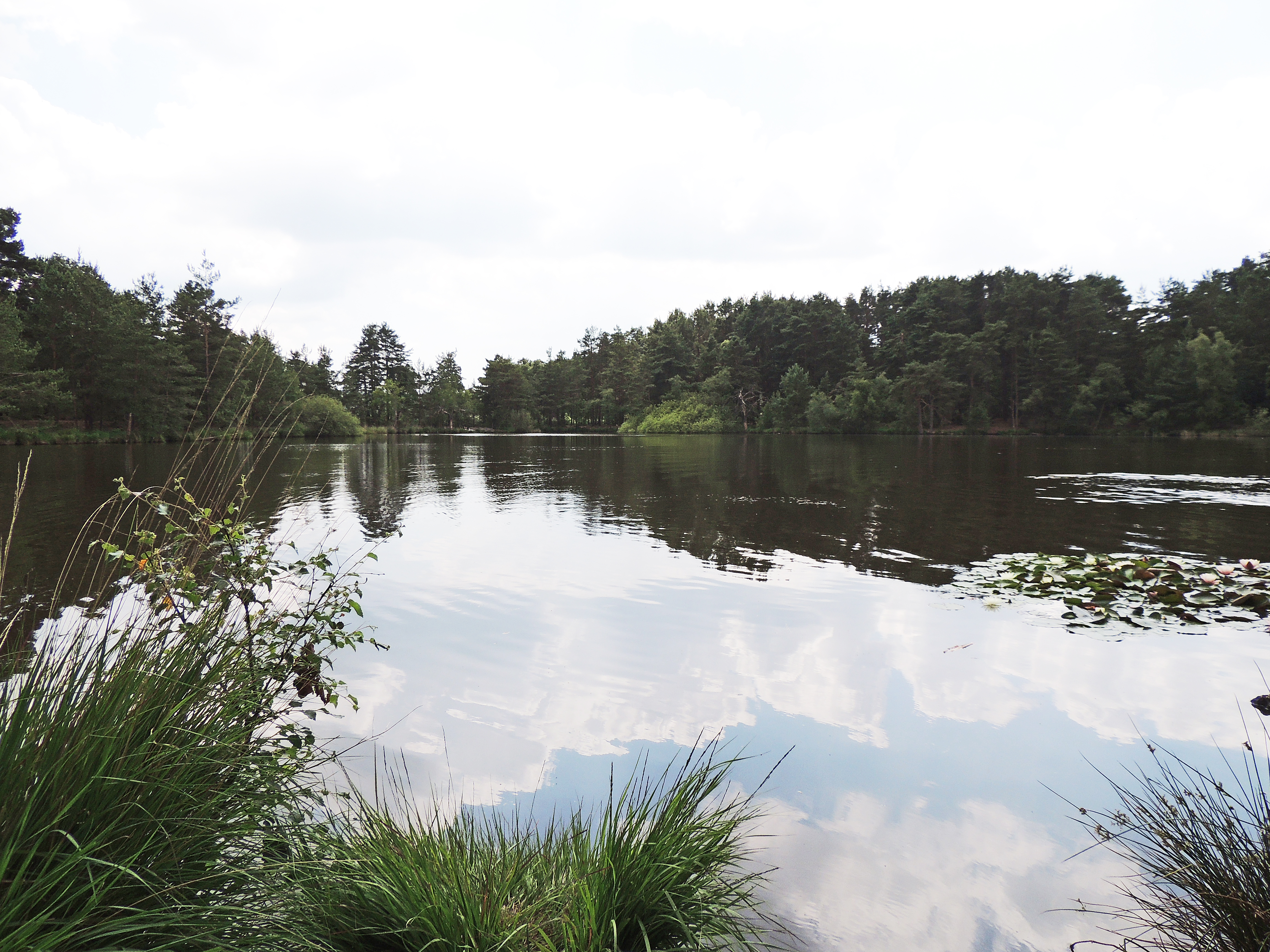
There are Azure and Red-eyed Damselflies and two Downy Emeralds, one of the specialties of the site. These small hawkers are always in motion and rarely seem to stop or land, making it difficult, or in this case impossible, to get any photos. Knew I should have bought the video camera!

Downy Emerald
photo by Sergey Yeliseev (https://www.flickr.com/photos/yeliseev/)
Then its out onto the heath. Thursley is one of the largest area of lowland heath in England and so is a unique site for this still disppearing habitat with its specialist species.
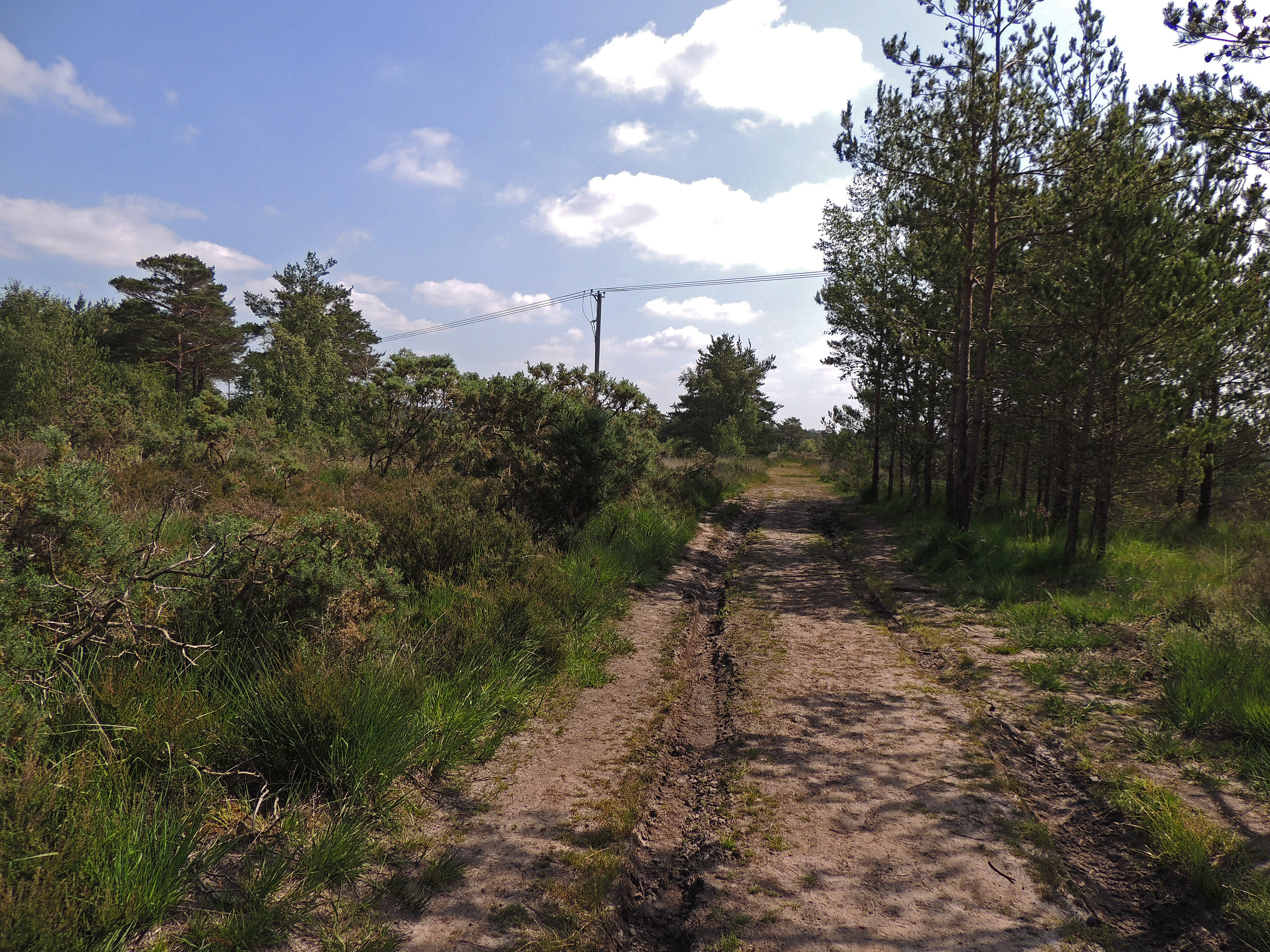
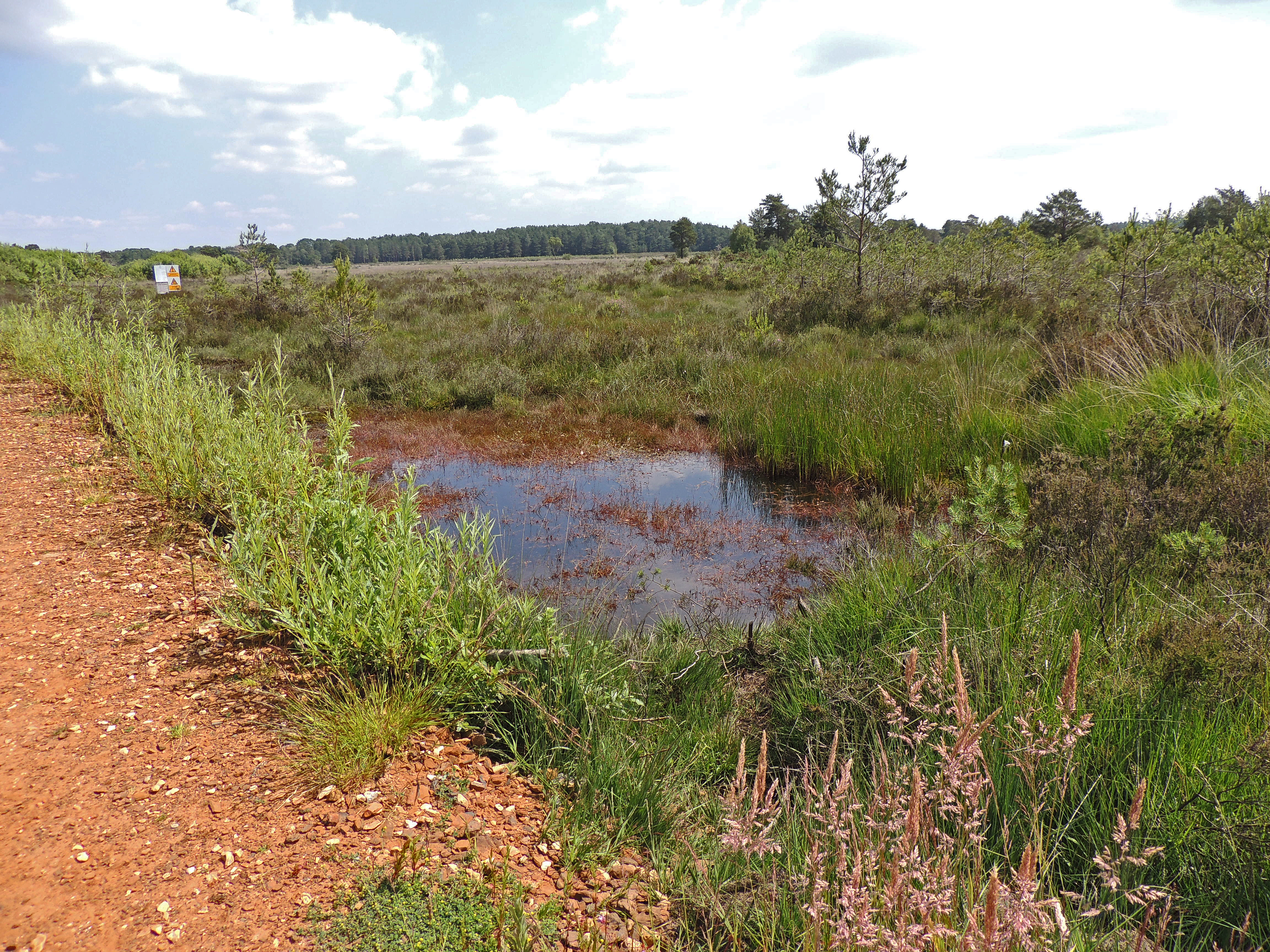
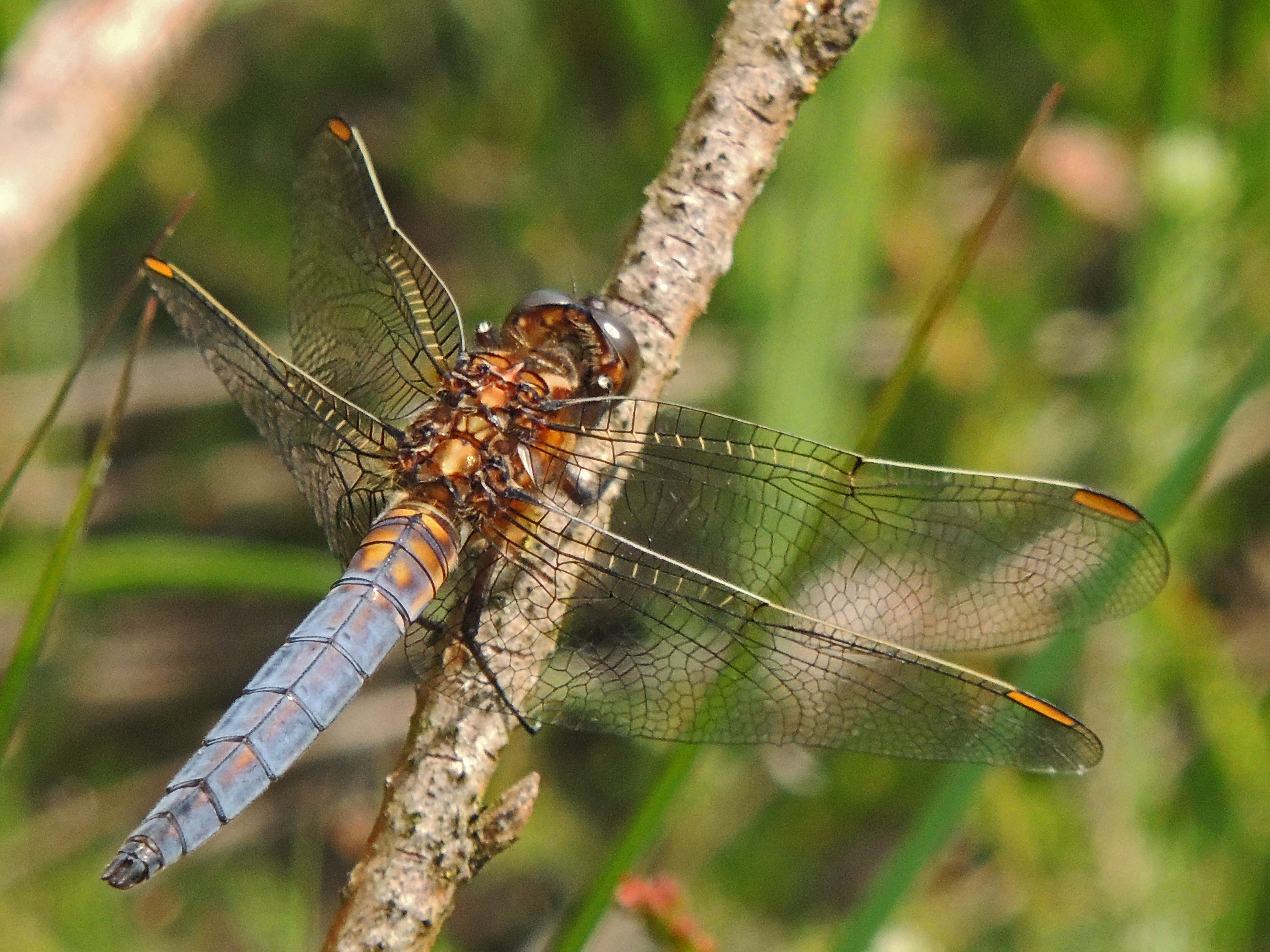
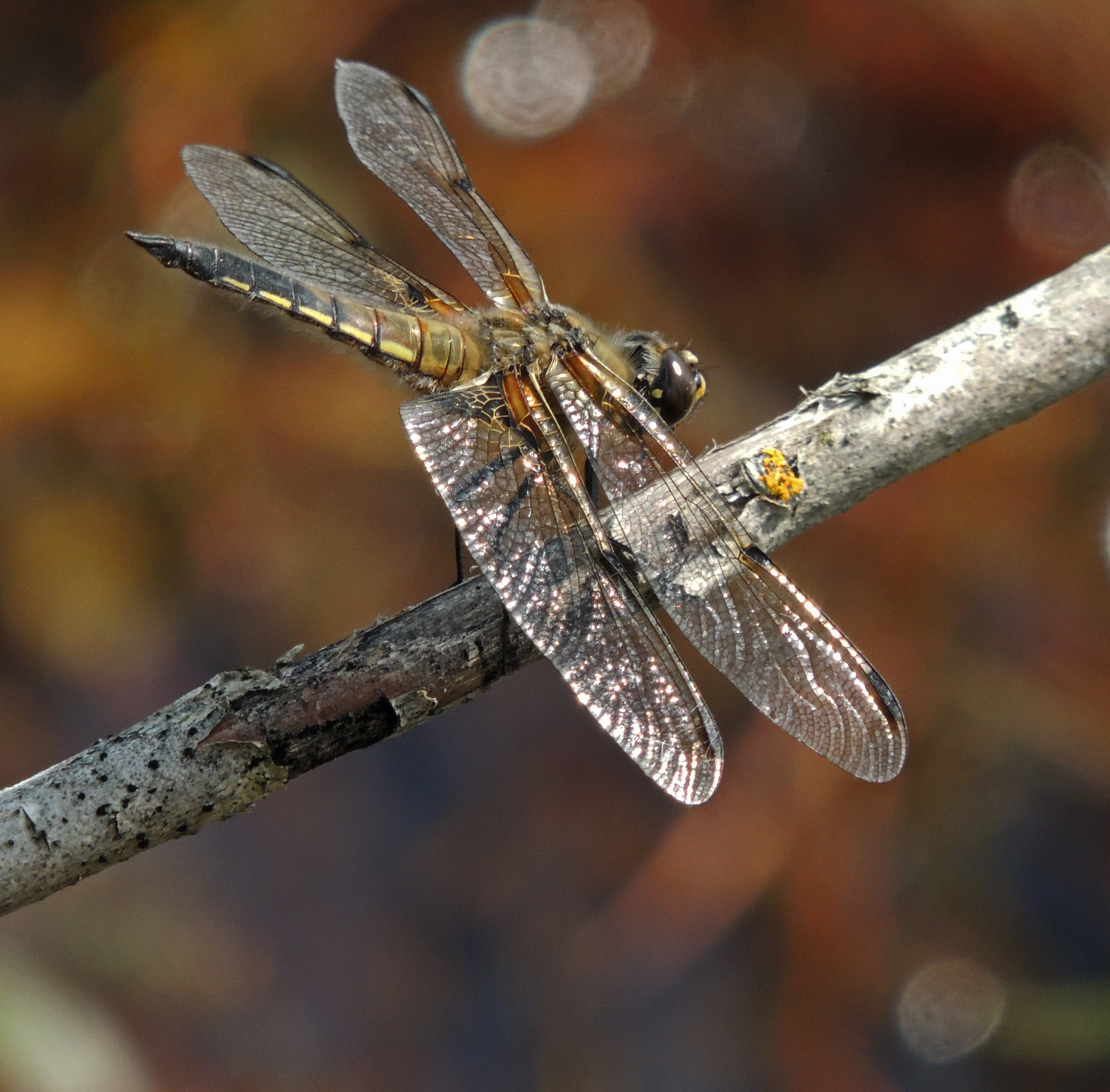
There are plenty of dragonflies to see. The small pools are patrolled by 4-Spotted Chasers and Keeled Skimmers along with a few Black-tailed Skimmers and a couple of Emperor Dragonflies. Common Blue and Large Red Damselflies are also present together with Beautiful and Banded Demoiselle . I also managed to find a Small Red Damselfly, which was pleasing especially as I got to photograph it.



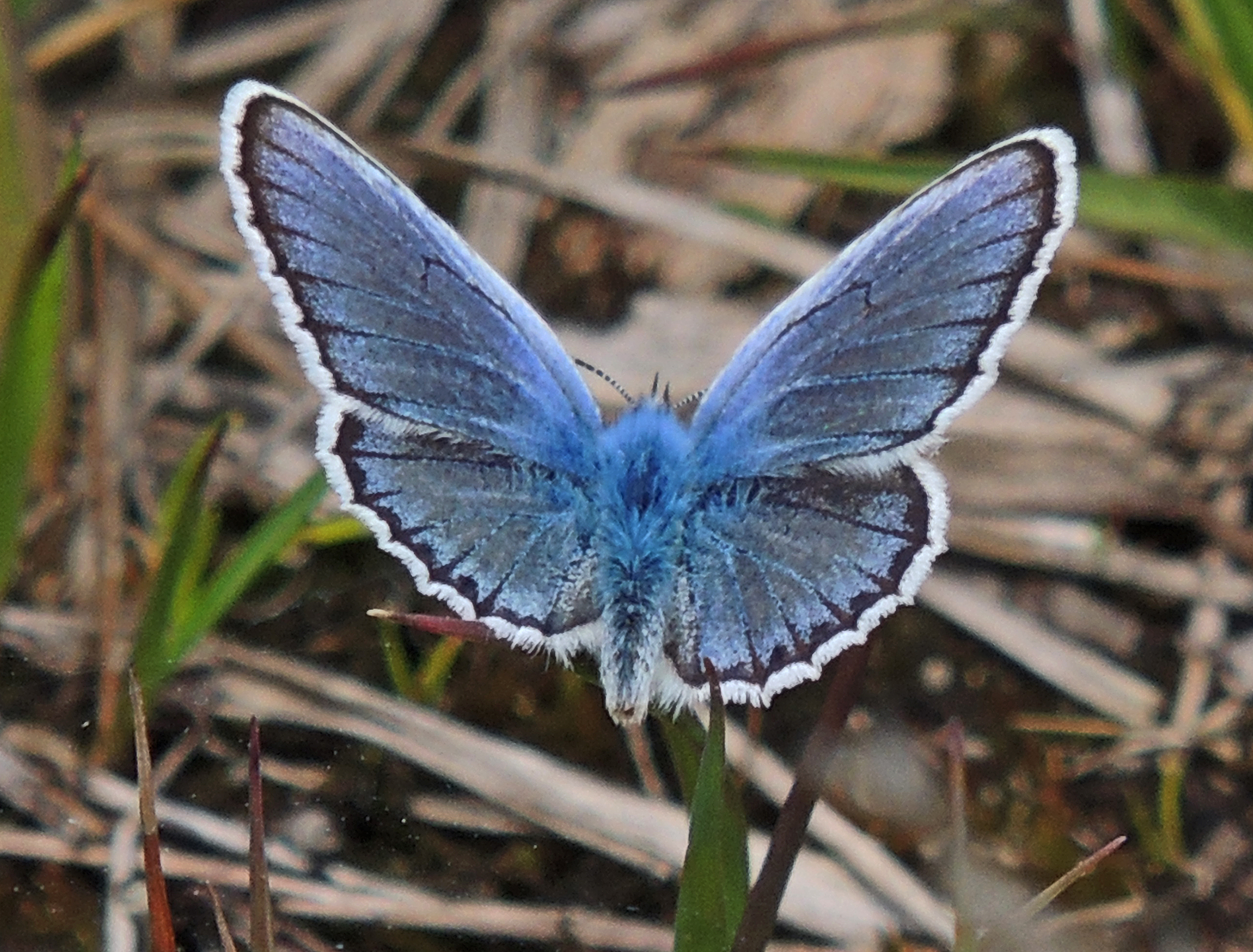
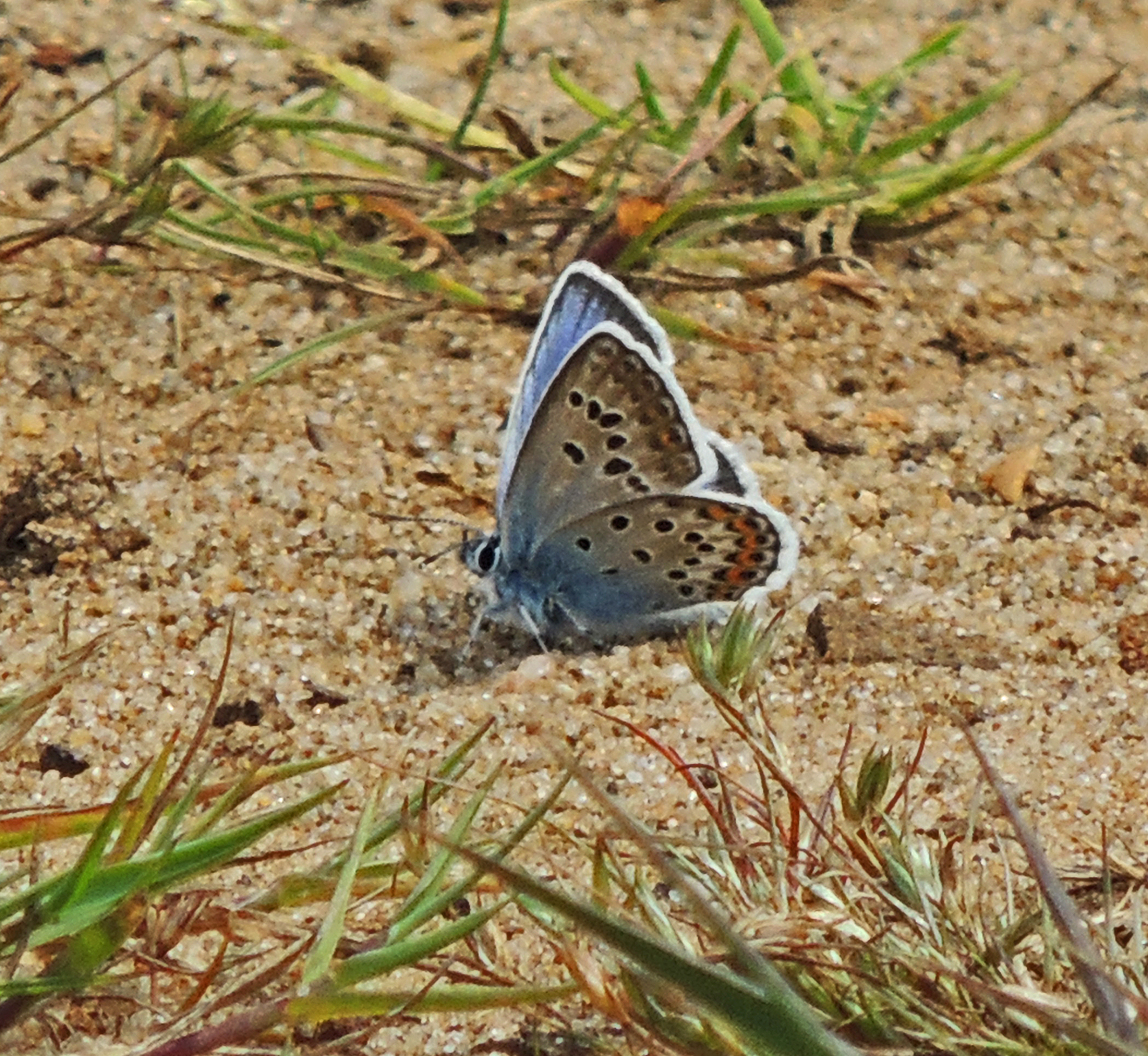
An added bonus was Silver Studded Blue Butterfly, another specialty species of lowland heath.
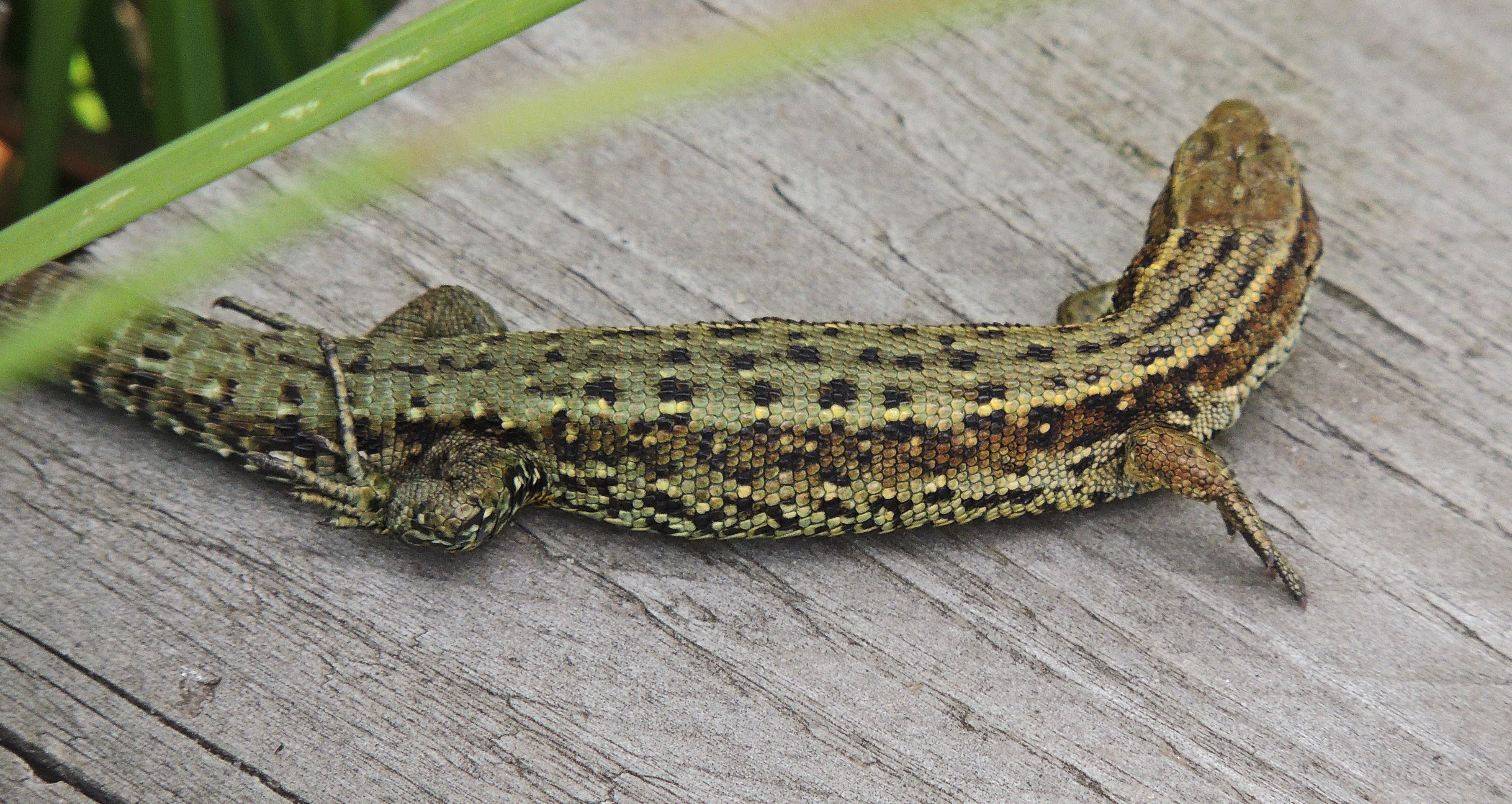
As a final added bonus found a Common Lizard basking on the boardwalk
Not a large bird list, but 13 species of dragonfly and some good pictures plus Silver Studded Blue. A really good day.
Mallard [sp] (Anas platyrhynchos)
Eurasian Teal [sp] (Anas crecca)
Tufted Duck (Aythya fuligula)
Red Kite [sp] (Milvus milvus)
Common Kestrel [sp] (Falco tinnunculus)
Eurasian Curlew [sp] (Numenius arquata)
Black-headed Gull (Chroicocephalus ridibundus)
Lesser Black-backed Gull [sp] (Larus fuscus)
Common Pigeon [sp] (Columba livia)
Common Wood Pigeon [sp] (Columba palumbus)
Rose-ringed Parakeet [sp] (Psittacula krameri)
Common Cuckoo [sp] (Cuculus canorus)
European Green Woodpecker [sp] (Picus viridis)
Eurasian Jay [sp] (Garrulus glandarius)
Eurasian Magpie [sp] (Pica pica)
Carrion Crow [sp] (Corvus corone)
Great Tit [sp] (Parus major)
Eurasian Blue Tit [sp] (Cyanistes caeruleus)
Woodlark [sp] (Lullula arborea)
Eurasian Skylark [sp] (Alauda arvensis)
Willow Warbler [sp] (Phylloscopus trochilus)
Common Chiffchaff [sp] (Phylloscopus collybita)
Common Starling [sp] (Sturnus vulgaris)
Common Blackbird [sp] (Turdus merula)
Mistle Thrush [sp] (Turdus viscivorus)
European Robin [sp] (Erithacus rubecula)
European Stonechat [sp] (Saxicola rubicola)
Tree Pipit [sp] (Anthus trivialis)
Common Chaffinch [sp] (Fringilla coelebs)
Common Reed Bunting [sp] (Emberiza schoeniclus)
Small White (Artogeia rapae)
Brimstone (Gonepteryx rhamni)
Silver-studded Blue [sp] (Plebejus argus)
Small Tortoiseshell [sp] (Aglais urticae)
Small Heath (Coenonympha pamphilus)
Large Skipper [sp] (Ochlodes venatus)
Banded Demoiselle (Calopteryx splendens)
Beautiful Demoiselle (Calopteryx virgo)
Blue-tailed Damselfly (Ischnura elegans)
Common Blue Damselfly (Enallagma cyathigerum)
Azure Damselfly (Coenagrion puella)
Red-eyed Damselfly (Erythromma najas)
Large Red Damselfly (Pyrrhosoma nymphula)
Small Red Damselfly (Ceriagrion tenellum)
Emperor Dragonfly (Anax imperator)
Downy Emerald (Cordulia aenea)
Four-spotted Chaser (Libellula quadrimaculata)
Black-tailed Skimmer (Orthetrum cancellatum)
Keeled Skimmer (Orthetrum coerulescens)

 Pete's Favourite Things