

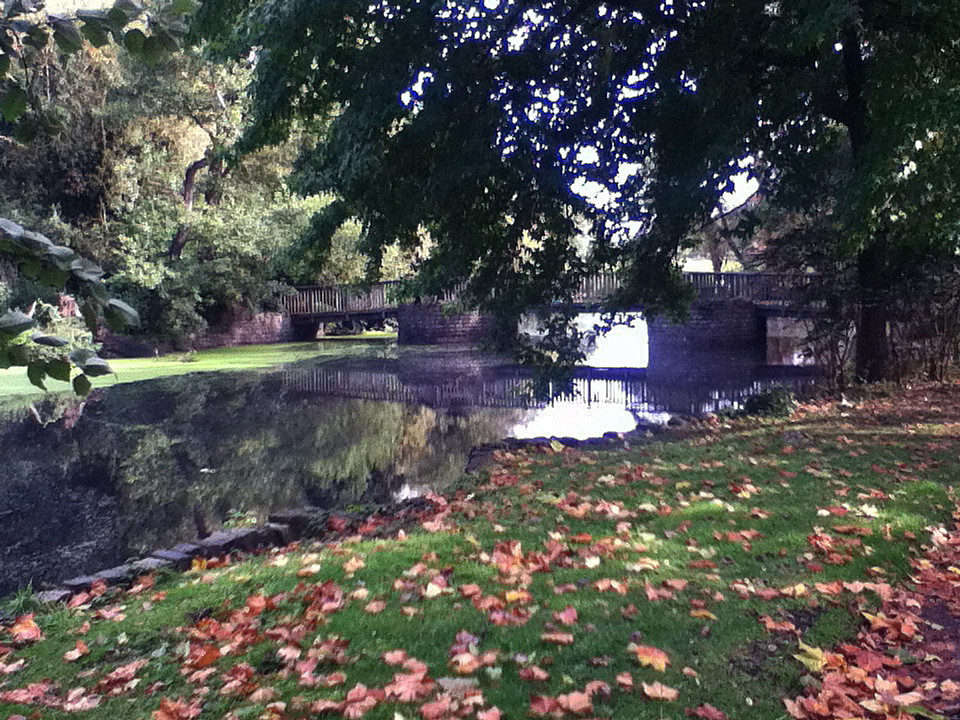
A walk around the patch today revealed that there was not much change with the algal bloom on the Tarn although the flow from the river inlet and the action of the water pump are concentrating the bloom in the middle of the lark so at least some water can aerate.
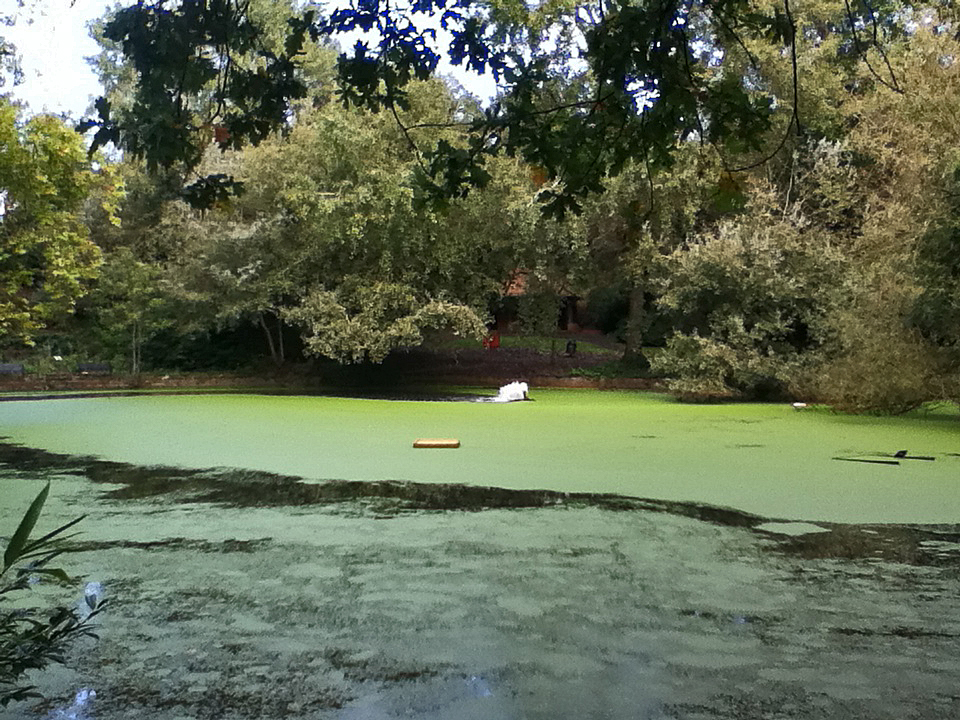
Despite this it was good to see that the Little Grebe was still present. It has been on the Tarn now since mid-August which I think is probably the longest staying individual that I have recorded here.

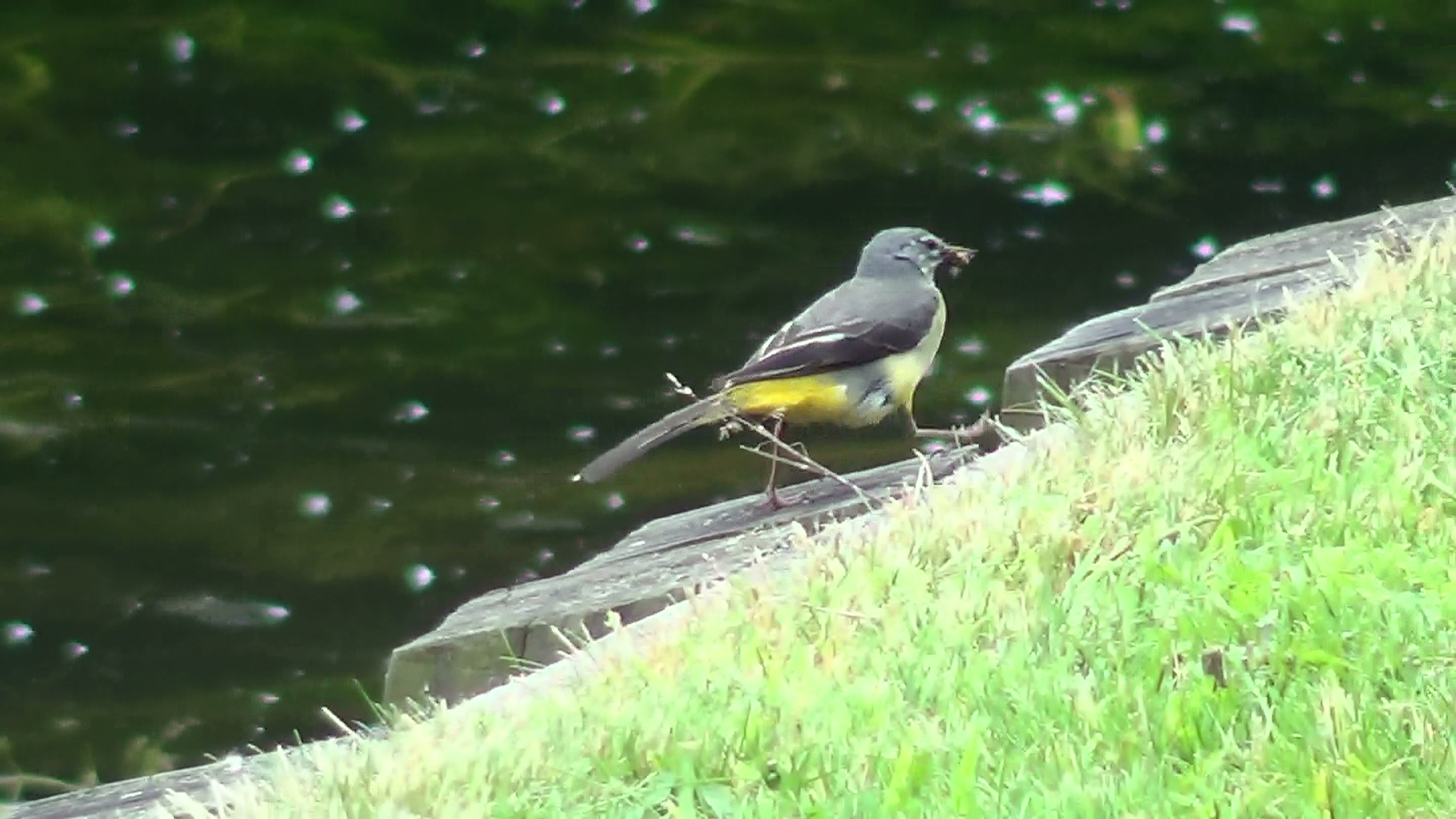
Down at the eastern end by the river inlet a Grey Wagtail was actively feeding on the edge. This is the second record for the patch this autumn of this regular migrant species.
Otherwise there were a few Mallard, Coot and Moorhens, but no geese, thess seeming to have been particularly hard hit by the avian botulism outbreak which occurred as a consequence of the algal bloom. A sparrowhawk put in a brief appearance before flying off over the golf course.
Mallard [sp] (Anas platyrhynchos)
Little Grebe [sp] (Tachybaptus ruficollis)
Eurasian Sparrowhawk [sp] (Accipiter nisus)
Common Moorhen [sp] (Gallinula chloropus)
Eurasian Coot [sp] (Fulica atra)
Common Pigeon [sp] (Columba livia)
Common Wood Pigeon [sp] (Columba palumbus)
Rose-ringed Parakeet [sp] (Psittacula krameri)
Eurasian Magpie [sp] (Pica pica)
Western Jackdaw [sp] (Coloeus monedula)
Carrion Crow [sp] (Corvus corone)
Eurasian Blue Tit [sp] (Cyanistes caeruleus)
Common Blackbird [sp] (Turdus merula)
Grey Wagtail [sp] (Motacilla cinerea)
Common Chaffinch [sp] (Fringilla coelebs)


